
 The Standard Group Plc is a multi-media organization with investments in media
platforms spanning newspaper print
operations, television, radio broadcasting, digital and online services. The
Standard Group is recognized as a
leading multi-media house in Kenya with a key influence in matters of national
and international interest.
The Standard Group Plc is a multi-media organization with investments in media
platforms spanning newspaper print
operations, television, radio broadcasting, digital and online services. The
Standard Group is recognized as a
leading multi-media house in Kenya with a key influence in matters of national
and international interest.

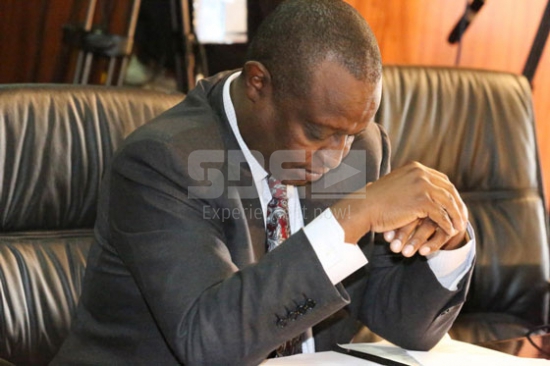
It is official. The Government of Kenya is facing a cash crunch as National Treasury Cabinet Secretary Henry Rotich admitted that depressed revenue collections, weak shilling and constitutionally enlarged government that includes the counties, were major reasons.
The government, however, is not facing a cash crisis, but cash flow problems. This happens to any organisation that struggles to pay debts that fall due. In this case, Kenya is no different. Several factors have contributed to the dire situation. The shilling has continued to lose ground against the major currencies and East African Communities currencies.
For almost three months, the weakened shilling has been dancing poorly against the US dollar and thus the urgent need for corrective measures to strengthen it.
But where did the rain start beating us? Well, this problem has been attributed to the introduction of county governments, high debt payments, low revenue collection and expensive interest rates. The Parliamentary Budget Office (PBO) is on record saying that Treasury has no money. Why? The picture gets blurred as we realise that Sh132.6 billion was used as debt payment in the third quarter leading to September. This is more than the Sh117 billion recurrent spending and nearly six times the Sh24.5 billion spent on projects in that quarter.
Fundamentally, project spending is critical in creating infrastructure and putting money in private hands through demand for raw materials that ultimately create new jobs. But this cannot be easily realised if we go by Kenya Revenue Authority’s (KRA) collection of just Sh181.2 billion in the first two months of the financial year, a figure below budget, as domestic borrowing shrinks due to high interest rates. This, coupled with the shilling’s depreciation to worrying levels against the dollar, weighs heavily on the State’s plans for meeting the revenue target.
Incidentally, factors like a country’s economic environment, monetary policy and global market conditions impact currencies on a regular basis. But we need to control major economic, social and political events that can cause sudden or extended drops in currency. With Rotich’s admission, it calls for sober and cautious discussion on the state of our economy, especially in regard to production, distribution and consumption of resources.
Tourism which accounted for about 13 per cent of our GDP in 2013 has almost collapsed. The Al-Shabaab sporadic attacks in Mpeketoni, Westgate and Garissa University College hurt tourism gains as Western powers issue travel advisories. With no clear strategy on this sector, chances of quick recovery look slim.
KRA must meet its tax collection target to ease the burden on donor disbursements which are falling behind. Slow collection of revenue, coupled with demands for disbursement, contributes to the current cash crunch.
But this cannot be done without tackling the elephant in the room. Corruption. Things have gone from bad to worse. Mismanagement of public funds has tremendously escalated. This monster must be slain and beneficiaries of corrupt deals prosecuted.
We need to deal with the ogre in the county governments too. The notion of devolved corruption, bribery, nepotism, threats and intimidation need to be checked by lame duck governors who fear impeachment by MCAs.
But fundamentally, the national government needs to sort out the bloated public wage through reduction of constitutional offices. Inflated workforce effects our economy, since 60 per cent of the annual collection is paid as wages to civil servants.
Parliament must establish an independent ethics and anti-corruption commission with more prosecution powers for enforcement.
Dr Kennedy Ngumbau Mulwa (HSC) is a business consultant based in Nairobi.





 join
join