×

The Standard e-Paper
Kenya’s Boldest Voice
 The Standard Group Plc is a
multi-media organization with investments in media platforms spanning newspaper
print operations, television, radio broadcasting, digital and online services. The
Standard Group is recognized as a leading multi-media house in Kenya with a key
influence in matters of national and international interest.
The Standard Group Plc is a
multi-media organization with investments in media platforms spanning newspaper
print operations, television, radio broadcasting, digital and online services. The
Standard Group is recognized as a leading multi-media house in Kenya with a key
influence in matters of national and international interest.

Audio By Vocalize
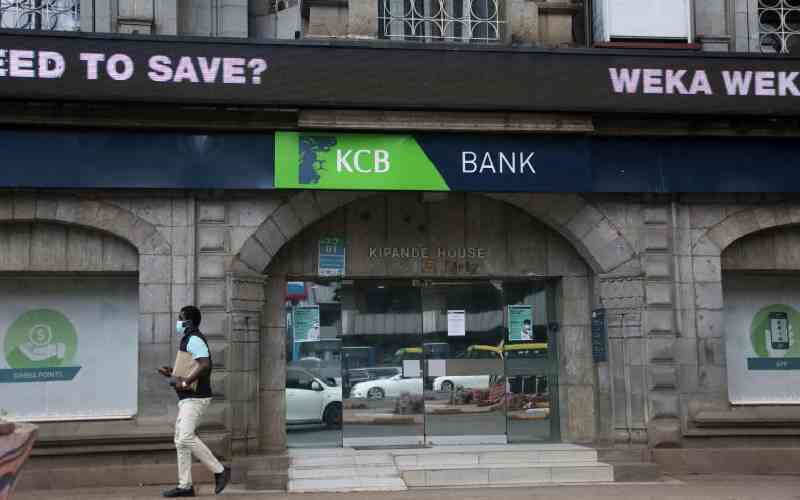
Commercial banks are preparing a sweeping crackdown on defaulters as non-performing loans (NPLs), loans that borrowers have failed to repay for 90 days or more, climbed to 15.6 per cent of gross loans in the first quarter, up from 15.4 per cent three months earlier, a Central Bank of Kenya (CBK) survey shows.
The deterioration in asset quality, a measure of how many loans are at risk of not being repaid, driven by a 3.4 per cent jump in gross NPLs outpacing modest loan growth of 1.9 per cent, has prompted lenders to intensify recovery efforts across nine economic sectors, according to the CBK Credit Officer Survey released last week. The survey, which polled 38 commercial banks and one mortgage finance company, found that 78 per cent of respondents plan to step up credit recovery in the trade sector, which includes retailers, wholesale distributors, importers and hardware shops.
Another 75 per cent will target personal and household loans, typically salary advances, unsecured personal loans, and asset financing for individuals.
Real estate and building and construction follow closely, with 68 per cent of banks intending to intensify recovery in each.
Real estate borrowers include property developers and landlords, while building and construction covers contractors, civil works firms, and suppliers of building materials.
Other sectors facing heightened collection efforts include transport and communication (66 per cent), where borrowers are matatu owners, logistics companies, and telecommunication equipment dealers; tourism, restaurants and hotels (61 per cent), covering hoteliers, tour operators and eateries; manufacturing (61 per cent), which includes food processors, textile makers and industrial goods producers; and financial services (50 per cent), comprising investment firms, microfinance lenders and stockbrokers.
Only agriculture (farmers, agribusinesses) and mining and quarrying are expected to see stable recovery efforts.
“Banks expect to intensify their credit recovery efforts in nine economic sectors,” the survey notes.
“The intensified recovery efforts are aimed at improving the overall quality of the asset portfolio.” Respondents indicated that NPLs are expected to increase in the personal and household and trade sectors during the current quarter ending June 30.
These two sectors also reported increased demand for credit in the first three months of 2026, driven by “increased working capital requirements”, meaning businesses need more cash to pay for day-to-day expenses like rent, wages and inventory, the survey notes.
That combination, rising demand for credit alongside expected growth in defaults, signals deepening financial strain for small traders and salaried households, analysts say.
The banking sector’s overall performance showed mixed signals. Total assets grew 3.8 per cent to Sh8.73 trillion, while gross loans increased to Sh4.45 trillion.
Deposits rose 3.8 per cent to Sh6.51 trillion. However, quarterly profit before tax dipped slightly to Sh83.5 billion from Sh83.9 billion, as expenses rose by Sh5.2 billion while income fell by Sh1.7 billion.
Despite the profit squeeze, capital adequacy, the cushion banks hold against unexpected losses, improved to 20.4 per cent from 20.0 per cent, well above the statutory minimum of 14.5 per cent. Credit standards, the internal rules banks use to decide whether to approve a loan, remained unchanged across all economic sectors in the first quarter, meaning banks have not yet made it harder to borrow. But the survey suggests that could change if the NPL trajectory worsens.
Factors that had “little impact” on credit standards included investment in government securities, political risks, and competition from deposit-taking microfinance institutions and saccos. The reduction of the Central Bank Rate, which stood at 8.75 per cent after the April MPC meeting, was cited as having increased demand for credit, the survey says.
Stay informed. Subscribe to our newsletter
On the liquidity front, a bank’s ability to meet immediate cash needs, 86 per cent of banks reported improved liquidity during the quarter, largely driven by increased deposits (54 per cent of respondents) and maturing government securities (24 per cent).
With that extra cash, only 27 per cent of banks plan to increase lending to the private sector, while 23 per cent prefer interbank lending (lending to other banks), 19 per cent will buy Treasury bonds, and 14 per cent will invest in Treasury bills.
Subscribe to our newsletter and stay updated on the latest developments and special offers!

 Prefer the Standard on Google









 join
join