×

The Standard e-Paper
Stay Informed, Even Offline
 The Standard Group Plc is a
multi-media organization with investments in media platforms spanning newspaper
print operations, television, radio broadcasting, digital and online services. The
Standard Group is recognized as a leading multi-media house in Kenya with a key
influence in matters of national and international interest.

Audio By Vocalize
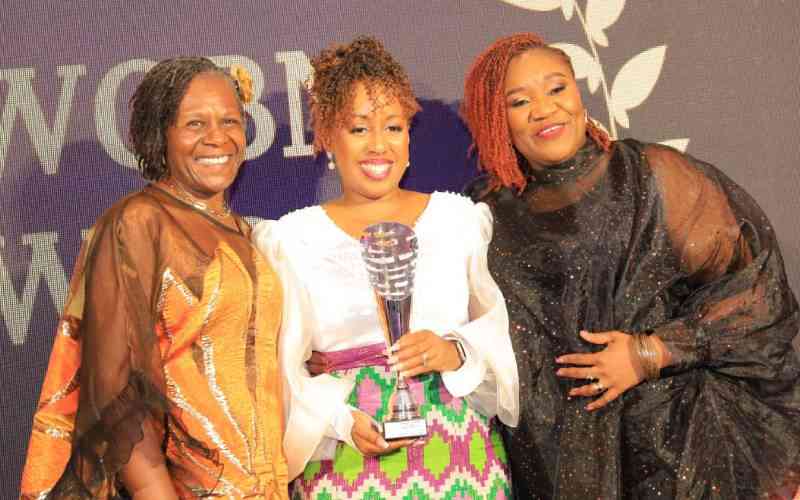
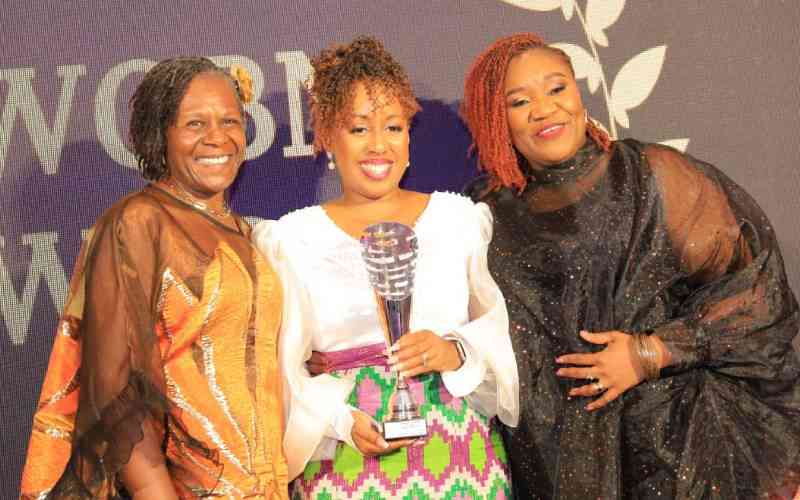
Women have been challenged to move beyond demanding affirmative action and instead compete directly with men for influential positions in politics, corporate boardrooms and senior public offices, as Kenya seeks to close persistent gender gaps in leadership.
The call was made by Dr Patricia Murugami, Chief Executive Officer of Breakthrough Leadership Transformation Group (BLT Group), during the sixth Annual Women on Boards Network (WOBN) Awards held in Nairobi on Saturday, November 28, 2026.
Speaking at the event, held under the theme ‘From Presence to Power: Shaping the Future of Leadership,’ Dr Murugami called on women to take a more active role in shaping the country's political and corporate direction, arguing that leadership opportunities should not be left to men while women wait for gender quotas to secure their advancement.
“Put yourselves forward for elective positions, compete for senior management appointments and demonstrate their capacity to lead institutions, rather than relying exclusively on constitutional provisions and affirmative action to gain entry into decision-making spaces,” she said.
This came against the backdrop of continuing debates over women's representation in Parliament, county governments and corporate leadership, despite constitutional guarantees on gender equality and efforts to expand opportunities for women.
Dr Murugami pointed to the growing number of women occupying senior public offices as evidence that women can successfully compete in spaces traditionally dominated by men.
She cited the six women governors serving in Kenya, namely Gladys Wanga of Homa Bay, Wavinya Ndeti of Machakos, Susan Kihika of Nakuru, Fatuma Achani of Kwale, Anne Waiguru of Kirinyaga and Cecily Mbarire of Embu, saying their elevation to county leadership should inspire more women to seek elective offices.
“Women have risen to influential positions in government and public institutions, demonstrating that women can handle complex leadership responsibilities and deliver results,” she added.
“We should not limit our ambitions to positions traditionally considered suitable for women. but should seek opportunities in areas where men have historically exercised greater influence, including finance, infrastructure, security, technology and economic policy.”
The challenge, she suggested, was not merely getting women into leadership structures but ensuring they occupy influential positions where major decisions are made.
A 2025 audit by the National Gender and Equality Commission covering 202 state corporations found that women occupied 33 per cent of board positions and 32.6 per cent of top management positions.
The imbalance becomes more pronounced at the highest levels, with women accounting for only 19 per cent of substantive board chairpersons and 20.2 per cent of heads of secretariats.
The Kenya Institute of Management's Board Diversity, Equity and Inclusion Report 2024 similarly found that women accounted for only 32 per cent of chief executive and managing director positions, while 21.3 per cent of board chairpersons were women. Eight out of 10 company boards had more men than women.
The figures point to a leadership pipeline that continues to narrow as women climb the corporate ladder, despite their growing participation in professional and managerial positions.
Other challenges include limited access to mentorship, influential professional networks and opportunities to take up strategic assignments that prepare employees for top executive positions.
Stay informed. Subscribe to our newsletter
Catherine Musakali, Chairperson Women on Boards Network (WOBN) said women contend with workplace stereotypes, unequal expectations around family responsibilities and the tendency to overlook their leadership potential when appointments to influential positions are made.
“Access to networks, capital and mentorship continues to influence career progression, with women often missing out on revenue-generating responsibilities that traditionally prepare executives for chief executive positions,” she added.
The constitutional requirement that no more than two-thirds of members of elective or appointive bodies should be of the same gender has also remained difficult to implement, particularly in Parliament.
According to the 2025 national gender analysis, women held 23.7 per cent of National Assembly seats and 31.3 per cent of Senate seats, falling short of the constitutional threshold.
Zuhura Odhiambo, CEO NRSA called for a change in how organisations approach leadership development, urging institutions to invest in humanising workplaces and nurturing leaders at individual, team, board and organisational levels.
She emphasised the importance of emotional intelligence, collaboration, resilience, empathy and inclusive decision-making in building effective organisations.
These qualities, she argued, should be recognised as strategic leadership strengths rather than dismissed as weaknesses in environments where leadership has traditionally been associated with rigid authority.
The WOBN awards brought together leaders and organisations committed to advancing gender diversity, boardroom excellence and inclusive corporate governance.
The network also provides platforms through board talks, mentorship, quarterly breakfast meetings and annual conferences, enabling women to exchange experiences and strengthen their leadership capabilities.
Subscribe to our newsletter and stay updated on the latest developments and special offers!

 Prefer the Standard on Google