×

The Standard e-Paper
Fearless, Trusted News
 The Standard Group Plc is a
multi-media organization with investments in media platforms spanning newspaper
print operations, television, radio broadcasting, digital and online services. The
Standard Group is recognized as a leading multi-media house in Kenya with a key
influence in matters of national and international interest.
The Standard Group Plc is a
multi-media organization with investments in media platforms spanning newspaper
print operations, television, radio broadcasting, digital and online services. The
Standard Group is recognized as a leading multi-media house in Kenya with a key
influence in matters of national and international interest.

Audio By Vocalize
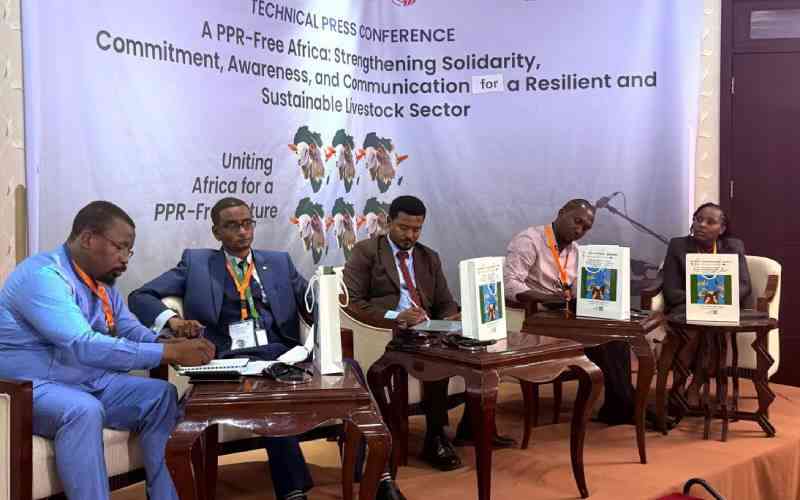
African countries have made progress against goat plague, a contagious livestock disease that affects sheep and goats, but experts say stronger political commitment and increased domestic funding are needed to eradicate it.
The warning came during a mid-term review of the Pan-African Programme for the Eradication of Peste des Petits Ruminants (PPR) held on Tuesday in Addis Ababa, Ethiopia, 18 months after the programme launched in February 2025.
The European Union said African governments must increase domestic investment to sustain efforts to eradicate PPR, warning that external funding alone will not eliminate the disease.
"Lasting success cannot depend on external support alone. It requires sustained domestic commitment, national ownership and continued investment by African countries."
The programme, hosted by the African Union Interafrican Bureau for Animal Resources (AU-IBAR), has received €8 million from the European Union and is being implemented with African Union member states, Regional Economic Communities (RECs), the Food and Agriculture Organization (FAO), the World Organisation for Animal Health (WOAH) and the African Union Pan-African Veterinary Vaccine Centre (AU-PANVAC).
PPR, also known as goat plague, is one of Africa's most damaging livestock diseases. It threatens the livelihoods of millions of pastoralists and smallholder farmers by reducing livestock production, disrupting trade and weakening food security.
The Pan-African PPR Secretariat (PAPS) said the programme has strengthened Africa's ability to prevent, detect and respond to outbreaks.
Officials cited updated national eradication strategies, regional road maps, stronger veterinary services, expanded disease surveillance, improved laboratory diagnostic capacity and closer coordination among African countries as key achievements.
However, the Food and Agriculture Organization warned that many countries still lack the resources needed to implement national eradication plans.
"One of the major challenges we face today is advocacy. This is where much of our effort must be focused. We need to strengthen advocacy at all levels to secure increased funding and mobilise additional resources," the Food and Agriculture Organization said.
The organisation said greater investment would help countries implement their programmes more effectively and accelerate eradication efforts.
The World Organisation for Animal Health urged countries to align their efforts with international standards and continue following the agreed stepwise pathway towards official recognition of their disease status.
AU-PANVAC said producing high-quality vaccines and expanding access to reliable diagnostic tests remain critical to controlling outbreaks. It added that stronger surveillance and early detection systems would help countries contain the disease more quickly.
The Government of Ethiopia called for stronger cooperation among member states, regional organisations and development partners, saying cross-border collaboration remains essential because the disease does not respect national boundaries.
It also urged governments to increase funding for veterinary services while appealing to international donors to complement existing support.
Stay informed. Subscribe to our newsletter
PAPS said the next phase of the programme will focus on implementing national eradication plans, strengthening surveillance in border regions, improving laboratory capacity and sustaining political commitment to eliminate the disease.
Officials said eradicating PPR would protect livestock assets that millions of African households depend on for food security, income and resilience.
Subscribe to our newsletter and stay updated on the latest developments and special offers!


 Prefer the Standard on Google








 join
join