×

The Standard e-Paper
Home To Bold Columnists
 The Standard Group Plc is a
multi-media organization with investments in media platforms spanning newspaper
print operations, television, radio broadcasting, digital and online services. The
Standard Group is recognized as a leading multi-media house in Kenya with a key
influence in matters of national and international interest.
The Standard Group Plc is a
multi-media organization with investments in media platforms spanning newspaper
print operations, television, radio broadcasting, digital and online services. The
Standard Group is recognized as a leading multi-media house in Kenya with a key
influence in matters of national and international interest.

Audio By Vocalize
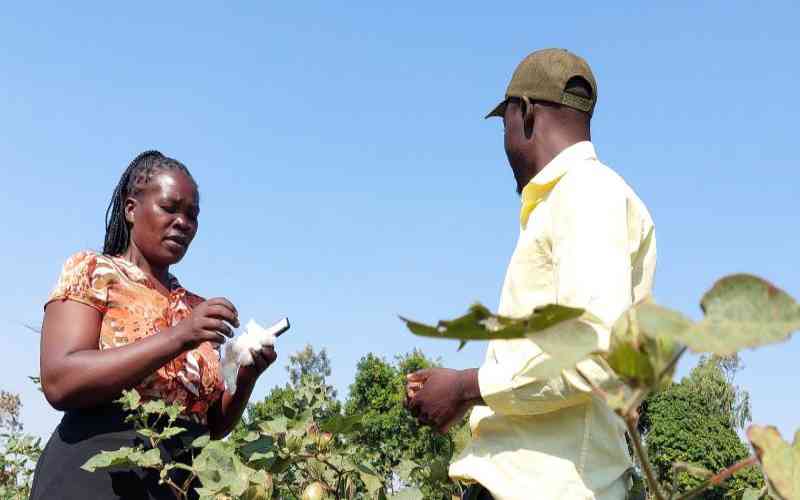
Busia County has intensified efforts to revive cotton farming by distributing 24 metric tonnes of cotton seed to farmers across the county in a move aimed at increasing production, creating employment, and improving household incomes.
The seed distribution exercise is being implemented in partnership with the National Government through the Office of the Presidential Economic Transformation Secretariat (PETS) and forms part of broader interventions to restore the crop's prominence as a key cash earner in the region.
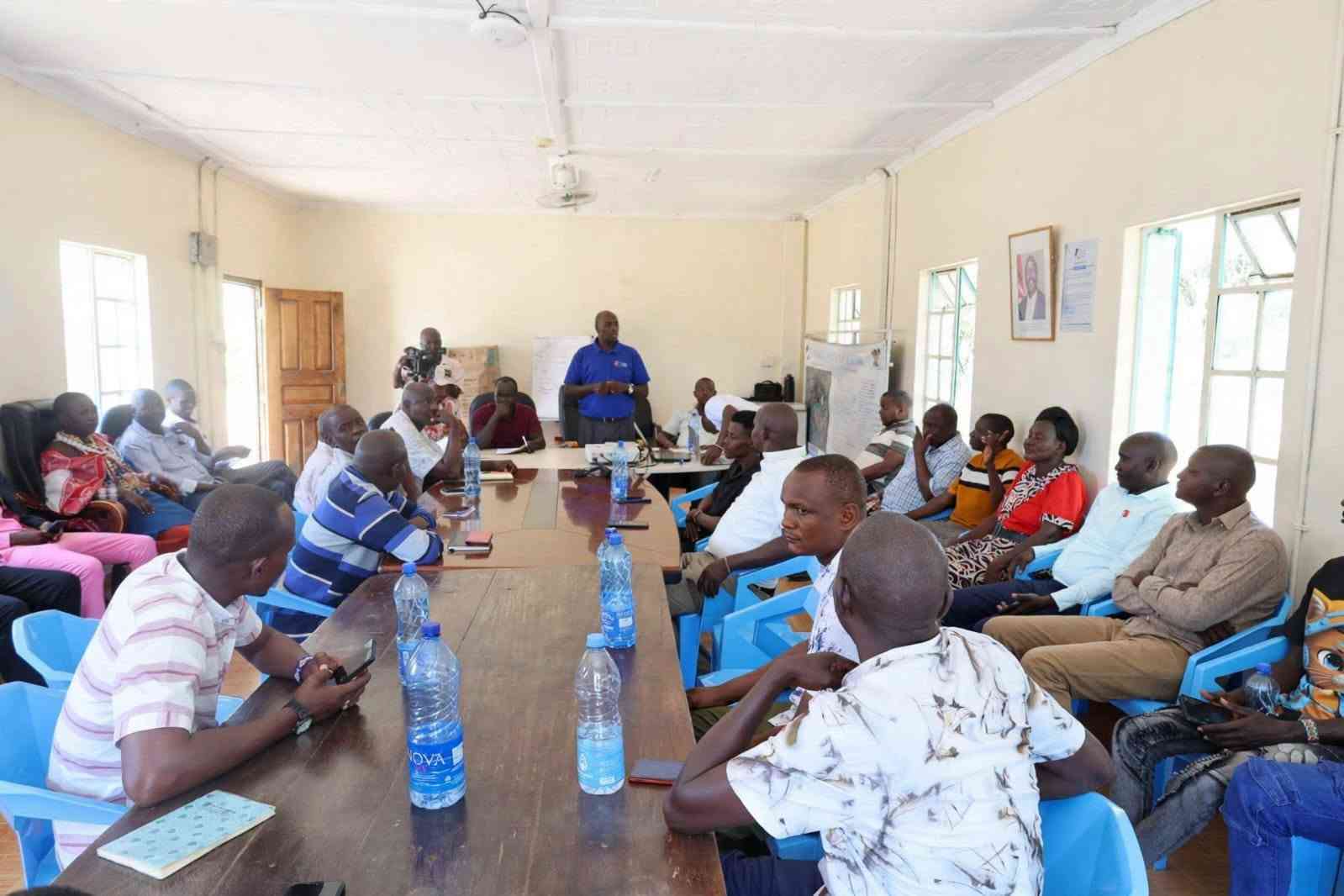
Speaking during the flagging-off of trucks carrying the seeds to various distribution centres, Busia County Executive Committee Member (CECM) for Smart Agriculture, Livestock, Fisheries, Blue Economy and Agribusiness, Dr. George Mukok, said the county was committed to rebuilding the cotton value chain and positioning the crop as a major driver of economic growth.
"As a county, we are committed to ensuring we empower our farmers with necessary farm inputs regarding cotton farming, and by empowering them, we will be able to revive the venture, which has the potential of creating job opportunities and improving the economy of our county, and this will be achieved in collaboration with the national government, who are our biggest supporter," said Mukok.
Dr Mukok said the county government, working closely with the national government, has made significant progress in revitalizing the cotton sector, including the reopening and operationalization of Mulwanda Ginning Factory and its satellite ginnery at Jairos.
He noted that the revival of processing facilities is expected to provide farmers with a reliable market for their produce while strengthening the entire cotton value chain from production to processing.
"Busia has favourable climatic conditions for cotton farming, and we are encouraging more farmers to take advantage of this opportunity. Cotton has great potential to improve household incomes and contribute to economic growth in the county," said Mukok.
The seeds were dispatched to Mulwanda Ginning Factory in Samia Sub-County, the Jairos satellite ginnery in Teso North, and the Nambale Cotton Farmers Cooperative Society in Nambale Sub-County
According to Mukok, the county is targeting more than 2,000 farmers to participate in the cotton production programme as part of efforts to increase acreage under the crop and enhance productivity.
"Cotton was once among the leading cash crops in Western Kenya, especially in Busia and Bungoma Counties, supporting thousands of farming households and supplying raw materials to the country's textile and apparel industries. However, production declined over the years due to challenges such as limited access to quality seeds, inadequate extension services, low producer prices, and the collapse of several ginneries. As a county, we have come in to bridge that gap and revive the sector," said Mukok.
The CECM argued that recent government interventions aimed at revitalizing the textile and apparel sector have renewed interest in cotton farming, with counties such as Busia emerging as strategic production zones.
Dr Mukok revealed that Busia ranked fourth nationally in cotton production last year, an achievement he attributed to increased farmer participation, improved seed availability, and deliberate efforts by both levels of government to support the crop.
"With the latest seed distribution programme, we are optimistic that it will further increase production and strengthen Busia's position among Kenya's leading cotton-producing counties," he said.
The CECM said that to ensure farmers achieve higher yields, the county government has deployed agricultural extension officers to provide technical support on crop establishment, management, and pest control.
"As a county, we have put in place an adequate number of extension personnel to guide farmers throughout the production cycle and promote best agricultural practices," said Mukok.
Stay informed. Subscribe to our newsletter
Moses Nyarike, a cotton farmer, believes that increased cotton production in counties such as Busia will help reduce reliance on imported cotton while supporting the growth of Kenya's textile sector and creating opportunities for youth and women.
"If the government supports farming, then we are going to benefit as local farmers, and we will end the issue of depending on imported materials for our local factories, and by doing this, we are going to empower our local farmers," said Nyarike.
Subscribe to our newsletter and stay updated on the latest developments and special offers!

 Prefer the Standard on Google