×

The Standard e-Paper
Kenya’s Boldest Voice
 The Standard Group Plc is a
multi-media organization with investments in media platforms spanning newspaper
print operations, television, radio broadcasting, digital and online services. The
Standard Group is recognized as a leading multi-media house in Kenya with a key
influence in matters of national and international interest.
The Standard Group Plc is a
multi-media organization with investments in media platforms spanning newspaper
print operations, television, radio broadcasting, digital and online services. The
Standard Group is recognized as a leading multi-media house in Kenya with a key
influence in matters of national and international interest.

Audio By Vocalize

Tens of wild animals have been displaced by the rising water levels of Lake Naivasha as residents continue to feel the full wrath of nature.
The wild animals, mainly hippos, buffaloes, and giraffes, have been pushed into private farms, homes, and nearby Moi South road, sparking fear and anxiety among area residents.
This came as tens of families affected by the flooding in Kihoto estate embarked on a mass exodus seeking homes in nearby estates as the water levels continued to rise by the day.
For the last two months, water levels around the lake have been rising gradually, but last month, the situation worsened, flooding tens of homes in the estate that is home to tens of flower farm workers.
According to the chairman of Friends of Lake Naivasha, Francis Muthui, the rising waters had flooded acres of pasture land, adversely affecting tens of wild animals.
He said that this had pushed the animals to nearby homes and farms, warning that this could lead to an increase in cases of human-wildlife conflict.
“It has now become the norm to spot wild animals along Moi South Lake road and even near Naivasha town searching for pastures,” he said.
Muthui added that the situation was getting serious by the day, noting that over 80 percent of riparian land around Karagita and Central landing beaches had been flooded.
“We have seen an increase in cases of hippo and buffalo attacks since the flooding crisis started, and unfortunately, experts don’t know what is causing this,” he said.
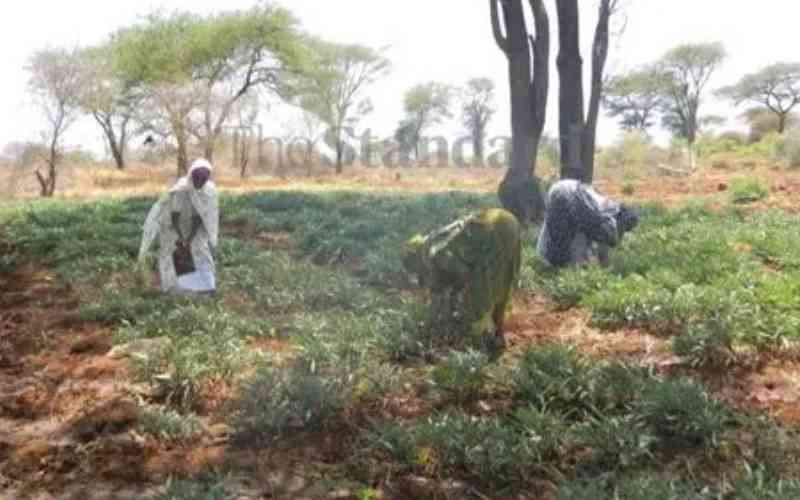
A farmer, Adam Kuria, who was involved in vegetable growing near the lake, said that they had lost all their crops to the lake.
“The vegetables were about to be harvested, but all have been destroyed by the rising waters that have flooded all the small farms around the lake,” he said.
Speaking earlier, KWS Senior Assistant Director in charge of Central Rift, Gideon Kibati, said the rise in the water levels had pushed tens of animals to private farms and homes.
While calling for patience as KWS addressed the crisis, he promised all those affected by the marauding animals that they would be compensated.
“The crisis started one year ago when water levels in the lake started to rise, thus displacing tens of animals around the riparian land and pushing them into nearby farms,” he said.
Kibati said that the government had released Sh32m for compensation of affected families in Nakuru between 2019 and 2022.
Stay informed. Subscribe to our newsletter
Subscribe to our newsletter and stay updated on the latest developments and special offers!


 Prefer the Standard on Google







 join
join