×

The Standard e-Paper
Smart Minds Choose Us
 The Standard Group Plc is a
multi-media organization with investments in media platforms spanning newspaper
print operations, television, radio broadcasting, digital and online services. The
Standard Group is recognized as a leading multi-media house in Kenya with a key
influence in matters of national and international interest.

Audio By Vocalize
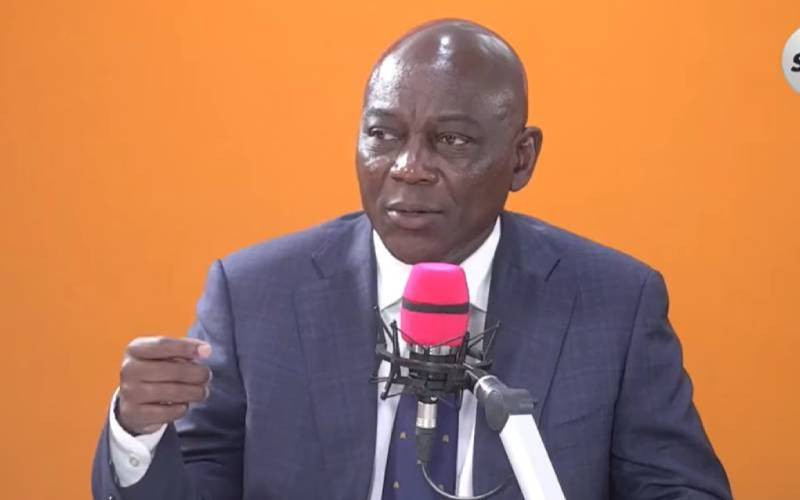
Suba South MP Caroli Omondi says his efforts to restore mandatory live streaming of election results and introduce additional safeguards ahead of the 2027 General Election were frustrated during parliamentary consideration of the Elections Amendment Bill.
Speaking on Spice FM, Omondi said he had proposed amendments to Section 22 of the Bill, which sought to repeal Section 39 of the Elections Act, including the provision requiring the Independent Electoral and Boundaries Commission (IEBC) to establish a mechanism for live streaming results announced at polling stations.
"I was amending Section 22 in the elections bill, which was deleting Section 39. They realised I'd put them in a corner. So the only escape route they had is to drop the entire amendment. The reason is that they want people not to know what is going on, how the process is building up. It is very deliberate," said Omondi.
He said he wanted the live-streaming provision retained and expanded to allow Kenyans to follow presidential election results as they are announced at constituency tallying centres.
His proposal also included the establishment of a National Results Centre where results from all 290 constituencies and the diaspora would be streamed publicly.
However, Omondi said the proposals were dropped after lawmakers withdrew the entire provision seeking to amend Section 39.
He accused UDA and ODM of using proposals from the National Dialogue Committee (NADCO) to weaken electoral transparency, arguing that removing the live-streaming requirement would limit public scrutiny of the election process.
The MP also opposed proposals in the Bill to transfer responsibilities assigned to presiding and returning officers to the IEBC as a commission.
Under the current electoral framework, presiding officers count, tally and announce results at polling stations, while returning officers collate and announce results at constituency and county levels.
Omondi argued that clearly assigning these responsibilities to individual election officials was necessary to establish accountability and guard against possible manipulation.
Beyond live streaming, he said he had proposed other safeguards, including a publicly accessible register of voters transferred between polling stations and regular audits of the voter register.
He also wanted political parties to have access to the source code and audit logs of the IEBC's election management system.
Other proposals included georeferencing polling stations, restricting KIEMS kits to designated polling stations through geofencing, and requiring election officials and party agents to record and sign off on the number of ballot papers available before voting begins.
Omondi said the measures were intended to address concerns over voter transfers, the integrity of election technology and discrepancies in ballot paper figures.
Stay informed. Subscribe to our newsletter
He said the proposals were informed by consultations with civil society, court rulings and a people-driven electoral reform programme launched by the United Opposition under former Chief Justice David Maraga and former National Assembly Speaker Justin Muturi.
With Parliament expected to pursue mediation over the disputed amendments, Omondi said he would work with senators to push for changes that meet constitutional requirements.
He warned that failure to secure the proposed changes through Parliament would prompt a court challenge.
Subscribe to our newsletter and stay updated on the latest developments and special offers!


 Prefer the Standard on Google