×

The Standard e-Paper
Kenya’s Boldest Voice
 The Standard Group Plc is a
multi-media organization with investments in media platforms spanning newspaper
print operations, television, radio broadcasting, digital and online services. The
Standard Group is recognized as a leading multi-media house in Kenya with a key
influence in matters of national and international interest.
The Standard Group Plc is a
multi-media organization with investments in media platforms spanning newspaper
print operations, television, radio broadcasting, digital and online services. The
Standard Group is recognized as a leading multi-media house in Kenya with a key
influence in matters of national and international interest.

Audio By Vocalize
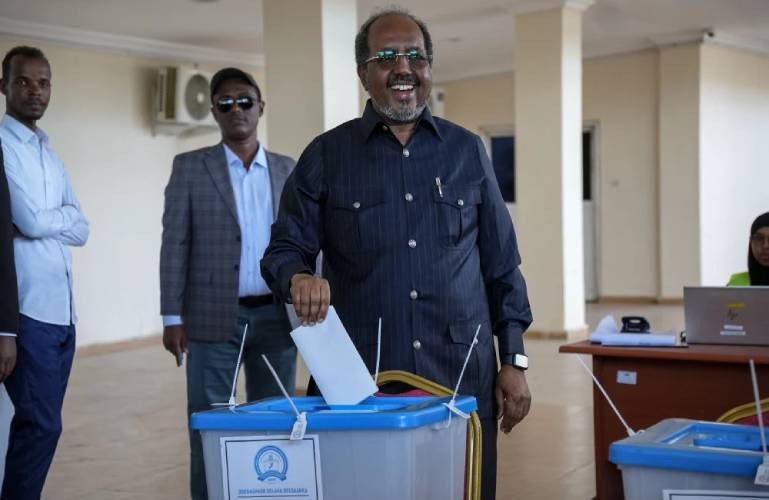
Somalia's next presidential election is beginning to dominate political discourse, with four prominent figures emerging as the leading contenders to succeed President Hassan Sheikh Mohamud.
Although the vote is still months away, political discussions in the capital, Mogadishu, have largely focused on former presidents Mohamed Abdullahi Farmaajo and Sharif Sheikh Ahmed, former Prime Minister Abdi Farah Shirdon (Saacid), and businessman Omar Abdulkadir Ahmed Fiqi.
Each candidate brings a distinct vision for a nation grappling with persistent insecurity, fragile state institutions and economic challenges.
Former President Farmaajo remains one of Somalia's most influential political figures.
His administration was marked by a strong emphasis on nationalism, a powerful central government and the defence of Somalia's sovereignty. Supporters argue those priorities remain essential in the fight against the Al-Shabaab insurgency and efforts to strengthen state institutions.
However, critics contend that his tenure strained relations between the federal government and regional states, fuelling political tensions.
Former President Sharif Sheikh Ahmed is widely viewed as a consensus builder. During his presidency, he was credited with guiding Somalia through a delicate political transition while engaging rival political factions, religious leaders and international partners.
His focus on dialogue and reconciliation is expected to appeal to voters seeking greater political stability.
Former Prime Minister Saacid has built his campaign around governance reforms, economic management and private-sector development. Seen as a technocrat, he faces the challenge of forging the political alliances necessary to secure victory in Somalia's indirect presidential election, where lawmakers choose the head of state.
Businessman Omar Abdulkadir Ahmed Fiqi is positioning himself as an outsider with a private-sector background.
His supporters believe his business experience could help attract investment, create jobs and modernise public services. However, analysts say translating commercial success into political backing among lawmakers and regional leaders will be a significant test.
Political analyst Musa Ahmed said the election would be pivotal for Somalia's future.
"This is the most crucial moment in Somalia's transition. The next president must unite the country, strengthen federal institutions and deliver security and economic opportunity beyond political interests," he said.
The next president will inherit daunting challenges, including defeating Al-Shabaab, completing constitutional reforms, tackling corruption and improving relations between the federal government and regional administrations.
Stay informed. Subscribe to our newsletter
Subscribe to our newsletter and stay updated on the latest developments and special offers!

 Prefer the Standard on Google




 join
join