×

The Standard e-Paper
Join Thousands Daily
 The Standard Group Plc is a
multi-media organization with investments in media platforms spanning newspaper
print operations, television, radio broadcasting, digital and online services. The
Standard Group is recognized as a leading multi-media house in Kenya with a key
influence in matters of national and international interest.
The Standard Group Plc is a
multi-media organization with investments in media platforms spanning newspaper
print operations, television, radio broadcasting, digital and online services. The
Standard Group is recognized as a leading multi-media house in Kenya with a key
influence in matters of national and international interest.

Audio By Vocalize
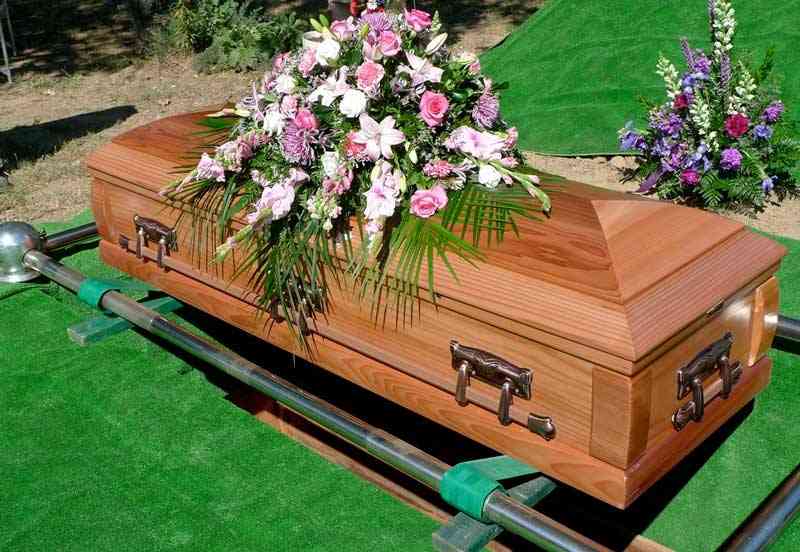
I followed the funeral service livestream of a young person who died last week in a political violence incident. I was troubled by statements made as speakers tried to justify the death.
Some poured in their theology that everyone has a destiny with death. Fair enough. We shall all die. And yes, we shall resurrect and enjoy eternal life if our choices, exercised in freedom, set heaven as our final destination.
Some blamed the death on poor parenting and mentorship. So, the young person, who was part of a goon platoon, was not to blame. It is the adult community around him that let him down and carries his innocent blood.
Politicians at the funeral came in two shades. The first blamed the young man for engaging in criminal activities, warning others not to engage in violent rallies lest they end up in a coffin. The second blamed the State for aiding the killing of the young man, arguing that he was exercising his right to protest and met unconstitutional brutality.
My heart almost stopped when one speaker belaboured that God had a plan for the deceased, and this was his day to exit the world. I remembered, with remorse, how many times I had said this to myself in similar circumstances.
Is it true that the young man died according to God’s plan?
Rarely, if ever, is a young person from a wealthy family hired to clobber fellow youths. Very few wealthy youths attend rallies that can explode into violence. This young man died because he and his family lacked wealth. It matters little which candidate he supported; dying in a violent political environment settles his economic status. So, did God predestine the young man to be poor and in that deadly political heat?
That would not be the God of Abraham, Isaac, and Jacob. That would be a domesticated god. I do not claim to resolve the mystery of suffering. Job, in the Old Testament of the Bible, warns against tidy answers. But this much is clear: If a country has material resources, human intelligence, moral leadership, and a favourable legal environment, the young man would be alive. Kenya, like many other African countries, has the resources and intelligence to ensure that people enjoy life to fullest. However, greed limits access to national resources. Human intelligence is used to exclude others. Leadership is characterised by wrong moral choices, and the law is disregarded by the wealthy and powerful.
Again, did God predestine the young man to die in this incident?
Predestination must be understood correctly. St Thomas Aquinas teaches in the ‘Summa Theologiae’ that "predestination, as regards its objects, is a part of providence," directing rational creatures toward eternal life. God's providence may permit evil arising from our free choices, without ever willing it. But permission is not authorship.
Predestination is God's plan for our salvation, not a divine orchestration of human injustice. This aligns with Ephesians 1:4-6: "For he chose us in him before the creation of the world to be holy and blameless in his sight. In love he predestined us for adoption to sonship through Jesus Christ... to the praise of his glorious grace." God predestines us for holiness and adoption, not for poverty and violent death.
Let us be honest. We are creating a predestination for others. We have turned ourselves into little gods, deciding when to eliminate another person's life. Like the builders of Babel, we imagine our intelligence can raise a tower to heaven. Like Sodom, whose sin was pride, excess gluttony, and neglect of the poor and needy (Ezekiel 16:49), we have abandoned the vulnerable among us.
What I learned from the funeral livestream is never to involve God when we have chosen to end the lives of others. Whichever way we justify it, know that God did not predestine the young man to die. We did. We cannot run away from our human agency to do right and justify our evil ways by invoking God. Our freedom indicts us: God wills salvation, but our free choices delivered this young man's coffin.
Stay informed. Subscribe to our newsletter
Dr Mokua is Director of Loyola Center for Media and Communications
Subscribe to our newsletter and stay updated on the latest developments and special offers!


 Prefer the Standard on Google