×

The Standard e-Paper
Join Thousands Daily
 The Standard Group Plc is a
multi-media organization with investments in media platforms spanning newspaper
print operations, television, radio broadcasting, digital and online services. The
Standard Group is recognized as a leading multi-media house in Kenya with a key
influence in matters of national and international interest.
The Standard Group Plc is a
multi-media organization with investments in media platforms spanning newspaper
print operations, television, radio broadcasting, digital and online services. The
Standard Group is recognized as a leading multi-media house in Kenya with a key
influence in matters of national and international interest.

Audio By Vocalize
In times of hardship, enslavement and draconian governance, rays of hope manifest themselves through defiant youthful activism. This is true of colonial and post-colonial Kenya, a product of British, Germans, and Italian imperial competition to partition territories and peoples in Eastern Africa. Hemming and land-locking Ethiopia, north of Kenya, each imposed a new governing order on its claimed territory. They transferred legitimacy and sovereignty from Africans to agreements in European capitals and denied humanity to Africans.
Contradictions emerged in Kenya that had been ear-marked to become ‘White Man’s Country’ on the Equator, that would define the country's future. These contradictions are between official assumptions and ground realities, collective docility and dignified resistance to bad governance, internalised acceptance of the defeat and constant search for the reasons of the defeat with the aim of challenging the imposed rule. At every stage and every era, the youth of the day were in the forefront of challenging oppression. They emitted ‘rays’ of hope that all was not lost. Three such defining moments, one in colonial and two in post-colonial Kenya, stand out. These are the 1922 Thuku confrontation, the July 1990 Saba Saba defiance, and the 2024 Gen Z daring. In each of those defining moments, the beneficiaries or the ‘eaters’ of the fruits of defiance were often different from those who risked their lives to resist oppression.
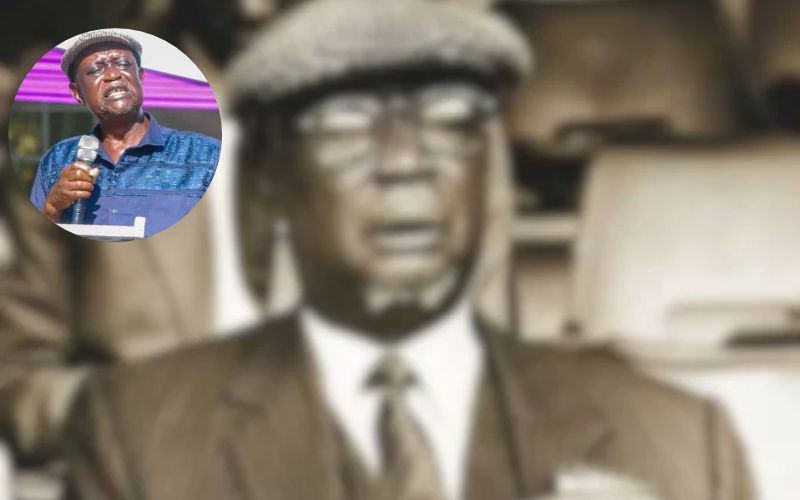
Harry Thuku was in his 20s in early 1920s when he entered the international scene by challenging the contradictions between professed colonial ideals and the reality of enslavement for Africans in Kenya. He embarked on mobilising ‘natives’ in East Africa, questioning colonial labour and taxing policies, and establishing contacts with Marcus Garvey in New York. Unable to counter the challenge at Thuku’s intellectual level Governor Edward Northey had Thuku arrested in 1922 which led to the Muthoni Nyanjiru-led confrontation that became ‘international’ news as Garvey and Mahatma Gandhi in India sent their protests. With Muthoni dead, several things happened. The government dispatched Thuku to Kismayu, forbade colony-wide organisations for natives, created Local Native Councils presided by white DCs, issued the 1923 Devonshire White Paper, and organised an education commission from New York to recommend education for blacks to remain technical but never policymaking. Still the released spirit of challenging implementation of colonial policies persisted and graduated into the Mau Mau War in the 1950s that ushered independence in.
The second defining moment was in the July 1990 Saba Saba phenomenon that enabled Kenya to return to multi-party politics. In the 1980s, with the State instilling deep ‘fear’ in the people, there arose youthful challengers to bad governance who included the alternative media that gave voice to daring political activists. The July 1990 three-day confrontations at Kamkunji between the people and the police, rebaptised Saba Saba, showed that people had lost fear. With leaders either in detention or in hiding, the loss of fear shifted initiative from government to the people and enabled politicians to come out of hibernation. Early in 1991, old time politicians formed FORD as a political movement that tried to organise rallies at Kamkunji, including ‘Nane Nane’ in August 1991. FORD, however, remained in the shadow of Saba Saba as the government conceded to the demands of multi-partyism.
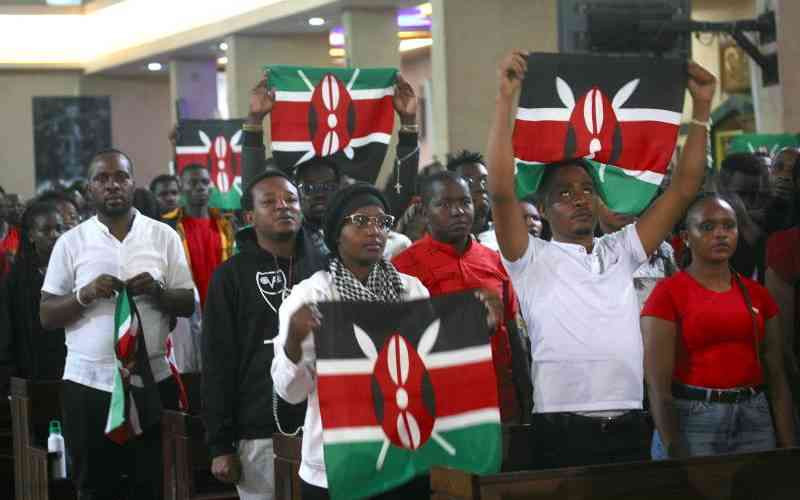
The third defining moment was the June 2024 Gen Z uprising about taxes, high cost of living, and Kenya’s subservience to foreign dictates. Telling ‘elders’ to stay out, the youth claimed to be partyless, leaderless, and tribeless. Stressing adherence to the Constitution, rule of law, and the national anthem, they forced William Ruto’s government to retreat temporarily and to seek support from Raila Odinga’s ODM. The combined Ruto/Raila effort penetrated and deflated the GenZs and led to the Broad-Based Government. Like Thuku and Saba Saba, the Gen Z slid into memory and acquired ‘legacy’ as fleeting moments in Kenya’s history of struggle.
Subscribe to our newsletter and stay updated on the latest developments and special offers!

 Prefer the Standard on Google