×

The Standard e-Paper
Fearless, Trusted News
 The Standard Group Plc is a
multi-media organization with investments in media platforms spanning newspaper
print operations, television, radio broadcasting, digital and online services. The
Standard Group is recognized as a leading multi-media house in Kenya with a key
influence in matters of national and international interest.
The Standard Group Plc is a
multi-media organization with investments in media platforms spanning newspaper
print operations, television, radio broadcasting, digital and online services. The
Standard Group is recognized as a leading multi-media house in Kenya with a key
influence in matters of national and international interest.

Audio By Vocalize
“A good name is more desirable than great riches; to be esteemed is better than silver or gold.” Proverbs 22:1.
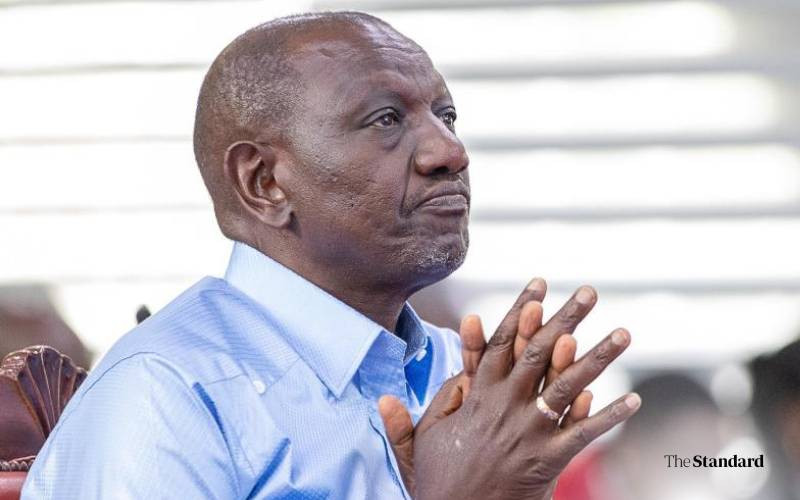
Kenya had a Bill. The Bill had a bill and the bill was paid in insults. Yet the account is still open. That is not a riddle. That is a Tuesday morning in Kenya, where the President took to social media, addressed a media shareholder by name, called his newspaper’s journalism extortion and blackmail, and invited the institution to do its worst.
One point one million people read it before lunch. By evening, the context notes on X had supplied what the post had quietly omitted: the government owes Standard Media Group over Sh1.2 billion in unpaid advertising bills.
The insults arrived on time. But the money has not. In ancient Rome, emperors who could not silence critics by argument learned to silence them by ruin. Cut the supply lines. Dry up the contracts. When the voice falls quiet from hunger, call it peace. The method never went out of fashion. Only the tools changed. This week, the tool was a smartphone. And the silence, to the government’s visible frustration, has not arrived.
When you cannot pay the invoice, do not attack the accountant. Let us be precise, because precision is what this moment demands. Standard Media Group rendered a service; the government consumed it.
The Sh1.2 billion bill that was not paid is not a rounding error in the national budget. It is payroll and rent. It is the number that determines whether a newsroom functions or quietly bleeds out.
When that debt went unresolved and the newspaper continued to report, the response from the highest office in the land was not a payment plana, a Treasury directive, or even a phone call. It was a public post in capital letters accusing the creditor of greed.
There is a name for that sequence in every boardroom. It is called deflection. And deflection, when deployed by the most powerful office in a country against a free press, is not a billing dispute. It is a signal. Every institution in Kenya should be reading it carefully.
The Standard has published since 1902. It reported under colonialism, through coups, through the suffocating years of Section 2A, through elections that rewrote this country’s future. It did not survive one hundred and twenty-three years by being fragile. What it cannot survive, and what no free press in any functioning democracy has ever survived, is a state that controls its revenue and then punishes it for its headlines. That is not press freedom. That is a leash with a longer rope.
Every CEO, every board member, every supplier who has ever invoiced a government entity and watched that invoice age in silence knows the particular anxiety of that waiting. The contract is signed. The service is delivered. The follow-up emails begin their slow, polite descent into irrelevance.
Sh1.2 billion in unpaid government advertising is not a Standard Media problem. It is a structural problem sitting inside dozens of Kenyan businesses right now, quietly distorting cash flows, forcing owners to borrow commercially to bridge obligations a solvent client should have settled months ago.
The President’s second post called The Standard heartless to its workers. He was right that workers matter. What he did not say is that a government sitting on Sh1.2 billion in unpaid bills while accusing its creditor of greed has lost the moral authority to lecture anyone on heartlessness. The workers at Standard are owed wages in part because their employer is owed money by the state. That is not irony. That is arithmetic.
Here is the question every foresight leader in business must now answer honestly: if your largest client can attack your reputation instead of paying your invoice, what is your contract actually worth? The answer should permanently change how you price, structure, and protect every government engagement you hold.
Stay informed. Subscribe to our newsletter
Parliament should be asking why government advertising debts are not subject to the same payment discipline as any other public procurement obligation. The Auditor General should be reporting on them annually. Treasury should be clearing them on a published schedule the public can audit. The moment media survival is contingent on government goodwill; the press is not free. It is simply ungagged for now, at the government’s discretion, until the next invoice.
The Standard will outlast this moment. It has outlasted worse. But Kenya cannot afford to normalise a political culture where debt becomes a weapon, where the answer to a legitimate invoice is a social media attack, and where press freedom is measured not by law but by how much an institution is willing to endure before it goes quiet. The bill exists. It has a name and it is still due. Pay it.
Subscribe to our newsletter and stay updated on the latest developments and special offers!


 Prefer the Standard on Google