×

The Standard e-Paper
Fearless, Trusted News
 The Standard Group Plc is a
multi-media organization with investments in media platforms spanning newspaper
print operations, television, radio broadcasting, digital and online services. The
Standard Group is recognized as a leading multi-media house in Kenya with a key
influence in matters of national and international interest.
The Standard Group Plc is a
multi-media organization with investments in media platforms spanning newspaper
print operations, television, radio broadcasting, digital and online services. The
Standard Group is recognized as a leading multi-media house in Kenya with a key
influence in matters of national and international interest.

Audio By Vocalize
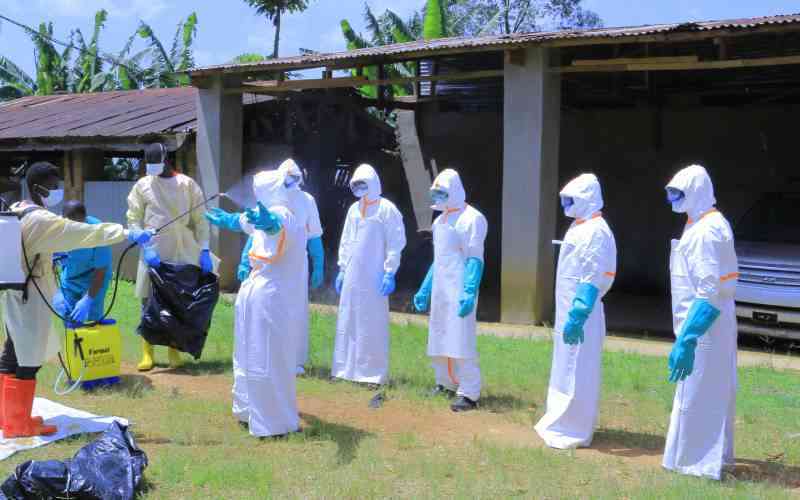
Kenya’s approval for the United States to establish an Ebola quarantine facility at Laikipia Air Base has ignited a storm of ethical, political, and public health concerns that extend far beyond diplomatic cooperation.
While international collaboration in responding to infectious disease outbreaks is necessary and commendable, the manner, location, and transparency surrounding this decision raise troubling questions that cannot be ignored. According to US officials, the facility would be used to quarantine and treat Americans exposed to the Ebola outbreak in the Democratic Republic of Congo.
It would be staffed by the US Public Health Service and located within a military installation in central Kenya. Yet, Kenyan authorities have remained largely silent, offering no clear public explanation of the agreement or its implications. This silence is dangerous.
Public health decisions of this magnitude require not only technical assessment but also public trust. Without transparency, suspicion will always fill the vacuum. The fact that Kenya reportedly pushed for the facility to serve all nationalities, not just American citizens, adds another layer of ambiguity.
Was this condition accepted? Or was it quietly dropped? The lack of clarity risks fuelling public anxiety and undermining confidence in the government’s handling of infectious disease preparedness. Even more concerning is the perception that Kenya may be outsourcing risk while limiting national debate.
Hosting Ebola patients even in controlled, high-security environments demands the highest standards of biosecurity, communication, and community engagement. Anything less exposes the country not just to health risks, but to political fallout and loss of credibility. Kenyans have questioned why the country, and specifically Laikipia County, has been identified for such a facility when the outbreak is centred in the Democratic Republic of Congo. Others argue that the decision appears to prioritise foreign logistical convenience over regional containment strategy.
Leaders have openly demanded answers, warning that the government has not provided full disclosure on the nature of the arrangement. Why is the government not giving full disclosure of its intentions and plans?
Many have also cautioned against policies that could inadvertently weaken global outbreak response coordination. Epidemiologists warn that isolating exposed individuals outside their home systems may create ethical dilemmas and discourage transparent reporting of exposure. Kenya must tread carefully. Its reputation as a regional health hub is built on years of investment in surveillance, outbreak response, and public health.
The Kenyan Kwanza government must urgently clarify the legal framework, safety protocols, and scope of the proposed facility. Parliament and county leadership should not be left to speculate on matters that directly affect national security and public health. Ultimately, the Ebola response requires global cooperation, but not at the expense of transparency and public trust in Kenya.
Subscribe to our newsletter and stay updated on the latest developments and special offers!

 Prefer the Standard on Google








 join
join