×

The Standard e-Paper
Smart Minds Choose Us
 The Standard Group Plc is a
multi-media organization with investments in media platforms spanning newspaper
print operations, television, radio broadcasting, digital and online services. The
Standard Group is recognized as a leading multi-media house in Kenya with a key
influence in matters of national and international interest.
The Standard Group Plc is a
multi-media organization with investments in media platforms spanning newspaper
print operations, television, radio broadcasting, digital and online services. The
Standard Group is recognized as a leading multi-media house in Kenya with a key
influence in matters of national and international interest.
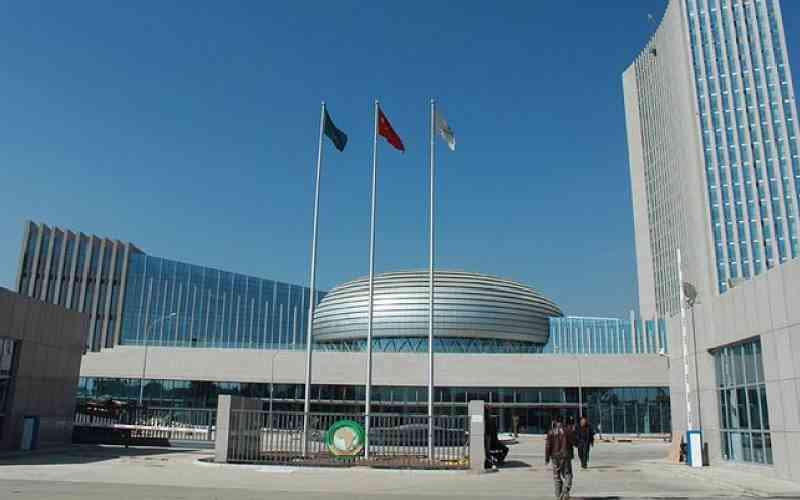
African nations have since independence operated within a global system they did not participate in designing, one that often undermines their agency and development. The African nation-states continue to battle internal governance issues, corruption and conflicts. The post Second World War liberal international order built on principles of market capitalism, secular individualism and democracy were presented to the continent not as an optional framework but as a singular dogmatic path to legitimacy and development. The unfolding geopolitical shift towards a multipolar world calls for Africa to step out of its traditional role as a passive adapter and become an active creator of its own political, economic and cultural future.
The liberal world order imposed on Africa assumed dogmatic one-size-fits-all ideals. What was originally supposed to be a competitive, adaptable school of thought took on a messianic evangelical momentum with little regard for local context, and traditions. It fueled erosion of trust as Africa was relegated to a supplier of raw materials and remained marginally connected to global trade at only 4 per cent even though it's home to 17 per cent of the global population.
Subscribe to our newsletter and stay updated on the latest developments and special offers!

 Prefer the Standard on Google







 join
join