×

The Standard e-Paper
Fearless, Trusted News
 The Standard Group Plc is a
multi-media organization with investments in media platforms spanning newspaper
print operations, television, radio broadcasting, digital and online services. The
Standard Group is recognized as a leading multi-media house in Kenya with a key
influence in matters of national and international interest.

Audio By Vocalize
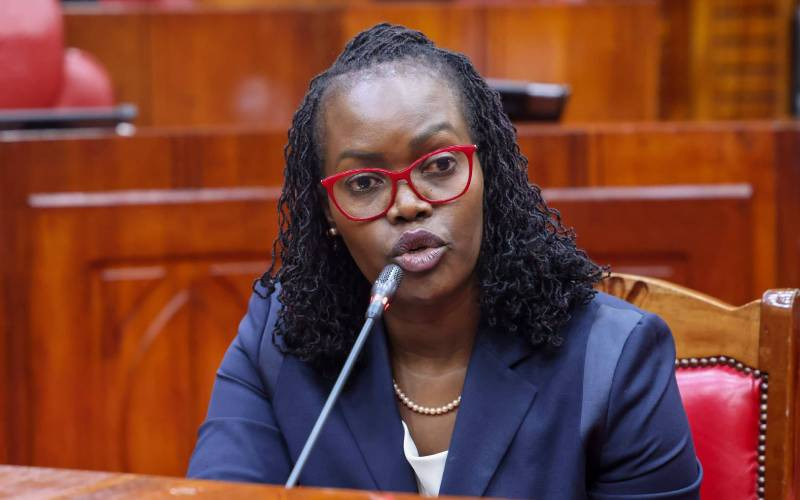
Data Commissioner nominee Lydia Sitienei Chelagat has pledged tougher enforcement of Kenya’s data protection laws, proposing sweeping public awareness campaigns and new safeguards against the unauthorised filming and broadcasting of religious services.
Appearing before the National Assembly Committee on Communication, Information and Innovation, Chelagat said the Office of the Data Protection Commissioner (ODPC) must move beyond regulatory compliance and cultivate a national culture in which citizens understand and exercise their constitutional right to privacy.
The nominee, who is seeking to succeed outgoing founding Data Commissioner Immaculate Kassait, identified weak public awareness, inadequate institutional capacity and gaps in enforcement as key challenges that require urgent attention.
She told the committee, chaired by Dagoretti South MP John Kiarie, that if approved, she would prioritise evidence-based investigations, transparent decisions and consistent application of the Data Protection Act.
“The public intersects with the office through complaint handling and determinations. It is therefore important that decisions are grounded in law, proper investigations and evidence,” she said.
Chelagat proposed that the ODPC publish its determinations on data protection violations to strengthen transparency and ensure organisations entrusted with personal information are held accountable for breaches.
She argued that enforcement should not end with receiving complaints but must demonstrate to data handlers and the public that violations attract consequences.
The nominee also raised concerns over the limited understanding of data protection rights among ordinary Kenyans, saying many citizens remain unaware of their entitlements when their personal information is collected, processed or shared.
To address the gap, she proposed taking privacy education to the grassroots through partnerships with county governments, local administration and other stakeholders.
She cited the Communications Authority's former Kikao Kikuu public engagement model as an example that could be adapted to bring awareness campaigns closer to communities.
However, she acknowledged that funding constraints could affect the implementation of the proposed programmes, suggesting partnerships, technical assistance and capacity-building initiatives as alternative ways of sustaining public education.
One of the more sensitive issues raised during the vetting concerned the filming and livestreaming of religious services, with Chelagat arguing that attending a place of worship does not mean an individual has surrendered their constitutional right to privacy.
She noted that religious beliefs and acts of worship constitute sensitive personal data under the Data Protection Act, requiring heightened protection.
The nominee proposed that the ODPC engage religious institutions, including the National Council of Churches of Kenya (NCCK), to develop guidelines governing the filming and broadcasting of church services.
Among the measures she suggested were designated camera-free zones within places of worship and restricting livestreaming to clergy and congregants who have consented to being filmed.
Stay informed. Subscribe to our newsletter
“Consent must be freely given, explicit and informed,” she argued, maintaining that congregants should not automatically be considered to have agreed to the publication of their images simply because they attended a religious gathering.
Her proposals come amid increased use of digital platforms by religious institutions to broadcast services to wider audiences, raising questions about how to balance religious activities, freedom of expression and individual privacy.
The committee also questioned her about potential conflicts of interest arising from her current position at the Communications Authority, particularly in matters involving telecommunications companies and subscriber information.
Chelagat maintained that the mandates of the two institutions were distinct but complementary, with existing collaboration and referral mechanisms providing a framework for cooperation.
She said she was unaware of any pending matter in her current office that would create an actual conflict of interest if appointed Data Commissioner.
However, she pledged to declare any conflict that might arise and recuse herself from related decisions in accordance with public service requirements.
On the relationship between privacy and the constitutional right of access to information under Article 35, she said neither right should be sacrificed in the process of enforcing the other.
She proposed closer collaboration between the ODPC and the Commission on Administrative Justice to ensure requests for information are handled without exposing sensitive personal details or violating individual privacy.
Chelagat further called for Kenya's data protection framework to reflect local realities and protect African interests, including traditional knowledge and cultural information.
Subscribe to our newsletter and stay updated on the latest developments and special offers!


 Prefer the Standard on Google