×

The Standard e-Paper
Smart Minds Choose Us
 The Standard Group Plc is a
multi-media organization with investments in media platforms spanning newspaper
print operations, television, radio broadcasting, digital and online services. The
Standard Group is recognized as a leading multi-media house in Kenya with a key
influence in matters of national and international interest.
The Standard Group Plc is a
multi-media organization with investments in media platforms spanning newspaper
print operations, television, radio broadcasting, digital and online services. The
Standard Group is recognized as a leading multi-media house in Kenya with a key
influence in matters of national and international interest.

Audio By Vocalize
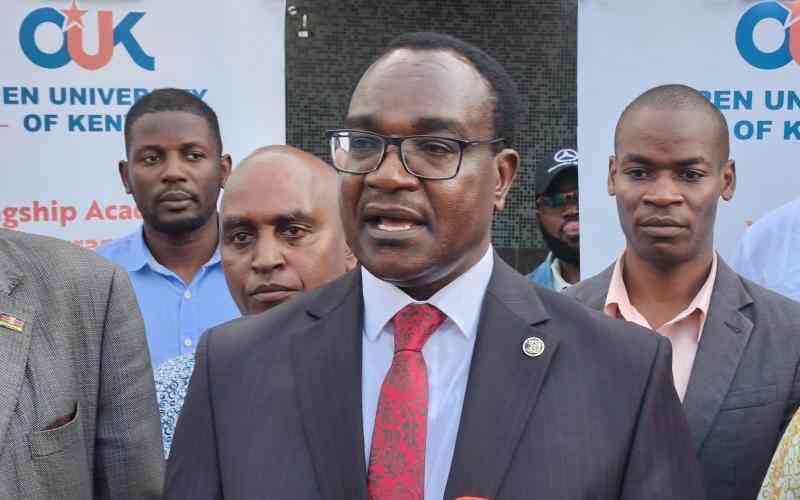
Education Cabinet Secretary Julius Ogamba has said the government is working to expand access to tertiary education by changing how students are financed, with a proposed new framework awaiting parliamentary approval.
Ogamba said the government was pursuing reforms aimed at ensuring students admitted to universities, technical and vocational education and training (TVET) institutions and other tertiary institutions can access funding for their studies.
He said the proposed Tertiary Education Placement and Funding Bill would provide a new framework for financing students, adding that the government was committed to ensuring financial constraints do not prevent eligible students from pursuing higher education.
The Bill is currently before Parliament and proposes changes to the administration of tertiary education placement and funding.
For now, first-time university students and TVET trainees continue to have their funding applications processed under the existing Student-Centred Funding Model. The government recently extended the application deadline for first-time applicants to September 21, 2026, after receiving 789,422 applications by August 31.
Ogamba spoke on Friday, September 18, during the University of Nairobi graduation ceremony, where more than 3,000 students graduated.
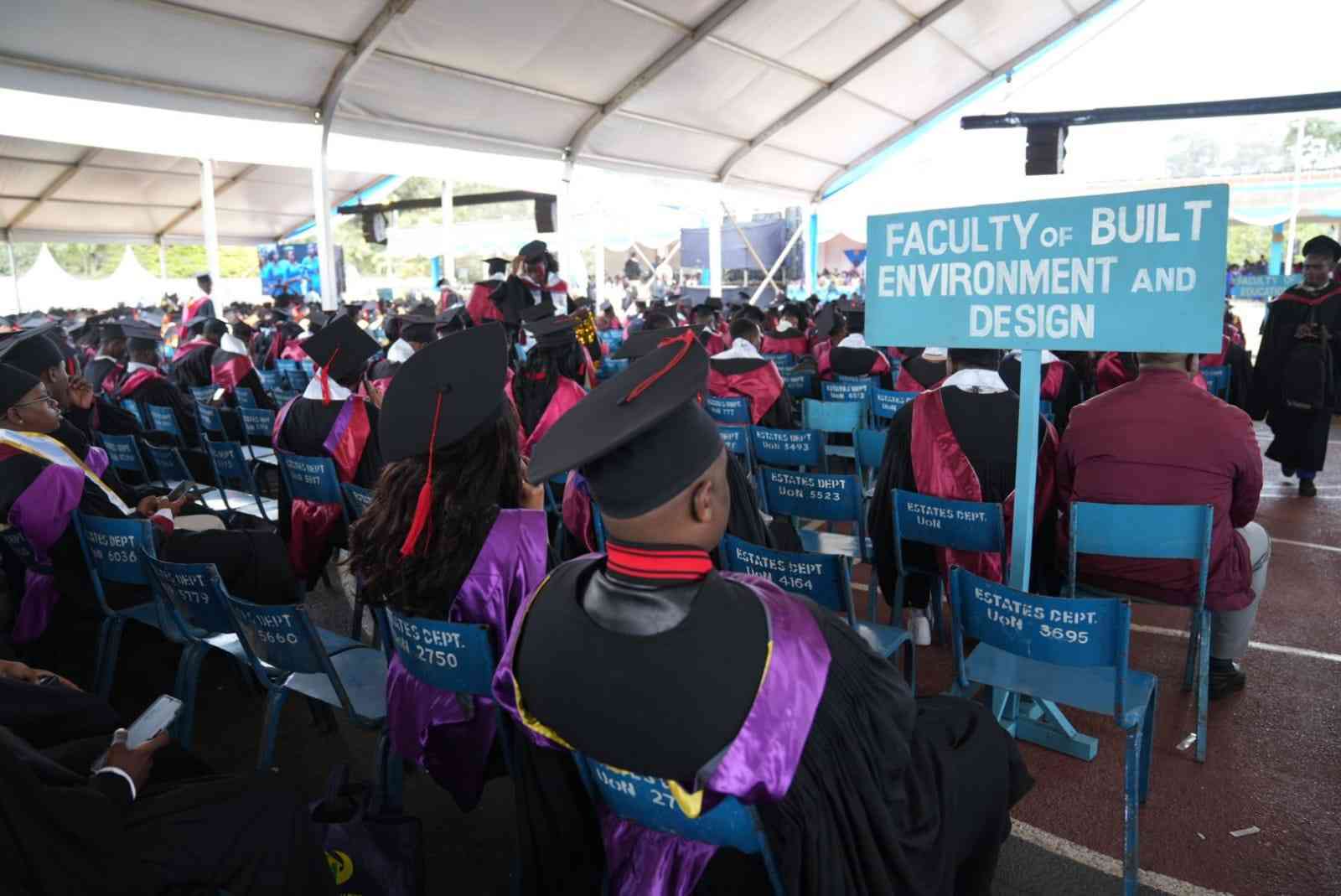
The CS urged the graduates to apply their skills beyond seeking employment, saying the changing nature of work requires adaptability, continuous learning and innovation.
He cited developments in artificial intelligence, automation, and climate change as factors reshaping the labour market and requiring graduates to update their skills continually.
"Artificial intelligence, automation, climate change, these demand critical thinking, continuous learning, and adaptability,” Ogamba said.
University of Nairobi Chancellor Patrick Verkooijen described the graduates' entry into the workforce as coming at a time when Kenya and other countries face economic, geopolitical and development challenges.
He challenged the graduates to question limitations placed on them and use their knowledge to contribute to society.
The university's Vice Chancellor, Ayub Gitau, outlined the institution's priorities, including student welfare, digital transformation, research and innovation, infrastructure development and stronger engagement with alumni.
Subscribe to our newsletter and stay updated on the latest developments and special offers!


 Prefer the Standard on Google









 join
join