×

The Standard e-Paper
Smart Minds Choose Us
 The Standard Group Plc is a
multi-media organization with investments in media platforms spanning newspaper
print operations, television, radio broadcasting, digital and online services. The
Standard Group is recognized as a leading multi-media house in Kenya with a key
influence in matters of national and international interest.
The Standard Group Plc is a
multi-media organization with investments in media platforms spanning newspaper
print operations, television, radio broadcasting, digital and online services. The
Standard Group is recognized as a leading multi-media house in Kenya with a key
influence in matters of national and international interest.

Audio By Vocalize
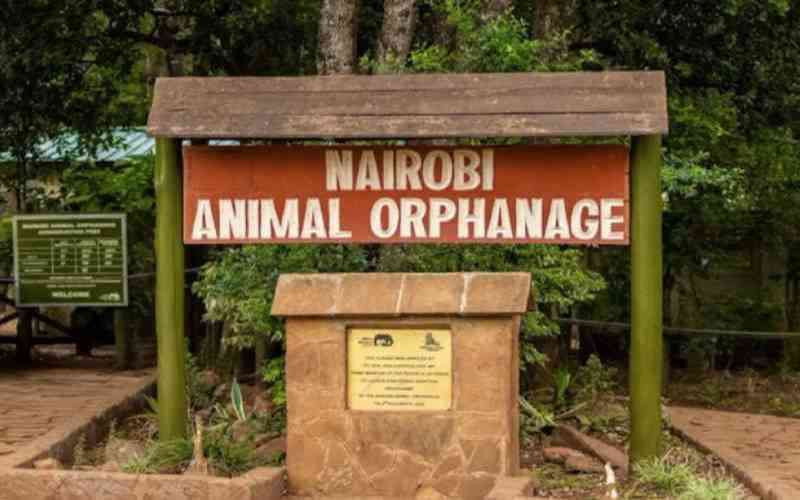
Nairobi Animal Orphanage. [File Courtesy]
The Kenya Wildlife Service has announced the relocation of the Nairobi Animal Orphanage (NAO) to 89 acres of land opposite Bomas of Kenya.
According to KWS, the move is due to the increasing number of wild animals needing rescue and rehabilitation services on the current facility that occupies 7.4 acres.
Speaking on Friday during a media briefing at the KWS headquarters in Nairobi, Director General Erustus Kanga said the growing number of injured, orphaned, rescued and confiscated wild animals brought to the orphanage has stretched the facility’s capacity.
Kanga noted that the existing orphanage has outlived its intended purpose and can no longer adequately meet the increasing demand for wildlife care.
“The orphanage continues to serve as a vital centre for wildlife conservation, education and rehabilitation, but the increasing demand for its services requires enhanced capacity,” he said.
The services said that out of the 89 acres, 81 acres will be used for wildlife conservation activities and the remaining 8 acres for rescue and rehabilitation operations. Adding that the upgraded facility is expected to accommodate up to 20,000 visitors on peak days, compared to the current capacity of 17,000.
The DG said the construction will take one and a half years at an estimated cost of Sh 3 to 4 billion.
He further assured the public that the upgraded facility will still belong to KWS and will not be privatised, adding that the construction of the new facility will include public participation.
” The new upgraded orphanage will not have metallic cages as we have now, which are not internationally recommended, but natural cages,” he noted.
While addressing the environmental concerns, the DG stated that the decision was made after careful consideration and consultation,assuring that no indigenous forest will be cut.
He also said that the rise of human-wildlife conflict, coupled with a rise in wildlife rescue operations, has contributed to the decision to relocate and expand NAO. He further argued that the move is aimed at strengthening wildlife conservation efforts, financial sustainability while enhancing visitor experience.
Subscribe to our newsletter and stay updated on the latest developments and special offers!

 Prefer the Standard on Google