×

The Standard e-Paper
Fearless, Trusted News
 The Standard Group Plc is a
multi-media organization with investments in media platforms spanning newspaper
print operations, television, radio broadcasting, digital and online services. The
Standard Group is recognized as a leading multi-media house in Kenya with a key
influence in matters of national and international interest.

Audio By Vocalize
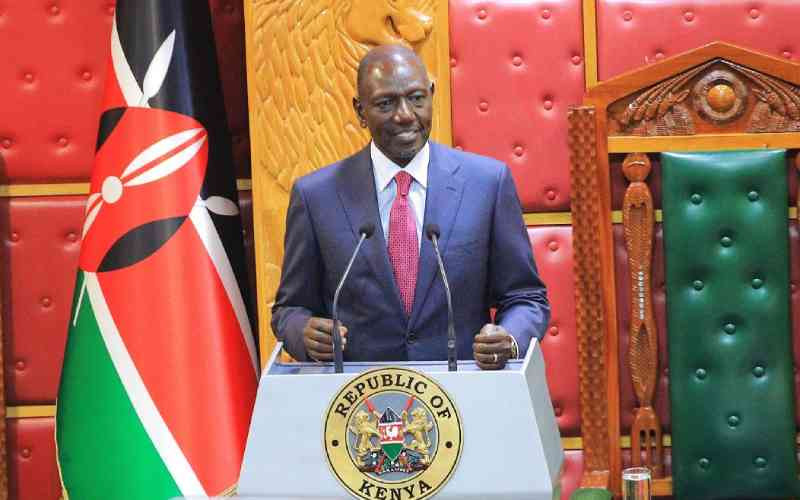
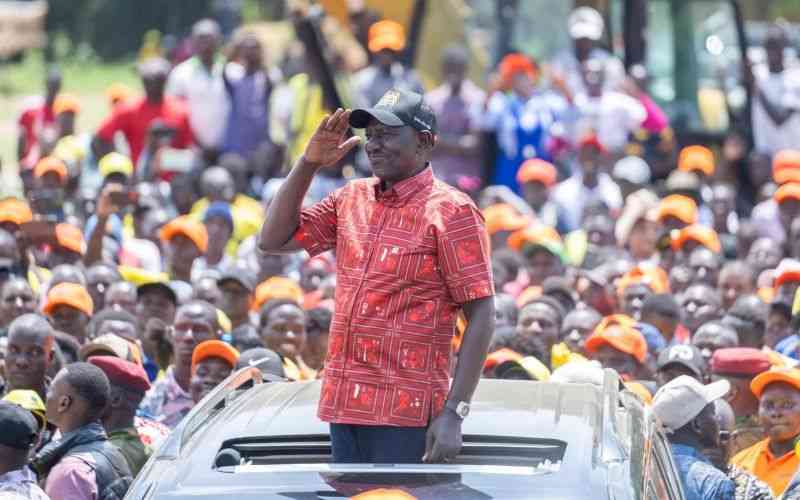
On Wednesday, President William Ruto built his fourth State of the Nation address around one word: Usawa, or equity. He told of Veronica, a small-scale farmer from Gatundu whose kidney transplant, costing nearly a million shillings, was covered by the Social Health Authority.
He spoke of the road to Mandera, through towns that have never had tarmac. A Kenyan in Mandera, he said, must have the same claim to national development as one in Nairobi. That aspiration deserves applause.
Yet after more than 80 minutes, the President handed three reports to the Speakers. The first, on progress in realising our national values, received one sentence and a round of applause.
That report should be the heart of the occasion. Article 132(1)(c)(i) does not ask the President to account for a manifesto. It asks him to report every year on the values in Article 10, among them patriotism, national unity, devolution, the rule of law, participation, equity, human rights, integrity, transparency, accountability and sustainable development. Equity is one value among many. Our politics treats the list like an à la carte menu, embracing the values that can be photographed and passing over those that restrain power.
The cost was visible within hours. On TV, almost every figure was disputed. As I argued in April, Kenyans have moved from “wait and see” to “verify and doubt”. When the state does not report credibly on transparency and accountability, citizens stop believing even its good numbers. Values are what make the economic report believable.
Suba North MP Millie Odhiambo, who sits in the broad-based arrangement, captured the tension on JKL Live. She welcomed new roads in her long-marginalised constituency, then said: “I have no clue what we think the value is in abductions.” You can cut a ribbon on a road. You cannot pave over a deficit in the rule of law.
Part of the problem is the values report itself. Last year’s edition runs to more than 600 pages compiled from 498 institutional submissions. It scores activity, not outcomes. The Prisons Service is credited with promoting human dignity by providing inmates with uniforms.
Printing a county appropriations act counts as enhancing devolution. The 2024 protests, in which young people died, appear chiefly as one sentence on a compensation framework. The word “abduction” does not appear. A report too long to read and too thin to measure cannot be a speech. It becomes a ritual.
Three changes would help. First, adopt a few fixed indicators for each value group, reported identically each year: court orders obeyed, police misconduct cases charged, county funds released on time, audit queries resolved, contracts and their variations published.
Second, verify them independently through the Auditor-General, the Kenya National Bureau of Statistics and the human rights and gender commissions, and publish governance audits on receipt. Third, let both Houses debate the report within 60 days, and let next year’s address open with what Parliament found.
Roads and hospitals matter, and Usawa is a worthy goal. But a republic is not held together by concrete alone. The state of a nation lies in its growth, and also in whether it keeps the promises it made to itself in 2010.
-The writer is a consultant in governance.
Subscribe to our newsletter and stay updated on the latest developments and special offers!

 Prefer the Standard on Google