
 The Standard Group Plc is a multi-media organization with investments in media
platforms spanning newspaper print
operations, television, radio broadcasting, digital and online services. The
Standard Group is recognized as a
leading multi-media house in Kenya with a key influence in matters of national
and international interest.
The Standard Group Plc is a multi-media organization with investments in media
platforms spanning newspaper print
operations, television, radio broadcasting, digital and online services. The
Standard Group is recognized as a
leading multi-media house in Kenya with a key influence in matters of national
and international interest.

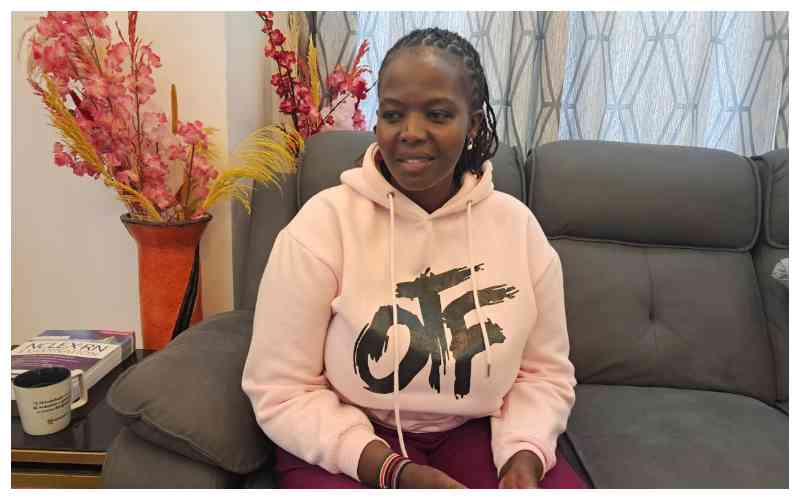
When the call came for Kenyan health workers to volunteer in the fight against Ebola, Zeddy Chepchirchir Komen did not tell anyone."It was just like a calling for me," she recalls quietly.For weeks, she had watched television images of West Africa's worst Ebola epidemic. Entire families were being wiped out. Children were losing their parents. Health workers were dying alongside the patients they were trying to save.Then Kenya announced it was looking for volunteers to join the African Union Support to Ebola Outbreak in West Africa (ASEOWA) mission."I said, 'Let me try.' I didn't tell anyone. I applied, and I got in."In January 2015, Kenya dispatched 170 volunteer doctors, nurses and public health officers to Liberia and Sierra Leone, joining an international effort to stop the deadliest Ebola outbreak in history. Between 2014 and 2016, the epidemic spread across Guinea, Liberia and Sierra Leone, infecting more than 28,600 people and claiming more than 11,300 lives, according to the World Health Organisation (WHO).For frontline health workers like Komen, those figures represented far more than statistics; they reflected thousands of lives hanging in the balance and communities devastated by a virus that had overwhelmed fragile health systems.For Komen, then an energetic paediatric nurse, the decision felt straightforward. Her family saw it differently."My family members were really scared. People kept calling me, asking, 'What is wrong with you? Why are you going? Why are you leaving your children? Don't you know this disease is killing so many people?'"She reassured them. "I kept telling them, 'It's okay. I'll go and come back.'"But courage is often loud only until silence arrives. Thousands of feet above the African continent, aboard the flight to Liberia, fear finally caught up with her."There's something that happens when you're alone, and you're having a meeting with yourself."She thought about the two children she had left behind."I remembered them crying as I waved goodbye at Jomo Kenyatta International Airport. I kept reading the messages on my phone and asking myself, What if something happens and we don't come back? Who will take care of my children? Who will be there for my family?”Around her, the mood inside the aircraft had changed. People became quiet. Some were crying. Some were praying. Then the aircraft hit turbulence.
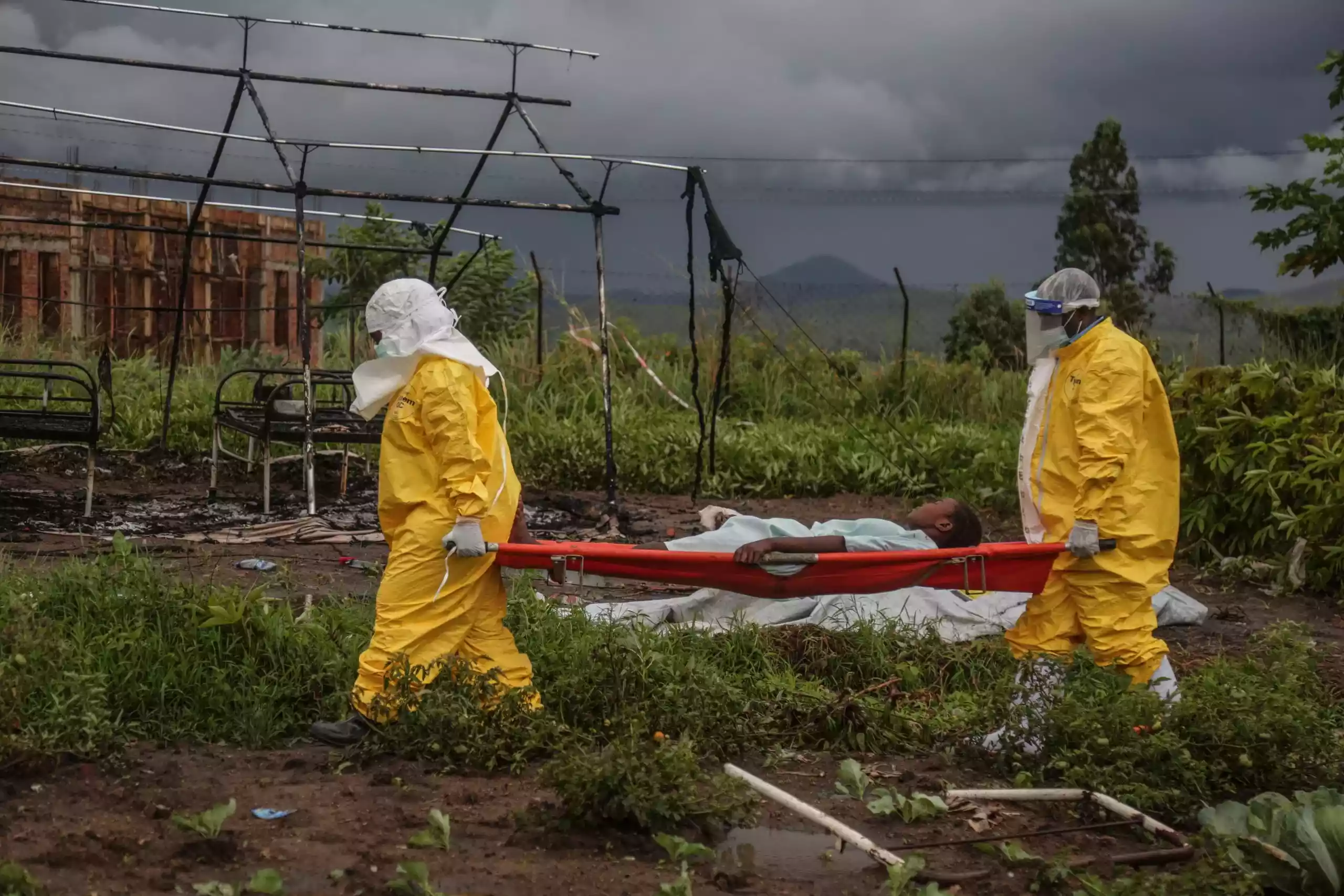
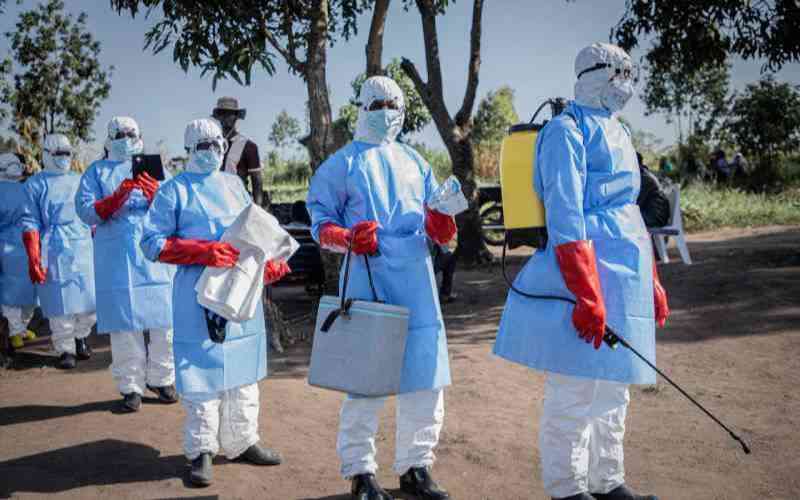
"There was very strong turbulence. We all prayed."It was only the beginning. Landing in Monrovia felt surreal.Because Liberia is three hours behind Kenya, darkness had fallen during the flight, only for daylight to greet them again as they landed."It wasn't clicking in my mind," she laughs.The airport itself was almost deserted."It was so silent. There was almost nobody."Government officials collected their passports before escorting the Kenyan team in buses on the 70-kilometre journey into the capital.Along the roadside, however, life continued."People were doing business. Others were walking around. We looked at each other and thought, maybe life is normal here."But one thing immediately stood out. Handwashing stations."They were everywhere outside homes, at kiosks, everywhere."Years before the COVID-19 pandemic made hand hygiene routine across the world, Liberia had already embraced it out of necessity."It was a culture shock for us."Nothing, however, prepared her for entering the Ebola Treatment Unit. Liberia's heat often climbed above 37 degrees Celsius.Inside multiple layers of protective equipment, every movement became exhausting."You were wearing this Personal Protective Equipment( PPE), and then you had to go inside the Emergency Treatment Unit (ETU ) and take care of patients."The suit protected her from infection. It also became a barrier between nurse and patient.Especially the children."I am a paediatric nurse. Children naturally want to be held. They want someone close to them. They want comfort."But in an Ebola ward, comfort could become fatal."You could touch them with gloves, but you couldn't hug them. You couldn't hold them the way a child needs to be held because your safety comes first."Many of the children she treated had already lost their parents."They were alone. They were helpless. They were crying."Those images remain with her today.
One patient still returns to her memory more than a decade later. The child was about five years old."He had severe diarrhoea."Back home in Kenya, treating such a child would have been routine. You know, hugs, playing with toys and probably singing along to Cocomelon ‘wheels on the bus goes round and round’… and Ms Rachel’s rhymes.But, Ebola changed everything."In normal circumstances I would hold the child, comfort them, insert an IV line, give fluids and continue caring for them."Inside the Ebola unit, every second increased the risk of infection. Health workers entered in pairs and were closely monitored.Time inside the treatment area was limited."You cannot stay longer than two hours. Most of the time we stayed less than one hour because of the heat and because of the PPE."The little boy needed far more than an hour."We managed to fix an IV line."But she wanted to do more."There was a banana there. I wanted to peel it and feed him."Instead, her observer/supervisor reminded her it was time to leave!"My colleague told me we had to move to the next patient."She walked away.The child died."At some point, I cried."Even now, years later, the memory remains painfully vivid."We've talked about it with colleagues. We've counselled each other because mental health is very important.""But some things in our work as professionals will never leave us."For health workers battling Ebola, every shift demanded an impossible balance. How do you comfort someone you cannot safely touch?How do you care for a frightened child while protecting yourself from one of the world's deadliest viruses?"The training made all the difference," she says.International organisations conducted intensive instruction on infection prevention and control, the proper use of personal protective equipment and safe patient care."Once people understood what they were supposed to do, they were able to remain safe while still providing care."Yet no amount of training could erase the emotional burden. Every patient represented another family.Watching the current Ebola outbreaks unfold in the Democratic Republic of the Congo and neighbouring Uganda brings back memories she wishes she did not have."I see the same panic.""I see the same delay in detecting the disease."She says misinformation and fear continue to fuel outbreaks, just as they did during West Africa's epidemic. Health workers remain under immense pressure."So many healthcare workers died back then. Patients were abandoned because people were afraid."Today's response, she says, faces an additional challenge."The insecurity in eastern DRC makes contact tracing and response extremely difficult."But she also believes preparedness remains one of Africa's greatest lessons."If healthcare workers are well prepared and infection prevention measures are followed, many infections can be prevented."The Ebola epidemic eventually ended. Komen returned home safely to Kenya, but not every part of her came back unchanged.
She thought about the little boy she could not comfort. The children who cried for parents who would never return, the impossible choice between compassion and survival. Those memories still surface."There are things that never leave you."More than a decade later, she remains proud of answering what she still describes as a calling.






 join
join