
 The Standard Group Plc is a multi-media organization with investments in media
platforms spanning newspaper print
operations, television, radio broadcasting, digital and online services. The
Standard Group is recognized as a
leading multi-media house in Kenya with a key influence in matters of national
and international interest.
The Standard Group Plc is a multi-media organization with investments in media
platforms spanning newspaper print
operations, television, radio broadcasting, digital and online services. The
Standard Group is recognized as a
leading multi-media house in Kenya with a key influence in matters of national
and international interest.

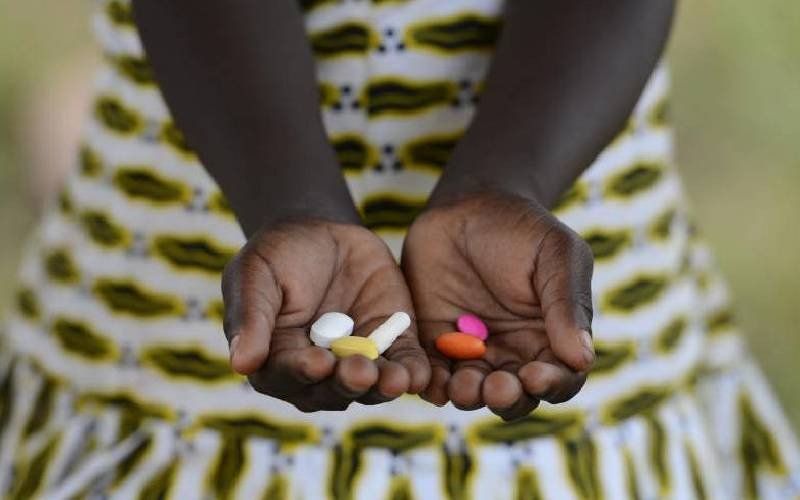
Results from a newly published study has highlighted the growing spread of drug resistance across 14 African countries, among them Kenya.
The analysis, known as the Mapping Antimicrobial Resistance and Antimicrobial Use Partnership, analysed data collected between 2016 and 2019 from 205 laboratories across 14 African countries to estimate antibiotic resistance rates. The results were published in June this year.
“In Africa, Antimicrobial resistance (AMR) rates are among the highest in the world; however, the scope of AMR burden remains unclear due to many African countries lacking sufficient AMR testing and reporting systems,” the study highlighted.
Antimicrobial resistance occurs when disease-causing germs become resistant to conventional medications, making infections harder to treat and increasing the risk of disease spread, severe illness, and death.
The study's results revealed a high level of antibiotic resistance in bacteria known to contribute to deaths and treatment challenges. The results also unearthed a lack of sufficient antimicrobial testing.
“The substantial variation in the ability to detect AMR across the 14 African countries warrants greater investments to increase patient access to diagnostic options and scale up AMR surveillance,” it warned.
The mapping was conducted in Burkina Faso, Cameroon, Gabon, Ghana, Kenya, Eswatini, Malawi, Nigeria, Senegal, Sierra Leone, Tanzania, Uganda, Zambia, and Zimbabwe.
Last month, the World Health Organisation warned that antimicrobial-resistant infections are causing more deaths globally, more than HIV/AIDS and malaria combined. The highest mortality rates are recorded in sub-Saharan Africa.
- Animal welfare group expands efforts to control rabies with new Watamu branch
- Revealed: Cerelac baby food contains high sugar levels
- Nipah virus revives pandemic fears, as Kenya risk termed low
- Eight habits every woman needs to stay strong, healthy and thriving
Keep Reading
The WHO Regional Director for Africa, Prof Mohamed Yakub Janabi said that antimicrobial resistance remains one of the most pressing global threats. He spoke during the celebrations of the World Antimicrobial Resistance Awareness Week.
“Each year, millions of lives are put at risk because medicines that once cured infections no longer work. Antimicrobial Resistance (AMR) is silently undermining decades of health progress,” Prof Janabi said.
He urged the stakeholders to act with urgency to address thes silent pandemic by strengthening health systems and ensuring sustainable food security, economic development and improving overall health and wellbeing.
“Antimicrobial Resistance is not just a health or medical issue, it is a complex, multisectoral, systems-based burden that affects everyone and all facets of our society and therefore calls for an all-of-society-based response,” he said in a statement.
“In our region, this is not a far-off crisis; it is here now and causing significant morbidity and mortality,” Prof Janabi warned.
WHO noted that inappropriate use of antimicrobials in humans and animals, coupled with continuous challenges in water, sanitation, and hygiene and limited diagnostic capacity, is accelerating the crisis across the continent.
Glance box
The study was a partnership between Africa Centres for Disease Control and Prevention (Africa CDC), the African Society for Laboratory Medicine (ASLM), One Health Trust, and other regional partners.












 join
join