
 The Standard Group Plc is a multi-media organization with investments in media
platforms spanning newspaper print
operations, television, radio broadcasting, digital and online services. The
Standard Group is recognized as a
leading multi-media house in Kenya with a key influence in matters of national
and international interest.
The Standard Group Plc is a multi-media organization with investments in media
platforms spanning newspaper print
operations, television, radio broadcasting, digital and online services. The
Standard Group is recognized as a
leading multi-media house in Kenya with a key influence in matters of national
and international interest.

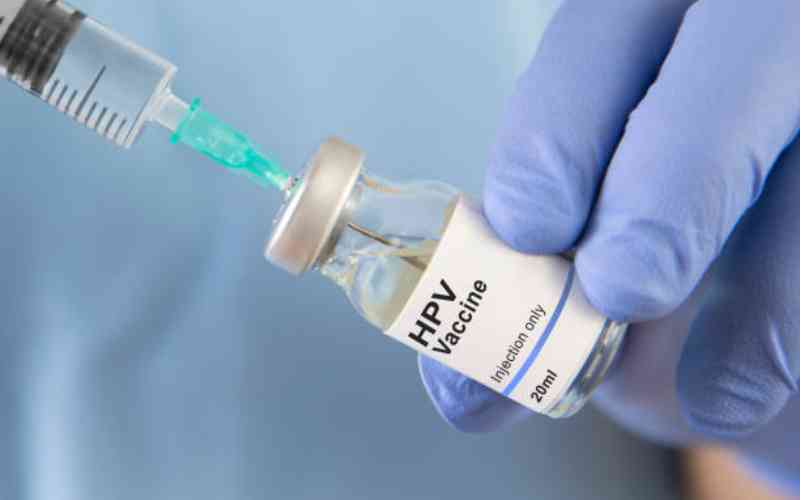
Cervical cancer should not still be taking Kenyan women in their most productive years. Yet it does; quietly, painfully, and often too late. The tragedy is not only the loss, but also that cervical cancer is one of the most preventable cancers.
Kenya is estimated to record about 5,845 new cervical cancer cases and 3,591 deaths in a year (2023). These are not just statistics, they represent mothers, daughters, colleagues, and friends, and families forced into difficult financial and emotional decisions.
As Cervical Cancer Awareness Month comes to an end, the key takeaway is clear. We must move from awareness to action. The virus behind cervical cancer, and the breakthrough that changed prevention.
Nearly all cervical cancer is caused by persistent infection with high-risk strains of the human papillomavirus (HPV). HPV is common, the immune system clears most infections, but when high-risk HPV persists, it can cause changes in the cervix that may develop into cancer over time.
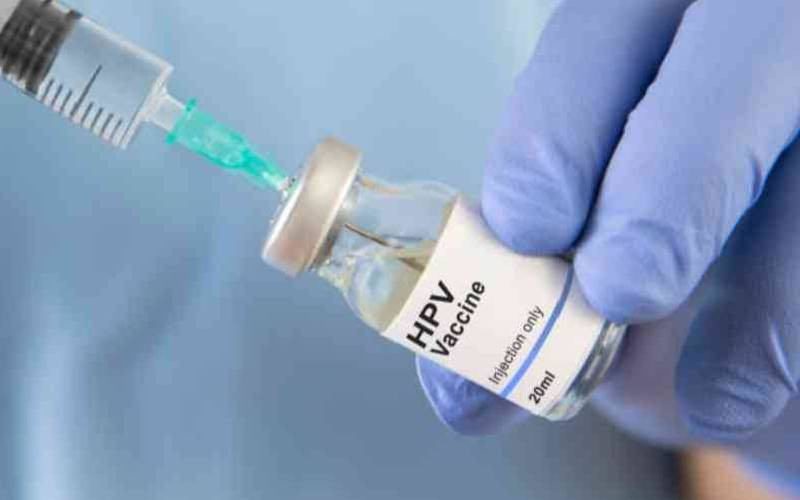
The HPV vaccine was a scientific breakthrough because it prevents the infection that starts the pathway to cancer. In plain terms, the vaccine “teaches” the immune system to recognise HPV early and block it, before it can do long-term harm.
HPV is also linked to other cancers (including cancers of the mouth/throat, anus, vulva, vagina and penis). So, vaccination is not only about protecting girls, but also about protecting communities. Sometimes Kenyans ask: Does it really work?
Globally, the evidence is no longer theoretical. Countries that introduced HPV vaccination earlier are already seeing major reductions in severe cervical disease and cervical cancer. This matters because it confirms the most important point: HPV vaccination prevents cancer.
Kenya introduced HPV vaccination into routine immunisation in 2019. But in a major step forward, Kenya transitioned to a single-dose HPV vaccination schedule in November 2025, following global evidence reviewed by WHO’s immunisation experts.
- HPV self-testing set to revolutionise cervical cancer detection in Kenya
- State rolls out five-year plan to fight cervical cancer
- Why Kilifi residents are rejecting HPV vaccination
- WHO says four out of every 10 cancer cases are preventable
Keep Reading
This shift is not a small administrative change, it is a practical life-saving advantage. One dose means fewer missed second appointments, fewer transport challenges, less disruption for parents, and simpler delivery through schools and facilities. In public health, the easiest programme is often the most effective programme. This is why the move to a single dose HPV vaccine matters. It is also why action is needed now.
For parents and guardians of girls aged 10 to 14, this is a critical window. If your daughter is in this age group, HPV vaccination should be treated like any other essential childhood vaccine. It is a protection decision made today.
This is why the WHO’s cervical cancer elimination strategy rests on three pillars: 90 percent of girls vaccinated by age 15, 70 per cent of women screened by age 35 and again by 45 and 90 per cent of those with disease treated.
The insurance sector and employers can accelerate progress by reducing friction. Screening and precancer treatment should be covered with clear and simple access.
Reminders through SMS or WhatsApp can normalise screening. School based and workplace health days can link vaccination, screening, and referrals. Partnerships with counties and healthcare providers can bring services closer to communities.
Prevention is compassionate. It is economically sound. It protects families from catastrophic health costs and protects health systems from avoidable long-term strain.
Cervical cancer elimination is achievable within a generation if we do the basics consistently. Vaccinate girls. Screen women. Treat disease early. One dose can change a life. One generation can change a country.
-Chief Operating Officer, Jubilee Health Insurance










 join
join