
 The Standard Group Plc is a multi-media organization with investments in media
platforms spanning newspaper print
operations, television, radio broadcasting, digital and online services. The
Standard Group is recognized as a
leading multi-media house in Kenya with a key influence in matters of national
and international interest.
The Standard Group Plc is a multi-media organization with investments in media
platforms spanning newspaper print
operations, television, radio broadcasting, digital and online services. The
Standard Group is recognized as a
leading multi-media house in Kenya with a key influence in matters of national
and international interest.

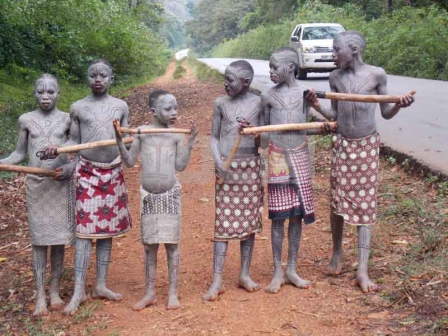
In August, blood must be shed. Young foreskins have to come under the knife. There shall be blood.
Male circumcision is one rite of passage that goes beyond initiation into manhood. Boys who faced the same knife were brothers, friends for life. The edge of the knife was like their sharp oath of allegiance, the blood shed binding ancestors and the living.
Circumcision songs rallied boys into warriors, and from boys to men were defenders of the community forged. With circumcision, they became made men.
But is taking boys for circumcision in hospitals, away from rituals of manhood making the transition meaningless? Can the rampant burning of boy’s schools to blame for this deficit in the sense of responsibility that circumcision imbued among initiates? How come fewer girl schools have been torched?
Are parents also to blame for ‘corrupting’ their boys into adulthood?
The Bukusu take circumcision ‘facing kumubano’ (the Knife)” seriously even in the face of some parents taking their boys for circumcision to hospitals in Nairobi and Nakuru before driving them to Bungoma or Trans Nzoia to join the cohort of initiates that shed their foreskins at a river bank so that they can benefit from ‘Khubita’ (circumcision lessons).
“This practice is gaining currency with modernity, but robs the boy of opportunity to fully share in his culture. Parents are growing selfish by cherry picking on the “khubita’ part where their sons are only taught life skills but avoid the knife,” said Charles Kitomini from Bungoma adding; “there are also many children aged between eight and 10 who are now circumcised, a phenomenon that beats logic of graduating into manhood, which circumcision is all about. During our days in the 1970s only those above 15 years were initiated.”
Mzee Peter Chemasuet from Mt Elgon, a region credited with pioneering circumcision among the Luhya, likens this nubile initiates to a learner going for bridging course.

“Missionaries misled us. They labelled our traditional circumcision devilish and introduced the medical type without any biblical backing because the circumcision in the Old Testament is Jewish and the New Testament has no support to any form of circumcision save for circumcision of the heart,” he said, adding that “We had parents who made their children skip the knife, but brought them for lessons fearing that their children could lose on important aspects of culture.”
Such parents are, however, fined and made to pay for the training by buying the boys and teachers in ‘chondoni’ food and liquor no matter the amount demanded.
A teacher at Namanje Primary in Bungoma says that the ‘boy superiority wars’ of who was circumcised in hospital and who faced the knife as man are today a thing of the past since “We table role models who went to hospital for the cut and are prosperous in life to kill this stereotype that affects concentration in class. Today many fear the traditional way because witchcraft has cropped in to the point that a boy can go there and be bewitched never to marry or become rich in life,” said Ignatius Wasike, the deputy head teacher at Namanje Primary.
The sponsor, mostly an elder relative, who escorted and took care of you during your healing process, was more than an sponsor, but a mentor, counsellor. The man who wielded the knife and chopped your foreskin was like a second father and the respect lasted a lifetime.




 join
join