×

The Standard e-Paper
Kenya’s Boldest Voice
 The Standard Group Plc is a
multi-media organization with investments in media platforms spanning newspaper
print operations, television, radio broadcasting, digital and online services. The
Standard Group is recognized as a leading multi-media house in Kenya with a key
influence in matters of national and international interest.

Audio By Vocalize
Kenya’s efforts to restore degraded landscapes could be undermined by poor access to quality tree seeds, with scientists warning that planting without considering seed sources, species suitability and future climatic conditions could compromise the survival of trees.
Successful restoration, experts argue, depends not only on the number of seedlings planted but also on whether the trees can withstand changing environmental conditions and support healthy ecosystems.
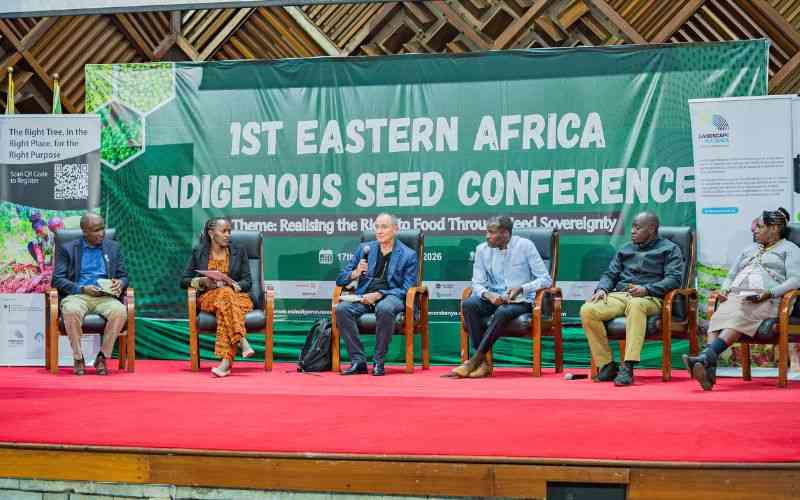
The warning emerged as the Eastern Africa Indigenous Seed Conference concluded in Nairobi, bringing together farmers, seed custodians, researchers, policymakers and conservation organisations to discuss the future of farmer-managed seed systems and indigenous biodiversity.
“The tree you plant today has to survive the climate of future years. And that depends on the seed you choose today,” said Sammy Carsan, an agroforestry specialist with the Landscape Alliance.
He explained that selecting appropriate seed sources requires consideration of a tree species’ characteristics, the environmental conditions of the planting area and the climate expected in coming years, as rising temperatures and unpredictable rainfall increasingly threaten restoration efforts.
The discussions raise questions about Kenya’s ambitious 15-billion-tree planting campaign. Beyond the number of seedlings planted, experts say, attention must also be paid to how many trees survive and whether they are suited to the places where they are planted.
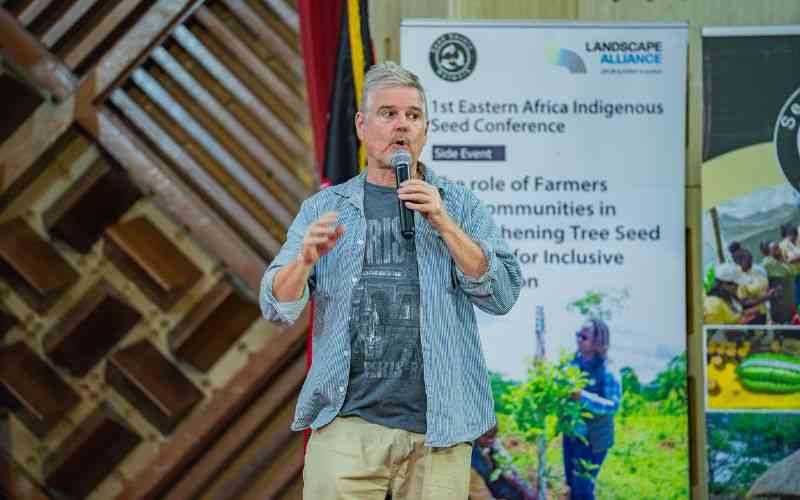
Roeland Kindt, a senior ecologist with the Landscape Alliance, said restoration programmes must match tree species and seed sources to the locations where they are intended to grow.
“The underlying principle is simple. We need to have the right tree in the right place, using the right seed source. And digital tools are helping us to do that,” he said.
Kindt demonstrated the Global Useful Native Trees database, known as GlobUNT, which provides information on useful indigenous tree species and helps identify their suitability for different locations and climatic conditions.
The need for reliable planting material is also informing work at Karura Forest, where the Landscape Alliance is partnering with Friends of Karura and the Kenya Forest Service under the RTRP Seeds Project to establish a multi-species breeding seed orchard.
Sylvia Buletti, an agroforestry scientist with the Landscape Alliance, said the project aims to secure a future supply of quality indigenous tree seeds for restoration practitioners.
The orchard will bring together different indigenous species, with seedlings raised at Karura’s nursery before being planted at the site. The project is also supporting the expansion of the nursery, which is expected to double its seedling production capacity.
Buletti explained that the initiative includes training nursery and orchard workers on seed collection and management, alongside improvements to infrastructure such as irrigation systems, nursery sheds and storage facilities.
She noted that the quality of seedlings begins with the seed source, warning that poor-quality seed can produce weak planting material and undermine restoration outcomes.
At Karura, the work is part of wider efforts to replace exotic eucalyptus and cypress trees with indigenous species, supporting biodiversity and restoring habitats for birds, insects and other wildlife.
Stay informed. Subscribe to our newsletter
Beyond their ecological value, indigenous trees also offer opportunities to improve household nutrition and generate income, particularly in rural communities.
A presentation at the conference highlighted the potential of combining fruit-bearing trees with annual crops to ensure households have access to different harvests throughout the year. Communities can identify suitable species based on local conditions and nutritional needs, while surplus produce can be sold to generate income.
Indigenous fruits can also contribute to addressing nutritional deficiencies, including shortages of vitamin A, iron, zinc, folic acid and vitamin C. Desert date, or Balanites aegyptiaca, was cited as one example of a tree whose fruit can provide nutrients and food during dry periods.
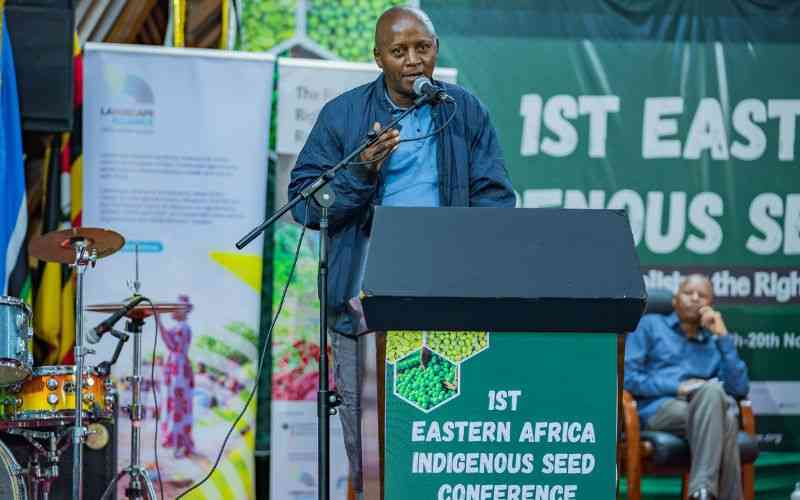
Paul Mwanza, chief executive and co-founder of Palma Mukuyuni Tree Nursery, said indigenous trees should also be viewed as an economic opportunity.
“You can generate income and create a business with indigenous trees, so it is something we should embrace,” he said.
However, experts cautioned that growing demand for indigenous fruits and other tree products must be matched with sustainable harvesting practices. Harvesting all fruits from trees such as baobab can leave little seed for natural regeneration, threatening the replacement of ageing trees.
The conference also highlighted the risk of losing traditional knowledge about indigenous species as younger generations move away from rural communities. Participants called for such knowledge to be documented and passed on before it disappears.
As Kenya pursues its restoration targets, experts argue that progress must be measured beyond the number of seedlings planted. The survival of trees, suitability of species and availability of quality seeds will be critical in determining whether planting efforts deliver lasting ecological and economic benefits.
Subscribe to our newsletter and stay updated on the latest developments and special offers!


 Prefer the Standard on Google