 The Standard Group Plc is a multi-media organization with investments in media
platforms spanning newspaper print
operations, television, radio broadcasting, digital and online services. The
Standard Group is recognized as a
leading multi-media house in Kenya with a key influence in matters of national and
international interest.
The Standard Group Plc is a multi-media organization with investments in media
platforms spanning newspaper print
operations, television, radio broadcasting, digital and online services. The
Standard Group is recognized as a
leading multi-media house in Kenya with a key influence in matters of national and
international interest.

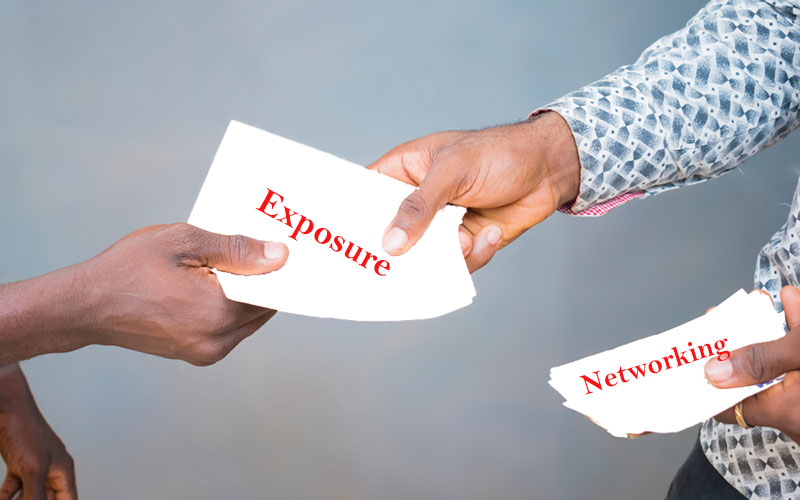
In early August, the Artcaffe coffee and bakery outfit was on the receiving end of online trolling after a campaign to redesign their takeaway coffee cups when awfully wrong. Via a widely-circulated twitter post, Artcaffe asked creatives to submit a design that was “beautiful, funky, inspiring, stylish, stunning, striking, capturing or illustrating what Nairobi means to you.”
However, instead of a monetary reward, the high-end restaurant chain offered to reward the winner with free coffee for a year and the chance to display their artwork at the establishment. After backlash, the restaurant sought to clarify that the free coffee was not the ultimate prize but the attempts to pacify irked netizens only seemingly made it worse. The PR nightmare prompted Artcaffe to introduce a cash price of Sh100,000 for the winner or the option of free coffee for a year. The incident sparked debate on the curse of creatives getting paid in exposure, more so by money-making companies.
READ ALSO: ArtCaffe announces new prizes for winners after outrage
Payment in exposure (PIE) is common in the creative realm; creatives, especially newbies are promised an intangible benefit like networking or free exposure in exchange for their work. Beginners tend to take on work for free or take less payment for reasons like building a portfolio; it also could be argued that many creatives do not know their worth as they have no idea of how to monetize their work. But it also highlight the fact that even corporates are yet to figure out compensation for creatives as it is an ever changing space. PIE transcends the creative industry as it has also become the norm in social media management.
In a bid to address the injustice, South Korea-based cartoonist Ryan Estrada created a twitter account in 2013 where tweeps highlight the practice:
— For Exposure (@forexposure_txt) August 22, 2020
— For Exposure (@forexposure_txt) August 20, 2020
— For Exposure (@forexposure_txt) August 15, 2020
— For Exposure (@forexposure_txt) August 5, 2020
Kenyan Creatives’ take on exposure
Art Space owner and curator Wambui Collymore, for instance, spoke out against the practice saying: “This is precisely why we need to stop using the words, ‘support art’. Art is made to be bought unless the artist offers to do it for free. Refusing to buy art actually kills the industry. Exposure is refusing to buy art. We don’t need exposure. We need investment in the arts.”
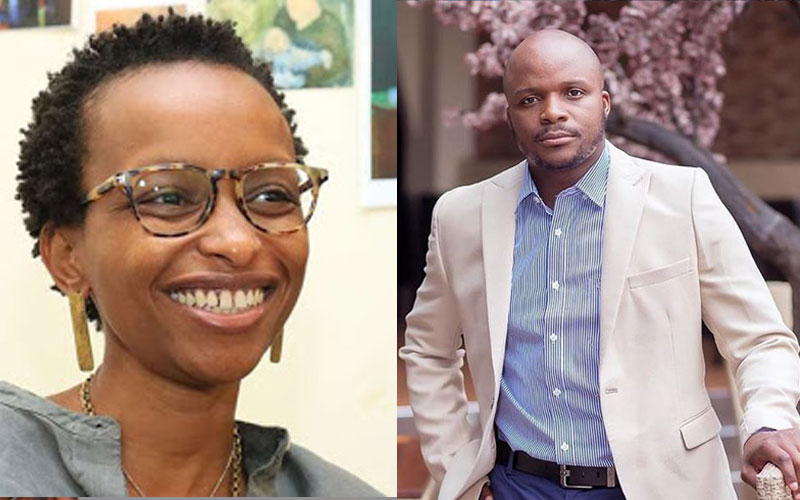
On the other hand, radio presenter and MC Felix Odiwuor alias Jalang’o supported the concept saying he is a product of exposure.
“I once or twice asked creatives to design my logos at Sh10,000 for the best; Sh10,000 is not even worth what they created for me but by posting their work, even many who did not win come back to me saying ‘from your posts I got jobs!’ Many creatives sometimes just need platforms to showcase their work and that's why if you were to organise a talent or creative search, millions of creatives will come out just to have that platform. I remember when starting at the theatre, our pay was just a packet of chips and greetings. That exposure got me to be seen, now I get paid for what I exposed! In 2010 Chris Kirwa gambled with me to MC the World Cup trophy tour at Nyayo stadium. That exposure got me a chance to MC at the World cup in South Africa! In short, I am a product of exposure!”
READ ALSO: Kenyan celebrities react to ArtCaffe ‘exposure’ competition
Cost involved
It could be argued that the benefits of exposure vary depending on the specific industry, but the creative process costs money. Often at times, creatives spend time and money studying, researching and purchasing software licences, their own bills withstanding.
Is it worth it?

The two different viewpoints expressed by Jalang’o and Mrs Collymore beg the question, is exposure worth it? While is important for artists to receive monetary compensation since they live off their work, in some instances, the gains from exposure cannot be dismissed. Before turning down or accepting a PIE offer, a creative must first determine whether or not it’s worth it.
For instance, if it’s a dream client who could provide a high level of exposure that could open doors, then it’s definitely worth it. Jalang’o’s case is a good example of exposure ultimately paying off. Another consideration could be whether it’s a one-time arrangement set to be followed up by paying work. However, this has to be put in writing and signed by both parties for accountability. Before embarking on a PIE arrangement, a creative should also find out if the audience their work is getting exposed to would pay for it or help launch their career.
Creatives are however urged to shy off working for exposure if it creates mores stress for them or they can make money on the same project elsewhere. Also, if the exposure won’t advance their career or align with their values, keep off. Ultimately, PIE should only be considered by creatives if it clearly leads to paying work or amplifies their career.
There are also other special circumstances when working for no financial benefit should be considered. For instance, in March, the United Nations (UN) issued a global call out to creatives to help stop the spread of COVID-19. In the first two weeks, an overwhelming 17,000 creative submissions were received from 143 countries including audio, written work, graphic design, music, animation and film.
Downside
But PIE comes with a downside as small businesses and freelancers are responsible for generating their own paychecks and working for exposure can kill profit margins. Ultimately, doing it often could lead to a failed business. Working for free or at a lower price drags down the value across the market as it creates the notion that the work doesn’t really matter. This also undermines one’s future earnings as it sets the rate for future business. Longterm, this also impacts other individuals demanding fair remuneration.
Way forward?
In a popular Facebook creatives’ group, one of the members suggested the drafting of a Bill to protect creatives from exploitation writing: I would rather we craft a bill that sets and industry rate that protects the creative from exploitation rather than one that makes it difficult for creatives to thrive.”




