×

The Standard e-Paper
Smart Minds Choose Us
 The Standard Group Plc is a
multi-media organization with investments in media platforms spanning newspaper
print operations, television, radio broadcasting, digital and online services. The
Standard Group is recognized as a leading multi-media house in Kenya with a key
influence in matters of national and international interest.

Audio By Vocalize
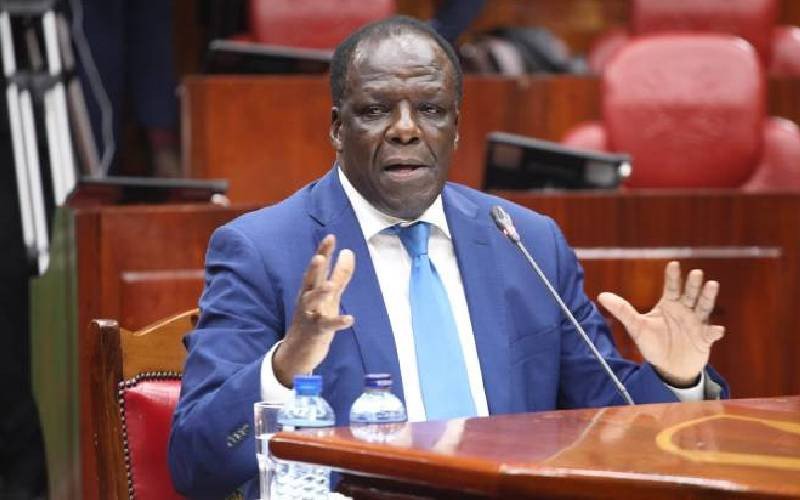
The National Integrity Alliance (NIA) has petitioned the Ethics and Anti-Corruption Commission (EACC) and the Office of the Director of Public Prosecutions (ODPP), demanding action following a High Court judgment that declared unconstitutional the decision to withdraw corruption related charges against former Kakamega Governor Wycliffe Oparanya and current cabinet secretary for cooperatives and MSM.
The alliance wants the two institutions to give effect to the judgment delivered on October 2, 2026, in Petition No. E004 of 2024 and ensure that fresh evidence in the matter is subjected to appropriate investigations before the ODPP makes an independent prosecutorial determination.
The petitions seek to clarify the steps both institutions intend to take following the court's findings, particularly its determination that the ODPP had considered fresh evidence without first referring it to the EACC for further investigation.
The National Integrity Alliance brings together Transparency International Kenya, the Institute for Social Accountability (TISA), the Kenya Human Rights Commission (KHRC) and Inuka Kenya Ni Sisi.
Speaking during the presentation of the petition at the EACC Integrity Centre, Inuka Kenya Ni Sisi Chief Executive Officer Dr Kawive Wambua said the alliance wanted to ensure that the court's findings translated into meaningful institutional action and respect for the rule of law.
Transparency International Kenya Executive Director Sheila Masinde outlined the background to the case, which arose after the ODPP reviewed its earlier decision to charge Oparanya with offences relating to conflict of interest, abuse of office, money laundering and conspiracy to commit an offence of corruption.
The decision to withdraw the charges was communicated to the EACC through a letter dated July 8, 2024, prompting a legal challenge over the exercise of prosecutorial discretion and the respective investigative and prosecutorial mandates of the two institutions.
In its October 2, 2026 judgment, the High Court declared the ODPP's decision irregular and unconstitutional, rendering it null and void, and issued an order of certiorari quashing the decision.
The court also found that the ODPP had usurped the EACC's investigative mandate by considering fresh evidence without first submitting it to the commission for further investigations.
Masinde said the findings were significant in clarifying the boundaries between the investigative responsibilities of the EACC and the prosecutorial mandate of the ODPP, emphasizing that fresh evidence in corruption related matters must undergo appropriate investigative scrutiny before being relied upon in prosecutorial decisions.
TISA Executive Director Diana Gichengo said the alliance considered it important that the judgment translate into concrete institutional action, arguing that a judicial finding of unconstitutionality should not simply be acknowledged without addressing its implications.
She noted that although the ODPP independently exercises its prosecutorial powers under Article 157(6) of the Constitution, those powers must be exercised with regard to public interest, the administration of justice and the need to prevent abuse of the legal process, as provided under Article 157(11).
Gichengo also cited Section 4 of the Office of the Director of Public Prosecutions Act, which requires the office to uphold natural justice, promote public confidence in its integrity, serve the cause of justice and promote constitutionalism.
She said fresh evidence must first undergo the appropriate investigative process to ensure that prosecutorial decisions are based on properly examined and verified information, while the EACC must discharge its distinct constitutional and statutory responsibility to investigate corruption and economic crimes.
Stay informed. Subscribe to our newsletter
Kenya Human Rights Commission Executive Director Davis Malombe said the alliance wanted the EACC to undertake investigations upon receiving the requisite referral and instructions from the ODPP.
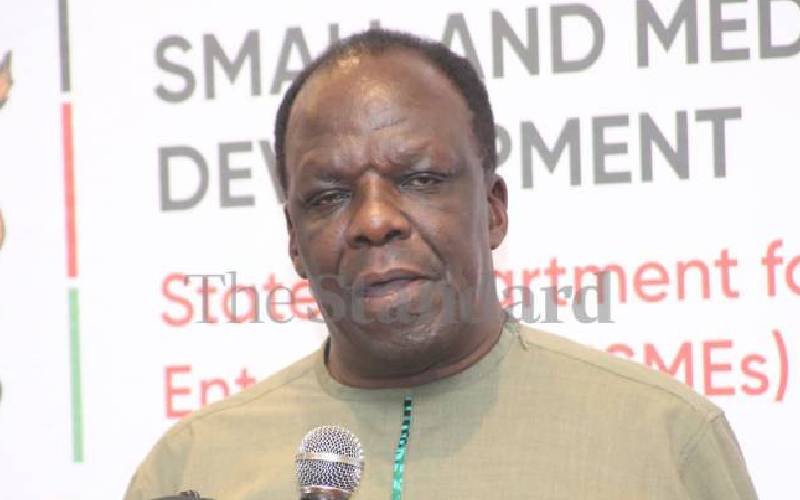
He said the commission should independently investigate and verify the fresh evidence in accordance with its constitutional and statutory mandate, without compromising the independence of either institution.
Malombe said the alliance recognized that the EACC and ODPP had distinct responsibilities and was seeking coordinated action within the Constitution without dictating the outcome of investigations or the prosecutorial process.
"Kenya's fight against corruption cannot be sustained through institutional pronouncements alone," Malombe said, calling for independent investigations, lawful prosecutorial decisions, respect for judicial authority and accountability by public institutions.
The alliance wants the EACC to provide a written update within 14 days of receiving the petition, outlining the status of its engagement with the ODPP and the steps taken or proposed within its mandate, subject to applicable legal restrictions.
Receiving the petition on behalf of the commission Stephen Karuga head of corporate affairs and communication EACC acknowledged receipt of the document saying the petition would be placed before the full commission for consideration and that its recommendations would be reviewed for appropriate action.
“There is a pending appeal in this matter. EACC will participate in the court process and we'll be filing our position in court. So, allow me not to mention that it would be preemptive, it would be sub judice,” said Stephen.
The alliance subsequently presented a separate petition to the ODPP, raising concerns over the prosecution agency's decision to file another notice of appeal against the High Court judgment.
The civil society representatives argued that the ODPP's constitutional responsibility was to advance public interest and the administration of justice, rather than take actions that could frustrate accountability in cases involving allegations of corruption.
Dr Wambua challenged the ODPP to remember that it is a public institution established to serve Kenyans, arguing that its responsibility should be to pursue individuals who might otherwise evade accountability because of their political or institutional positions.
He questioned the agency's failure to receive the petition directly from the delegation, saying public institutions must remain accessible and accountable to the taxpayers who finance their operations.
Wambua maintained that the ODPP should not use its constitutional authority to shield individuals facing corruption allegations but should ensure that such allegations are properly investigated and prosecuted where the evidence warrants.
Gichengo also questioned the use of public resources to pursue another appeal against the judgment instead of directing institutional efforts towards strengthening investigations and prosecution of corruption cases.
"How dare you use our taxpayers to file another appeal instead of using our resources to prosecute corruption?" she posed.
She warned that corruption had consequences extending beyond individual court cases, linking the loss of public resources to unemployment, growing public debt and challenges affecting essential services such as education and healthcare.
She argued that resources lost through corruption could otherwise be invested in job creation, improved public services and development programmes that directly benefit ordinary Kenyans.
"Fix corruption, not egos and personalities," Gichego said.
In its petition to the ODPP, the alliance outlined five key demands that includes implementation of the High Court judgment; formal referral of the fresh evidence to the EACC for further investigations and verification; facilitation of appropriate investigative scrutiny; an independent prosecutorial determination upon receipt of the investigative findings; and a written account of the steps taken or proposed within 14 days.
The alliance wants the ODPP to independently assess the findings of further investigations and institute criminal proceedings against Oparanya if the evidence supports prosecution.
The representatives further invoked Article 157(11) of the Constitution, which requires the ODPP to exercise its powers with regard to public interest, the interests of the administration of justice and the need to prevent and avoid abuse of legal processes.
The alliance said its involvement in the matter dates back to July 2024, when the ODPP communicated its decision to withdraw the earlier charges against Oparanya. It recalled raising concerns during the parliamentary vetting of Cabinet Secretaries in 2024, when it submitted an affidavit and petition to Parliament highlighting the unresolved case.
The organizations subsequently pursued the matter through the courts, where they joined the EACC in challenging the ODPP's decision. The case was heard afresh after a respondent challenged the initial proceedings on grounds that he had not been served and had therefore not been given an opportunity to be heard.
Following the fresh hearing, the High Court again found the ODPP's decision unconstitutional and ruled that the office had usurped the EACC's investigative mandate.
National Integrity Alliance says the latest petitions are intended to ensure that both institutions discharge their respective constitutional responsibilities and that the matter proceeds through the criminal justice system without unnecessary delays maintaining that respect for the rule of law must be demonstrated through practical institutional action, with judicial findings translating into accountability, investigations proceeding independently and prosecution following where the evidence warrants.
Subscribe to our newsletter and stay updated on the latest developments and special offers!


 Prefer the Standard on Google