×

The Standard e-Paper
Stay Informed, Even Offline
 The Standard Group Plc is a
multi-media organization with investments in media platforms spanning newspaper
print operations, television, radio broadcasting, digital and online services. The
Standard Group is recognized as a leading multi-media house in Kenya with a key
influence in matters of national and international interest.
The Standard Group Plc is a
multi-media organization with investments in media platforms spanning newspaper
print operations, television, radio broadcasting, digital and online services. The
Standard Group is recognized as a leading multi-media house in Kenya with a key
influence in matters of national and international interest.
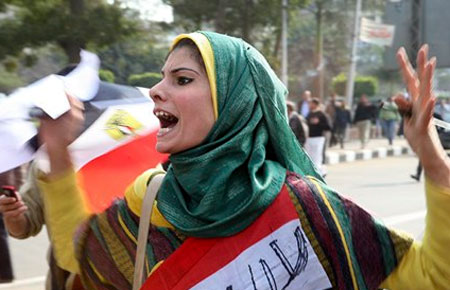 |
| Egyptian women were prominent in the demonstrations against former president Hosni Mubarak in Cairo's Tahrir Square from the start. |
EGYPT: Egyptian women were at the heart of the revolution that toppled president Hosni Mubarak. Their contribution ranged from work in the labour movement to a female journalist breaking taboos by suing the government for harassment. They walked shoulder to shoulder with men as the Egyptian population demanded the fall of the regime, as did the people of Tunisia, Libya and Yemen. Yet nearly three years later, a poll from the Thomson Reuters Foundation has declared Egypt the worst country for women in the Arab world. So, did the Arab spring lead to a regression of women's rights in the region – and particularly in Egypt, as the report suggests?
Egyptian women have certainly been politically marginalised in this post-revolutionary period. The male-dominated military in charge of the transitional phase eradicated the quota for women's representation in parliament, which reduced female members from 64 to nine, and it did not include any women in the constitutional review committee. The police also targeted female political demonstrators, going as far as stripping them naked in the street and urging molestation by thugs. They introduced virginity tests for women arrested during political demonstrations. The message was clear: women should go home and leave politics to the men.

Subscribe to our newsletter and stay updated on the latest developments and special offers!










 join
join