×

The Standard e-Paper
Home To Bold Columnists
 The Standard Group Plc is a
multi-media organization with investments in media platforms spanning newspaper
print operations, television, radio broadcasting, digital and online services. The
Standard Group is recognized as a leading multi-media house in Kenya with a key
influence in matters of national and international interest.
The Standard Group Plc is a
multi-media organization with investments in media platforms spanning newspaper
print operations, television, radio broadcasting, digital and online services. The
Standard Group is recognized as a leading multi-media house in Kenya with a key
influence in matters of national and international interest.

Audio By Vocalize
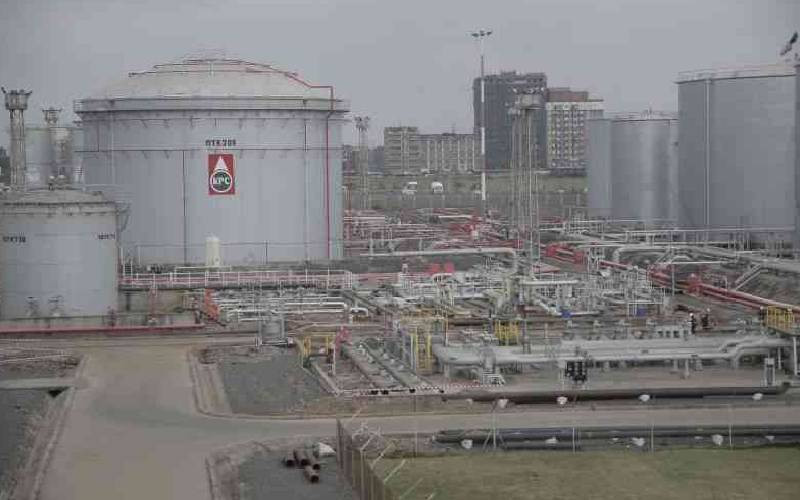
Kenya is looking to dislodge Tanzania as Rwanda’s main fuel transit route following a new agreement signed on Monday.
The Kenya and Rwanda agreement will enable the landlocked country to use Kenya Pipeline Company’s (KPC) network of pipelines and storage tanks for the importation of fuel to Rwanda.
The agreement sets Kenya on a path to reclaim a lost market for its petroleum logistics sector, reversing a shift made more than a decade ago when Rwanda rerouted its imports through Tanzania.
Oil marketers in Rwanda currently import about 90 per cent of fuel through Tanzania’s Central Transport Corridor, with Kenya accounting for the balance of about 10 per cent.
Rwanda has however, recently signed a Government-to-Government agreement with Oman, with the State-owned Rwanda National Energy Company (RNEC) now expected to be the key importer of fuel using the Kenyan route following the agreements signed yesterday.
To further entice Rwanda to shift from Tanzania, KPC has extended the duration that RNEC-owned products can stay within the KPC storage systems to 90 days, from the current 35 days for other oil companies.
Kenya’s Cabinet Secretary for Energy and Petroleum Opiyo Wandayi said the framework signed on Monday will significantly grow the transit fuel products passing through Kenya.
“Petroleum products to Rwanda transiting through this corridor are set to grow more than 10 fold from 50,000 cubic metres per year currently to over 500,000 cubic metres per annum,” said the CS, adding that the maiden cargo under the framework is expected in Mombasa between September 4 and 6.
“Kenya will provide a transit environment to guarantee security of supply of bulk refined petroleum products to Rwanda for the long haul. The volumes are set to grow more than tenfold. But the numbers are not the endgame; what this represents for our two nations is deeper economic integration that will serve the East African Community and the Great Lakes Region for several decades to come."
Wandayi, alongside Rwanda’s Minister of Trade and Industry Antoine-Marie Kajangwe witnessed the signing of the agreements between KPC and RNEC in Nairobi.
“Today marks a turning point for Rwanda’s energy future. For years, we have worked alongside our Kenyan partners to build a framework that guarantees our people reliable, affordable and secure access to petroleum products,” said Kajangwe.
“We look forward to welcoming the first cargo in September as the beginning of a long and prosperous journey together.”
Kenya has in the past tried to woo importers of fuel to Rwanda, but Tanzania appeared to prevail over time as landlocked countries such as Rwanda and the Democratic Republic of Congo shifted to the central corridor, citing concerns including efficiency at the Port of Mombasa.
KPC yesterday admitted to having pursued Rwanda for a long time and in the new arrangement, KPC said it had approved an extension of petroleum storage period for super petrol and diesel from 35 days to 90 days for Rwanda-bound cargoes for the first two years. This, KPC said, would make Rwanda’s import volumes as cost-effective as possible from the outset.
Stay informed. Subscribe to our newsletter
“Over the past decade, KPC PLC, with the support of the Ministry of Energy and Petroleum and EPRA, has relentlessly pursued this market, deploying all possible strategies. We found ourselves serving only 10 per cent or less of Rwanda's market demands,” said Pius Mwendwa, acting managing director of KPC.
Subscribe to our newsletter and stay updated on the latest developments and special offers!


 Prefer the Standard on Google









 join
join