×

The Standard e-Paper
Smart Minds Choose Us
 The Standard Group Plc is a
multi-media organization with investments in media platforms spanning newspaper
print operations, television, radio broadcasting, digital and online services. The
Standard Group is recognized as a leading multi-media house in Kenya with a key
influence in matters of national and international interest.
The Standard Group Plc is a
multi-media organization with investments in media platforms spanning newspaper
print operations, television, radio broadcasting, digital and online services. The
Standard Group is recognized as a leading multi-media house in Kenya with a key
influence in matters of national and international interest.

Audio By Vocalize
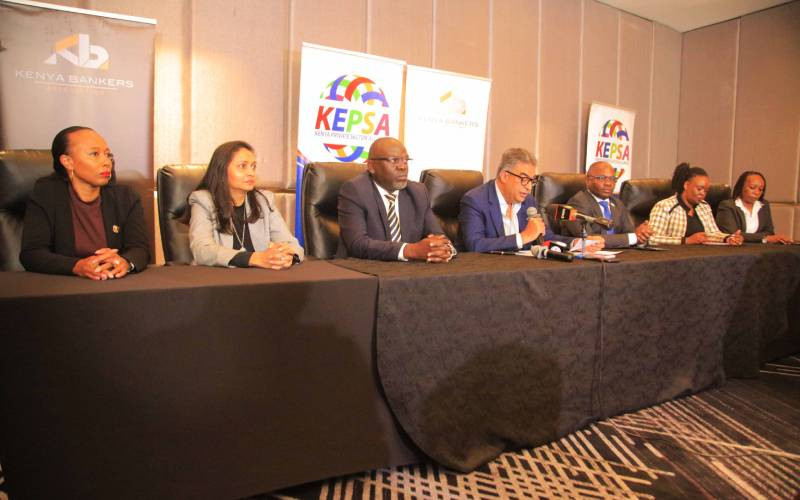
KEPSA Chair Dr Jas Bedi (centre) flanked by KAM CEO Tobias Alando and KBA CEO Raimond Molenje during stakeholder talks on the Finance Bill 2026 at Glee Hotel, Kiambu Road, May 25, 2026. [Elvis Ogina, Standard]
Kenya’s private sector is pushing for a five per cent reduction in Pay as You Earn (PAYE) taxes across all income bands, saying the proposal would stimulate economic growth, increase household spending, and create jobs.
Speaking during a press briefing, Kenya Private Sector Alliance (KEPSA) chairperson Jas Bedi said the recommendation was part of submissions made to Parliament’s Finance and National Planning Committee during discussions on the Finance Bill 2026.
According to KEPSA, workers have experienced declining purchasing power due to inflation and rising statutory deductions, including the housing levy and Social Health Insurance Fund contributions.
“We are proposing amendments to the income tax structure so that the maximum PAYE rate is capped at 30 per cent instead of the current 35 per cent. We also want the personal tax relief increased to Sh3,000 to effectively create a tax-free threshold of Sh30,000,” Bedi said.
The alliance estimates that the proposed tax relief would inject about Sh28.1 billion into the economy by increasing disposable income for workers and taxpayers.
Raimond Molenje, the Chief Executive Officer of the Kenya Bankers Association (KBA), said the proposal should be viewed as a strategy for economic expansion rather than a tax giveaway.
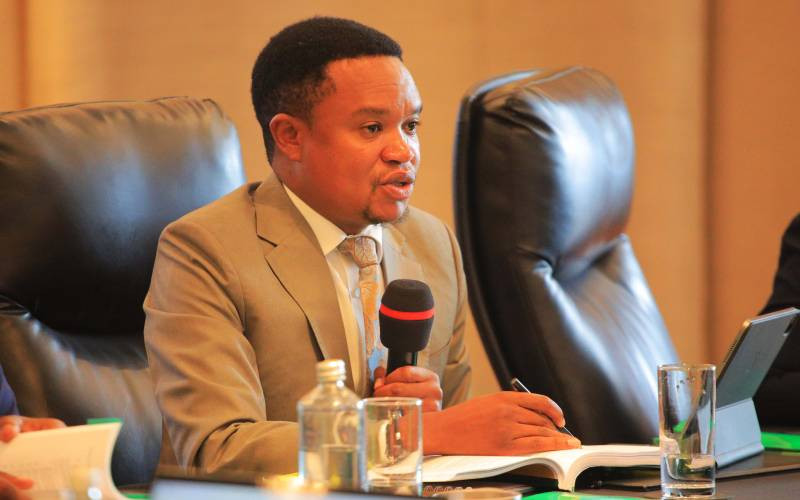
“In the private sector, we are seated here as partners to the government. The 5 per cent reduction in PAYE will release Sh28.1 billion into the economy, and that amount will expand economic activity significantly,” Molenje said.
He added that increased disposable income would improve access to credit and support borrowing by households and businesses, potentially unlocking up to Sh140 billion in loans within the first year.
The private sector projects that the broader economic expansion generated by the tax relief could increase Kenya’s Gross Domestic Product by approximately Sh210 billion in the first year.
KEPSA further estimates that expanded economic activity would generate between Sh27 billion and Sh33 billion in additional tax revenues through indirect taxes and business growth, helping offset the initial reduction in PAYE collections.
Business leaders also said the proposal could create up to 36,000 jobs in the first year if consumer spending rises.
They argued that stronger purchasing power is essential to reviving sectors such as manufacturing, retail, and agriculture, which have faced slowing demand amid rising living costs.
The Finance Bill 2026 is currently under review by Parliament’s Finance and National Planning Committee before being tabled in the National Assembly.
Stay informed. Subscribe to our newsletter
Subscribe to our newsletter and stay updated on the latest developments and special offers!


 Prefer the Standard on Google









 join
join