×

The Standard e-Paper
Fearless, Trusted News
 The Standard Group Plc is a
multi-media organization with investments in media platforms spanning newspaper
print operations, television, radio broadcasting, digital and online services. The
Standard Group is recognized as a leading multi-media house in Kenya with a key
influence in matters of national and international interest.

Audio By Vocalize

A promising business idea may attract customers, but it will not necessarily convince a bank to lend. For Kenyan entrepreneurs seeking financing, the more important question is whether their businesses can generate enough cash to repay the money borrowed.
This is increasingly shaping how banks assess small and medium-sized enterprises (SMEs), with lenders looking beyond business proposals to examine financial records, cash flows, management structures and the ability to sustain loan repayments.
CIB Kenya Chief Executive Officer Tirus Mwithiga says banks are primarily interested in the capacity of a business to service debt rather than the enthusiasm or ambition behind an entrepreneur's idea.
“Banks lend against your ability to repay, not just your enthusiasm,” Mwithiga said during a Kenya Bankers Association (KBA) online discussion on identifying and financing business opportunities on Friday, October 30.
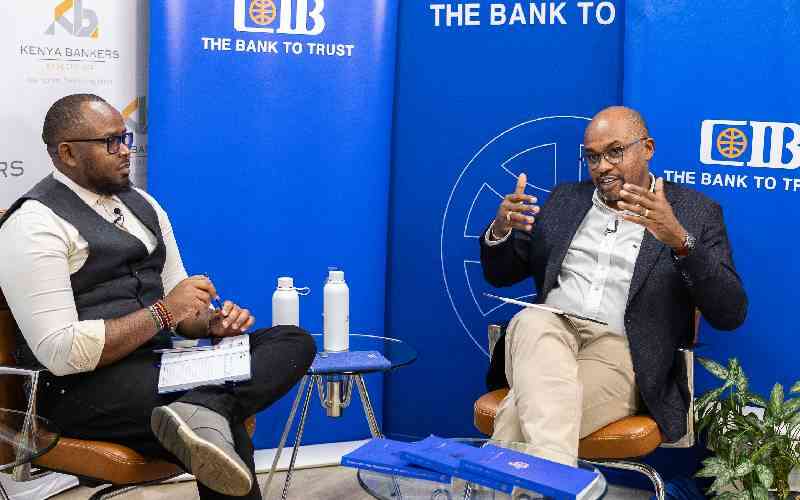
He said entrepreneurs seeking credit must demonstrate how their businesses make money, manage operating expenses and generate sufficient cash to meet their financial obligations.
For SMEs, this requires maintaining accurate financial records, separating personal finances from business accounts and understanding how much money flows into and out of the enterprise.
A business owner who cannot clearly account for revenue, expenditure and profitability makes it difficult for a lender to establish whether the enterprise can sustain additional debt.
Mwithiga said having a viable business idea was only the starting point. Entrepreneurs must also understand their target markets, identify the costs of operating in those markets and demonstrate how their ventures will generate consistent income.
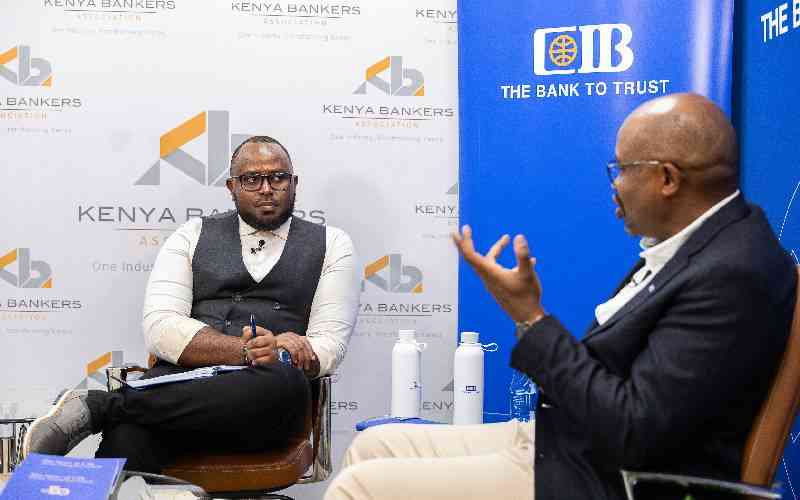
He urged business owners to formalise their operations as they expand, establish effective management systems and recruit people with the skills required to manage different aspects of their enterprises.
The emphasis on repayment capacity comes against a backdrop of growing recognition that conventional collateral requirements are not the only route through which smaller businesses can access bank financing.
The KBA's State of the Banking Industry Report 2026 shows that 73.4 per cent of outstanding micro, small and medium-sized enterprise (MSME) credit was uncollateralised as of December 2025.
The lending was spread across 1.26 million loans held by 707,211 borrowers, highlighting the extent to which banks are extending credit without conventional collateral.
Stay informed. Subscribe to our newsletter
The figures suggest that lenders are increasingly relying on other measures of creditworthiness, including business cash flows and repayment histories, when making lending decisions.
However, inadequate collateral, poor credit scores and difficulties meeting repayment obligations continue to constrain access to financing for many small businesses.
For entrepreneurs who qualify, Mwithiga cautioned against borrowing beyond their actual business requirements, warning that excessive debt can place unnecessary pressure on operations and undermine the ability to repay.

“Borrow to the need that you have,” he said, advising entrepreneurs to match the amount borrowed with the specific activities or investments the financing is intended to support.
He also emphasised the importance of repayment discipline, saying businesses that meet their loan obligations on time gradually establish a credit history that can improve their chances of securing additional financing.
“By all means, borrow what you need, pay it quickly because that track record starts to build your credit profile. It starts to build confidence about your business,” he said.
Beyond repayment discipline, Mwithiga encouraged entrepreneurs to build relationships with their banks before making loan applications.
Mwithiga maintained that engaging relationship managers early can help business owners understand lending requirements, identify gaps in their financial management and establish whether their enterprises are ready for credit.
Subscribe to our newsletter and stay updated on the latest developments and special offers!


 Prefer the Standard on Google