×

The Standard e-Paper
Join Thousands Daily
 The Standard Group Plc is a
multi-media organization with investments in media platforms spanning newspaper
print operations, television, radio broadcasting, digital and online services. The
Standard Group is recognized as a leading multi-media house in Kenya with a key
influence in matters of national and international interest.
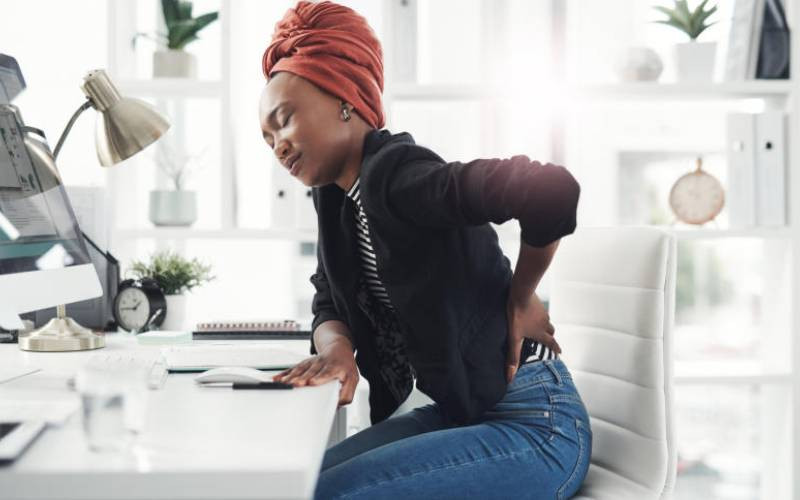
In the landscape of modern occupational health, a silent crisis has emerged. Despite more than a decade of awareness surrounding the so-called "sitting disease", sedentary behaviour remains a primary contributor to chronic metabolic and musculoskeletal disorders. As occupational demands continue to evolve, there must be a deliberate shift from high-intensity interventions to a more sustainable model known as micro-restoration.
Current clinical data suggest that prolonged static posture, common in both remote and office environments, leads to more than localised physical discomfort. It triggers a cascade of physiological stressors, including reduced insulin sensitivity, decreased oxygenation of cerebral tissues and increased production of stress hormones. The traditional model of "compensatory exercise", intense physical activity performed at the end of a sedentary day, while beneficial, does not fully reverse the metabolic stagnation that occurs during eight hours of inactivity. Micro-breaks during the working day are, therefore, a vital preventive measure.
Subscribe to our newsletter and stay updated on the latest developments and special offers!

 Prefer the Standard on Google