×

The Standard e-Paper
Kenya’s Boldest Voice
 The Standard Group Plc is a
multi-media organization with investments in media platforms spanning newspaper
print operations, television, radio broadcasting, digital and online services. The
Standard Group is recognized as a leading multi-media house in Kenya with a key
influence in matters of national and international interest.

Audio By Vocalize

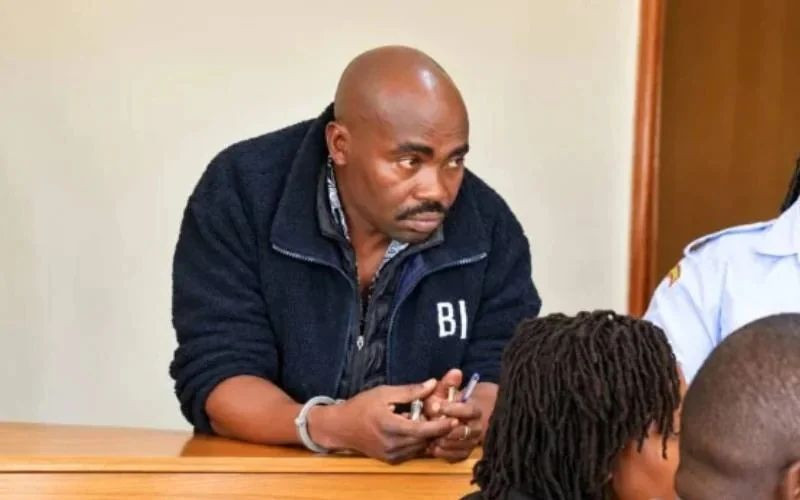
Former Chief Justice David Maraga and the Pan African Solidarity Network (PASNet) have condemned the conviction of Tanzanian opposition leader Tundu Lissu, demanding his immediate release and far-reaching reforms to restore the rule of law in Tanzania.
The calls came on Friday, November 6, after Tanzania's High Court acquitted the CHADEMA party leader of treason charges but convicted him of incitement, sentencing him to four years in prison.
Lissu had spent 577 days in detention before the ruling.
In a statement, PASNet argued that Lissu had been convicted of an offence he had not been charged with and had therefore been denied an opportunity to defend himself.
The network called on Tanzanian authorities to set aside the conviction and grant him unconditional freedom, while ensuring he receives independent specialist medical care.
It also demanded the release of other detained opposition figures, including CHADEMA's John Justine Pambalu and Coletha Ntidyicha.
"The judiciary must cease acting as an arm of the executive branch," PASNet said, calling for constitutional and judicial reforms to safeguard judicial independence and protect political freedoms.
The organisation further urged the United Nations, African Union and African Commission on Human and Peoples' Rights to establish an independent international commission of inquiry into alleged extrajudicial killings, enforced disappearances and human rights violations during and after Tanzania's October 2025 election crisis.
Maraga, in a separate statement, also criticised the prosecution of Lissu, arguing that the treason case lacked a credible legal foundation.
He maintained that political dissent, peaceful assembly and calls for an electoral boycott to demand constitutional reforms could not constitute treason.
"The evidence presented by the state failed entirely to meet the threshold of proof beyond a reasonable doubt," Maraga said.
He also criticised what he described as a growing pattern of using treason and terrorism charges to remove opposition leaders and government critics from political participation across East Africa.
Beyond Lissu's case, the former Chief Justice called for a new constitution in Tanzania, arguing that previous reform initiatives had demonstrated the need for structural changes to the country's governance and legal systems.
He cited recommendations by the 2023 Criminal Justice Reform Commission, led by retired Chief Justice Mohamed Chande Othman, and the Constitutional Review Commission led by former Prime Minister Joseph Warioba between 2012 and 2014.
The former CJ urged President Samia Suluhu Hassan to engage the opposition in pursuing constitutional reforms, saying Tanzania should not have to experience further bloodshed to achieve political change.
Stay informed. Subscribe to our newsletter
Subscribe to our newsletter and stay updated on the latest developments and special offers!

 Prefer the Standard on Google