×

The Standard e-Paper
Smart Minds Choose Us
 The Standard Group Plc is a
multi-media organization with investments in media platforms spanning newspaper
print operations, television, radio broadcasting, digital and online services. The
Standard Group is recognized as a leading multi-media house in Kenya with a key
influence in matters of national and international interest.
The Standard Group Plc is a
multi-media organization with investments in media platforms spanning newspaper
print operations, television, radio broadcasting, digital and online services. The
Standard Group is recognized as a leading multi-media house in Kenya with a key
influence in matters of national and international interest.

Audio By Vocalize

African leaders are pushing for a greater role in shaping global rules for artificial intelligence (AI), arguing that the continent must have a voice in decisions that will affect its development, economies and public services.
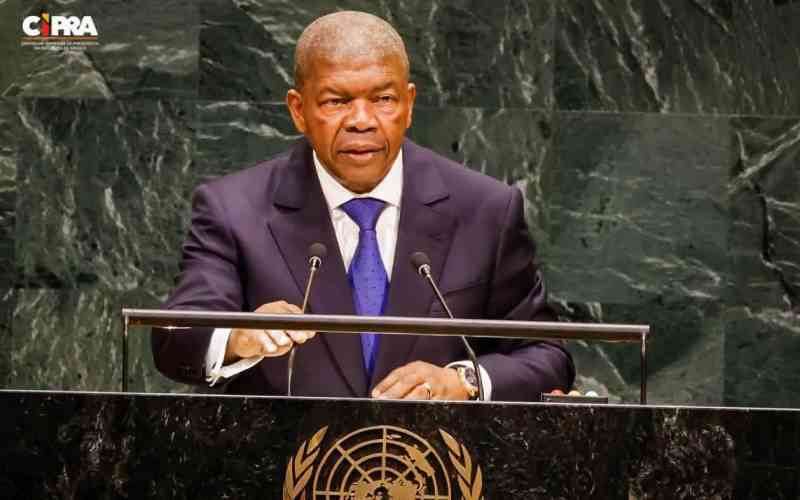
Angola President João Lourenço used his address to the 81st United Nations General Assembly on September 22 to call for greater African participation in decisions on global AI governance.
“The voice of Africans must be heard … in strategic decision-making on peace, global security, development financing, climate issues, as well as the global governance of artificial intelligence,” Lourenço said.
He said AI could transform education, healthcare, agriculture, public services, scientific research and productivity.
Lourenço linked the push to the UN’s Global Digital Compact, which was adopted in 2024 and calls for efforts to close digital divides and strengthen international governance of AI.
He also called for digital public infrastructure, stronger cybersecurity and AI governance that allows more countries to participate in the technology’s development.
The push reflects a wider concern among African countries that the continent risks becoming a consumer of AI systems and rules developed elsewhere despite holding resources needed for the global technology industry.
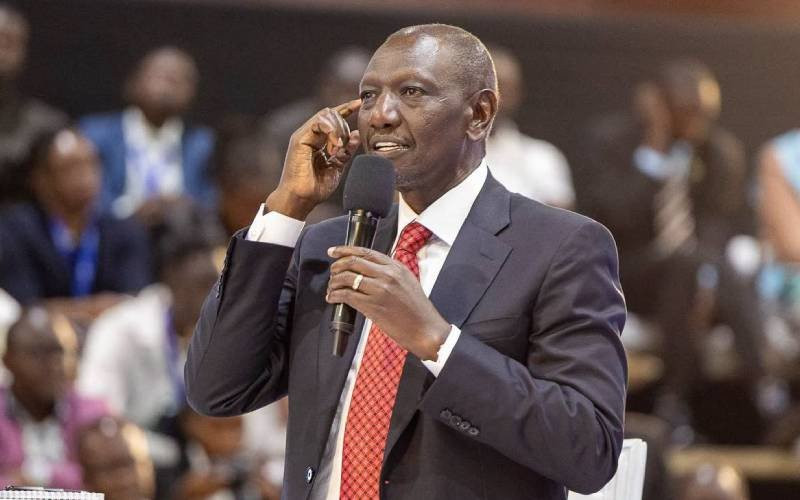
Kenya has raised similar concerns at the UN. President William Ruto told the General Assembly in 2024 that rapid technological advances, including AI, were widening global digital inequalities.
“Africa holds critical resources for the tech revolution yet receives disproportionately low benefits,” Ruto said.

Kenya has since called for developing countries to become “co-authors, not mere rule-takers” of emerging AI regulations. It has also pushed for interoperable standards, investment in regional AI and cybersecurity capacity and greater use of AI for peace and sustainable development.
Angola is seeking to support its position through investment in digital government systems.
The country moved from Group C to Group B in the World Bank’s 2025 GovTech Maturity Index, which assesses areas including government systems, digital services, citizen engagement and institutional capacity.
Angola is developing digital identity, electronic signatures and systems that allow government agencies to exchange information.
A Sh19.4 billion public digital infrastructure project is intended to enable government systems to exchange information securely and strengthen cybersecurity. The project forms part of a wider digital investment programme worth about Sh58.1 billion.
Rwanda has also presented digital technology as part of its development strategy.
Stay informed. Subscribe to our newsletter
President Paul Kagame told the UN General Assembly in 2022 that “the future is digital” while calling for equitable investment in emerging technologies including AI.
Kagame also warned that AI should benefit humanity rather than manipulate behaviour or undermine democracy.
Rwanda is developing digital infrastructure, identity and interoperability systems, with major projects targeted for completion by 2027.
The debate has gained momentum as governments discuss who controls data, who develops AI systems and how citizens will be protected as the technology spreads.
The first UN Global Dialogue on AI Governance was held in Geneva in July 2026, adding to international efforts to establish common approaches to AI.
For African countries, the issue also centres on whether they have the computing capacity, infrastructure and skills needed to participate in developing AI systems rather than simply adopting technologies created elsewhere.
The Global Digital Compact provides a framework for closing digital divides while strengthening international cooperation on AI governance.
African governments are now seeking to turn that framework into a greater role in decisions that will shape the technology and its impact on the continent.
Subscribe to our newsletter and stay updated on the latest developments and special offers!


 Prefer the Standard on Google







 join
join