×

The Standard e-Paper
Stay Informed, Even Offline
 The Standard Group Plc is a
multi-media organization with investments in media platforms spanning newspaper
print operations, television, radio broadcasting, digital and online services. The
Standard Group is recognized as a leading multi-media house in Kenya with a key
influence in matters of national and international interest.
The Standard Group Plc is a
multi-media organization with investments in media platforms spanning newspaper
print operations, television, radio broadcasting, digital and online services. The
Standard Group is recognized as a leading multi-media house in Kenya with a key
influence in matters of national and international interest.

Audio By Vocalize
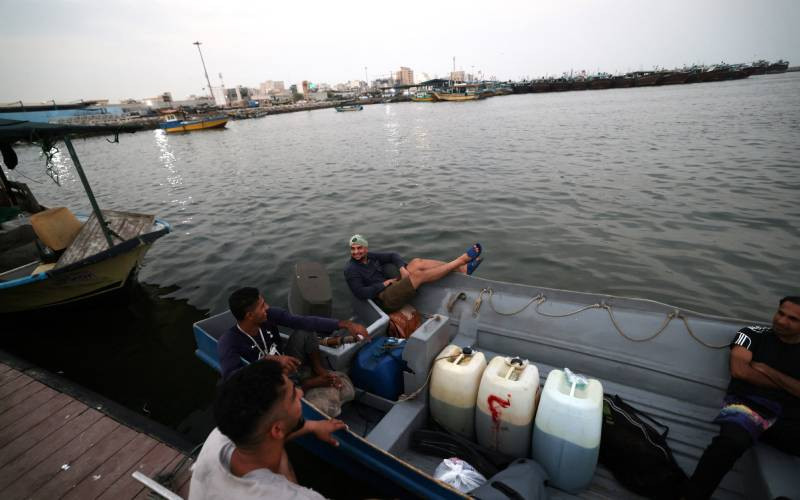
Iranian authorities on Sunday announced they were raising the price of petrol for heavier consumers, as the United States steps up sanctions seeking to isolate the country's economy.
Iran's quota system prices petrol in three tiers -- 1,500 tomans per litre for a consumer's first 60 litres in a given month, 3,000 tomans per litre for their next 50, and 5,000 tomans per litre after that. The toman is an informal unit equivalent to 10 Iranian rials.
On Sunday, government spokeswoman Fatemeh Mohajerani said the price for the third tier would double to 10,000 tomans (about 4.5 US cents).
"The rate will increase to 10,000 toman rials from the morning of September 8," Mohajerani said in remarks carried by state media.
"Different numbers were mentioned in expert meetings, but because the president had promised the people, the rate of 10,000 tomans was set," she added.
She later clarified that the price of the first and second tiers would not be changed.
Iran, a major oil producer with some of the world's cheapest fuel, has for years heavily subsidised petrol, making any changes to pricing politically sensitive.
The development comes as the Iranian currency was trading on the black market Sunday at more than 2.2 million rials to the US dollar, according to websites that track the rate.
Before the start of the Middle East war on February 28, the rial traded at around 1.7 million to the dollar, and in late April it hit what was then a record low of 1.8 million.
Late last month, US Treasury Secretary Scott Bessent laid out plans for the "economic asphyxiation" of Iran, hoping to use financial pressure to hasten the end of the war.
The new measures build on a sanctions regime by the US and allies that has been in place since 2018, when President Donald Trump withdrew from an international deal struck with Tehran on its nuclear programme.
The United States has also put Iran's ports under a naval blockade, attempting to reduce its oil exports to zero.
Subscribe to our newsletter and stay updated on the latest developments and special offers!


 Prefer the Standard on Google







 join
join