×

The Standard e-Paper
Join Thousands of Readers
 The Standard Group Plc is a multi-media organization with investments in media
platforms spanning newspaper print operations, television, radio broadcasting,
digital and online services. The Standard Group is recognized as a leading
multi-media house in Kenya with a key influence in matters of national and
international interest.

Audio By Vocalize
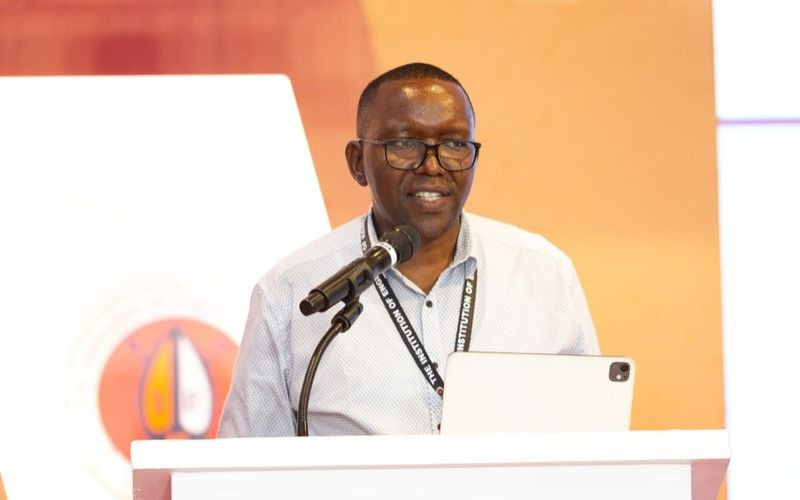
Kenya's ambition to diversify its energy sources and expand electricity generation has received backing from the engineering profession, with the Institution of Engineers of Kenya (IEK) calling for greater investment in nuclear power and energy storage technologies.
IEK President Eng. Harrison Keter said the country must embrace a balanced energy strategy that combines renewable sources, geothermal generation and emerging technologies such as nuclear power to meet future demand.
However, he cautioned that the growing integration of variable renewable energy sources, particularly solar and wind, must be accompanied by adequate battery storage systems to protect the stability of the national electricity grid.
Keter said discussions at the 33rd IEK International Convention in Mombasa had helped engineers understand the technical challenges associated with integrating different energy sources into the national grid.
He noted that while solar and wind energy were important to Kenya's low-carbon ambitions, their variable nature required appropriate storage infrastructure to ensure reliable electricity supply.
"Even as professional engineers say we have enough energy, we should not be worrying when we introduce variable renewable energies without considering adoption of battery energy storage. And we know this actually disrupts the performance of our grid so much," he said.
Keter urged engineers and energy-sector stakeholders to incorporate storage solutions into renewable energy project designs and procurement processes.
"When we draft those tenders and welcome VREs, renewable energy, solar, wind, which are very good, we should incorporate practical solutions of having energy storage systems so that they can stabilise the grid and not come and destabilise the grid," he said.
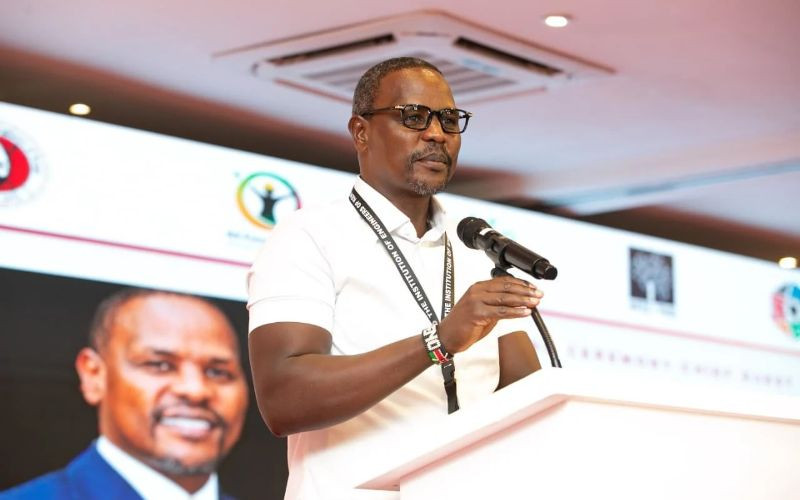
Environment and Climate Change Principal Secretary Eng. Festus Ngeno said the energy sector remained an important driver of Kenya's transition towards a low-carbon economy.
"The transition towards a cleaner economy should therefore not be viewed as a limitation on development. It presents an opportunity to create new industries, develop technologies, strengthen local enterprises, and generate new areas of professional practice for Kenyan engineers," Ngeno said.
The PS also welcomed discussions around emerging energy technologies, including nuclear power, saying engineers had an important role in providing the technical expertise required for the country's energy transition.
"As engineers, we agree and we have to lead the pack in actually socialising the community and the public that nuclear energy is one of the safest forms of energy," he said.
He pointed to the high levels of regulation governing nuclear energy development, including requirements established by the International Atomic Energy Agency.
Keter also said a Kenyan had been selected as owner-operator for the country's first nuclear energy project, which he indicated was expected in 2034.
The proposed development is expected to require significant engineering expertise, regulatory oversight, technical capacity and public engagement.
Stay informed. Subscribe to our newsletter


Subscribe to our newsletter and stay updated on the latest developments and special offers!