×

The Standard e-Paper
Home To Bold Columnists
 The Standard Group Plc is a multi-media organization with investments in media
platforms spanning newspaper print operations, television, radio broadcasting,
digital and online services. The Standard Group is recognized as a leading
multi-media house in Kenya with a key influence in matters of national and
international interest.
The Standard Group Plc is a multi-media organization with investments in media
platforms spanning newspaper print operations, television, radio broadcasting,
digital and online services. The Standard Group is recognized as a leading
multi-media house in Kenya with a key influence in matters of national and
international interest.

Audio By Vocalize
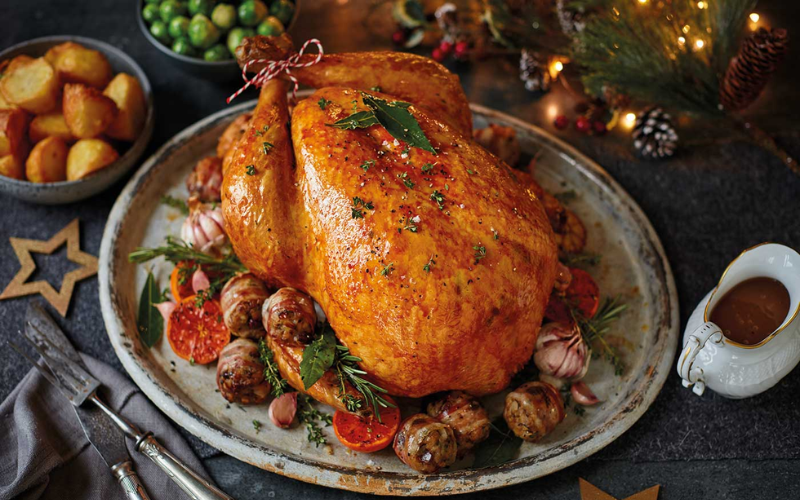
One of the most widespread practices worldwide during the December festivities is the Traditional Christmas dinner.
Radisson Blu Chef Benson Kamanja helps us dissect this menu, which consists of roast turkey, eggnog, and pudding, that has roots in medieval England.
“The Spanish introduced turkeys to Europe, where they spread rapidly, making it as far as Germany before the 16th Century was over,” says Chef Kamanja.
He further tells this writer of a 1581 cookbook published in Frankfurt that lists over 20 recipes for “Indian chicken”.
Because they were so grand and festive, turkeys quickly found a place at banquets and holiday meals, including Christmas.
Traditional Christmas Turkey
Ingredients:
2 tablespoons dried basil
2 tablespoons ground rosemary
2 tablespoons dried sage
2 tablespoons dried thyme leaves
2 stalks of celery, chopped
1 orange, cut into wedges
1 carrot, chopped
1 onion, chopped
Stay informed. Subscribe to our newsletter
1 whole clove of garlic, chopped
Salt and pepper to taste
300ml corn oil
500ml chicken stock
1. Preheat oven to 180 degrees Celsius. Line the baking tray with long sheets of aluminum foil long enough to wrap over the turkey.
2. Stir the parsley, rosemary, sage, thyme, lemon, pepper, and salt together in a small bowl. Rub the herb mixture into the turkey, and then stuff with celery, orange, onion and, carrot. Bind if desired and place the turkey in the roasting pan. Pour the chicken broth on the turkey; bring the aluminum foil over the top of the turkey and seal. Try to prevent the foil from touching the skin of the turkey, breasts or legs.
3. Bake the turkey in the preheated oven for 2-21/2 to 3 hours until it is no longer pink at the bone and the juices run clear. Uncover the turkey and continue baking until the skin turns golden brown; 30 minutes to one hour longer.
4. When cooked, remove the turkey from the oven, cover it with a doubled sheet of aluminum foil and allow it to rest in a warm area, for ten to 15 minutes before slicing.
Christmas eggnog
Chef Kamanja says eggnog descended from a hot drink called posset, which was made with eggs, milk, and wine or ale.
By the 13th Century, monks were known to drink a posset with eggs and figs. Milk, eggs, and sherry were foods of the wealthy, so eggnog was often used in toasts of prosperity and good health.
Ingredients:
Three eggs
1600ml milk
500ml cream
375ml sugar caster
400ml bourbon whisky
400ml brandy
Two tablespoons of nutmeg powder
Method:
1. Whisk the eggs and sugar until the ribbon stage.
2. Add the whiskey and brandy and refrigerate for five hours.
3. Add milk and nutmeg powder then fold in the lightly beaten cream.
4. Serve chilled.
Christmas pudding
Chef Kamanja says while Christmas pudding is popularly referred to as plum pudding, it contains no plums. “The very first version of Christmas pudding occurred in the 14th Century with, oddly enough, meat,” he explains.
Ingredients:
350g mixed dried fruits (raisins, currants, and sultanas)
100g pitted ready-to-eat prunes, chopped or left whole
100g dark sugar
Four tablespoons dark rum
100ml stout
100g of chopped walnuts, blanched almonds, fresh white breadcrumbs and frozen butter, grated, plus a little extra for greasing
½ spoon of freshly grated nutmeg
50g plain flour
One tablespoon ground cinnamon
Two tablespoons mixed spices
100g chopped glace cherries or left whole
Three large eggs beaten
Method:
1. Combine mixed fruits, prunes, sugar, rum, and stout in a mixing bowl, stir well to mix, cover and leave for 24 hours to soak.
2. Mix the walnuts, almonds, breadcrumbs, flour, butter, spices, cherries and eggs along with the soaked fruit mixture in a large mixing bowl. Mix until completely combined.
Cover with cling paper and leave to stand in a cool place for 24 hours.
3. Grease a 1.2-litre pudding basin with butter. Cut a circle of the baking paper and place it into the bottom of the pudding basin and then grease it with a little more butter.
4. Pack the pudding mixture into a pudding basin, pressing as you add it. Fold a pleat into the middle of a large piece of baking paper and place it over the pudding. Cover with a large piece of pleated foil, ensuring the pleats are on top of one another. Secure tightly with kitchen string tied under the lip of the pudding basin.
5. Place an upturned saucer into a large saucepan, one-quarter full of water.
Fold a long piece of foil into quarters lengthways to create a long strip and place the pudding basin in the middle of the strip. Bring the sides of the strip up the sides of the pudding basin and lower into the saucepan. Leave the end of the foil strip hanging over the side to make it easy to remove the pudding later.
6. Bring the water to a boil and then reduce the heat to a gentle simmer for 5-6 hours, topping up the water level as necessary. Do not allow the pan to dry.
7. Once cooked, remove from the pan and set aside to cool. The pudding can be stored for up to two years if in a cool, dry place. To serve, steam the pudding for two hours or until hot. Alternatively, remove the foil and reheat in the micro-oven.
Merry Christmas!


Subscribe to our newsletter and stay updated on the latest developments and special offers!










 join
join