×

The Standard e-Paper
Home To Bold Columnists
 The Standard Group Plc is a multi-media organization with investments in media
platforms spanning newspaper print operations, television, radio broadcasting,
digital and online services. The Standard Group is recognized as a leading
multi-media house in Kenya with a key influence in matters of national and
international interest.

Audio By Vocalize
When Roberto Dellai first came to Kenya, it was for the beaches of Mombasa. This time he came with a portfolio of Italian wines and a plan to find an importer.
At Nairobi's Trademark Hotel, Dellai stood behind bottles of Prosecco and Vespaiola from Veneto-based Cantina Beato Bartolomeo da Breganze. It was his first business trip to Kenya, and his aims were modest: meet potential partners, secure an importer and win a place in the East African market.
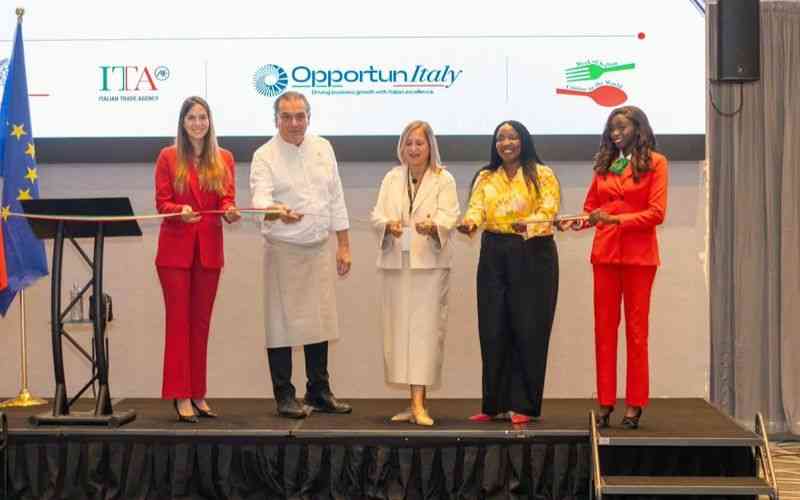
He was one of 26 exhibitors from 10 Italian regions at Borsa Vini Kenya 2026, a showcase organised by the Italian Trade Agency (ITA). Buyers from Ethiopia, Tanzania, Uganda and Rwanda were also invited.
But introducing a new wine to a market is not simply a matter of pouring a glass. Consumers must be willing to try it, importers must find a viable price, and restaurants and retailers must see enough demand to keep it on their shelves.
According to ITA figures, Italy is now Kenya's third-largest wine supplier. Its share of wine imports rose from 11.5 per cent in 2025 to 14.5 per cent in the first half of 2026.
However, the increase has been more pronounced in value than in volume, according to ITA Nairobi Director Alessandra Rainaldi. This means that Italian producers may be earning more from Kenya's wine import spending without selling many more bottles.
Rainaldi estimates that by the time an Italian bottle reaches a Kenyan consumer, its retail price can be roughly 160 per cent higher than the producer's selling price. Freight, taxes, customs clearance, warehousing, financing and distribution each add to the cost.
"We support small and medium enterprises to export and invest worldwide," Rainaldi explained, describing the agency's mission.
A wine can impress at a tasting and still struggle on the shelf if shoppers find it too expensive or supply is inconsistent.
For hotels, restaurants and retailers, the question is whether a bottle will sell often enough to justify the space. And for Kenyan consumers, the bigger question is what it costs to enjoy a bottle of Italian wine.
Familiar labels such as Prosecco have an edge because consumers already recognise them. Less familiar varieties, including Vespaiola, require more explanation and exposure before they can find a regular audience.
That is where wine education comes in.
Wine consultant and sommelier Victoria Mulu-Munywoki says consumers need opportunities to understand what they are drinking, from the grape varieties and regions of origin to the aromas, flavours and foods that complement different wines.
She urged participants to look beyond the labels and speak to the people behind them.
"Talk to the producers, talk to the people behind all the labels who have made their time to come to Kenya and create your own story to pass on to Kenyan consumers," she said.
Stay informed. Subscribe to our newsletter
Education cannot cut taxes or freight charges, but it may make buyers more comfortable spending on a wine they have never tried.
A week of Italian food
Borsa Vini ran during the Week of Italian Cuisine in the World, with activities featuring Michelin-starred chef Italo Bassi. It came as UNESCO added Italian cooking to its Representative List of the Intangible Cultural Heritage of Humanity.
Italian officials see wine as part of that cultural story.
"Wine is much more than a product because for us, Italians, it reflects our history, our territories and our cultural heritage," said Giulia Orlandi, Second Secretary at the Embassy of Italy in Nairobi.
The event also included masterclasses, where participants explored Italian wine styles, compared aromas and flavours, and reflected on their own preferences.
The wine trade is only one strand of a wider relationship. Provisional figures in the Kenya National Bureau of Statistics (KNBS) Economic Survey 2026 show Kenya's merchandise exports to Italy rose 50.2 per cent, from Sh10.14 billion in 2024 to Sh15.22 billion in 2025.
Imports from Italy slipped slightly to Sh21.21 billion, narrowing Kenya's trade deficit with Italy from Sh11.89 billion to Sh5.98 billion. The gains were largely driven by vegetable and microbial oils. Kenya also sells coffee, flowers, fish, leather and horticultural products to Italy.
For Dellai and the other producers who travelled to Nairobi, the visit will be judged by what follows the tastings. It will depend on whether today's introductions become orders, and whether those orders keep coming.
Subscribe to our newsletter and stay updated on the latest developments and special offers!