×

The Standard e-Paper
Kenya’s Boldest Voice
 The Standard Group Plc is a
multi-media organization with investments in media platforms spanning newspaper
print operations, television, radio broadcasting, digital and online services. The
Standard Group is recognized as a leading multi-media house in Kenya with a key
influence in matters of national and international interest.

Audio By Vocalize

The Ethics and Anti-Corruption Commission has challenged the media to make integrity a central issue in the 2027 General Election.
The commission on Thursday said that as the country gears up for the 2027 General Election, media houses must go beyond political personalities, alliances and campaign promises and interrogate the character, credentials and track record of those seeking public office.
Commission’s Chairperson David Oginde said EACC will put in place a mechanism to support the media with relevant information to enable informed public scrutiny of the integrity and suitability of those seeking elective and appointive positions in the 2027 electoral period.
“We need an independent media that is willing to ask difficult questions, including of institutions such as EACC,” Oginde said, noting that public office is a public trust of which Chapter Six of the Constitution sets standards of integrity, responsibility and service for those entrusted with public authority.
Oginde spoke in Mombasa during the 9th edition of the Kenya Editors Guild convention, where he said Kenyans should have the opportunity to consider not only what candidates promise, but also their record, credentials and conduct in public life.
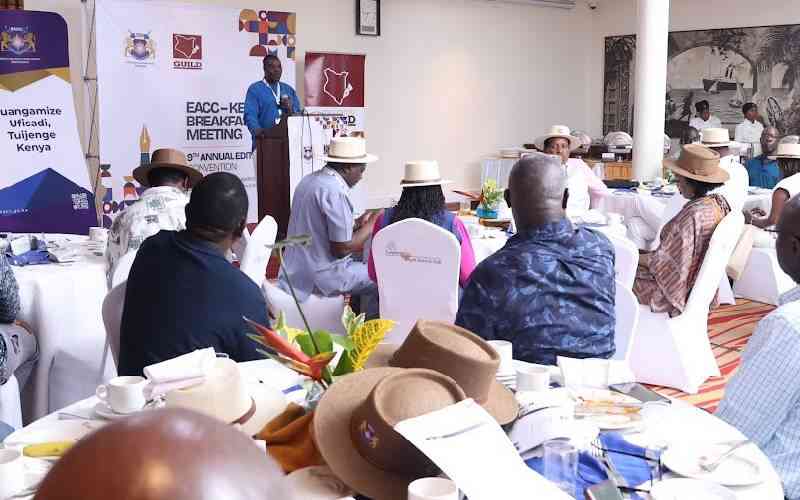
“The electoral period can place pressure on the systems and safeguards that keep elections fair. It is important that all those participating in the process, including public officers, understand and observe the legal and ethical standards governing elections. Compliance with the law must be taken seriously and applied fairly,” he said.
According to him, editors should therefore give greater attention to the integrity of those seeking elective office. Beyond campaign promises, political alliances and personalities.
“Kenyans should be asking some basic questions: What record does a candidate have? How have they handled public resources? Have they demonstrated honesty in their dealings? And do their actions reflect the standards expected of a person entrusted with public authority?” he said.
Oginde said the growing concern about forged academic and professional certificates is one of the areas that deserves particular attention by the media.
He said the presentation of fake qualifications to meet electoral requirements is not a small administrative matter but speaks directly to honesty and suitability for leadership.
The bishop said a person who is prepared to deceive the public about their qualifications raises legitimate questions about the trust that can be placed in them. We would like to see this issue receive sustained national attention, including through investigative journalism and responsible public debate.
“Voter bribery is another concern. The buying of votes undermines the freedom of citizens to choose their leaders. It turns an important democratic decision into a transaction and allows money to distort the choices of voters,” he said, noting, “The Commission will continue to strengthen its monitoring and intelligence-led efforts to detect and investigate voter bribery.”
Oginde further said the media must also be vigilant about the use of public resources for political campaigns.
To him, government vehicles, public funds, public employees and official government functions should never be used to advance individual political ambitions.
These resources, he said, belong to the people and not to the individuals who happen to occupy public office.
Stay informed. Subscribe to our newsletter
“The same applies to public officers, who are required to maintain political neutrality while in service. Those intending to contest elective positions must also comply with the legal requirement to resign at least six months before the General Election. We must guard against situations where resignation exists on paper, but public resources and influence continue to be used for political purposes,” said Oginde.
With regard to exploitation of young people during political campaigns, Oginde said the youth should be participating in democratic processes as citizens with ideas, aspirations and a stake in the country's future.
“They should not be recruited, paid or manipulated to intimidate opponents, disrupt meetings or engage in violence. Politicians who sponsor violence and intimidation must be held accountable. Equally, young people must understand that their future is worth far more than the temporary benefits offered by those seeking political power,” he said.

Oginde said the media is presented with an opportunity where it can make a real difference.
“The way a newsroom frames a story, chooses a headline, conducts a live interview or reports inflammatory political statements can either help calm tensions or make them worse. This is not a call for the media to avoid difficult or controversial stories. Rather, editors should exercise editorial judgement that puts facts, evidence and the public interest first. Politicians should be held to account, but inflammatory statements should not be given an unchallenged platform simply because they attract attention,” he said.
He said newsroom gatekeepers should look beyond the spectacle of political competition and follow the money, examine the use of public resources, question unexplained wealth, questionable credentials and decisions that place private interests ahead of the public good.
“Give citizens the information they need to assess candidates and make informed choices. Equally, distinguish between allegations, investigations and proven wrongdoing. A fair and credible media protects both the public's right to know and the rights of those who are the subject of allegations,” he said.
Subscribe to our newsletter and stay updated on the latest developments and special offers!


 Prefer the Standard on Google