×

The Standard e-Paper
Read Offline Anywhere
 The Standard Group Plc is a multi-media organization with investments in media
platforms spanning newspaper print operations, television, radio broadcasting,
digital and online services. The Standard Group is recognized as a leading
multi-media house in Kenya with a key influence in matters of national and
international interest.

Audio By Vocalize
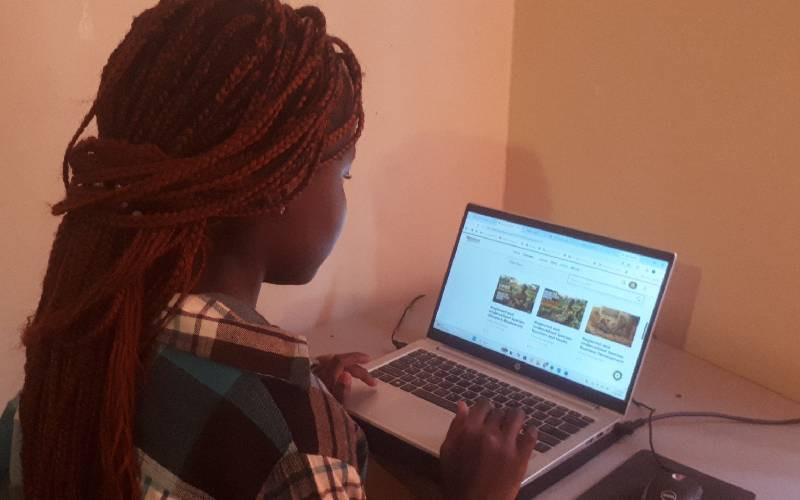
Regional universities have developed an open-source curriculum on Neglected and Underutilised Species (NUS) that aims to bring what is termed as forgotten foods into mainstream academic programmes across Africa.
The curriculum, which is expected to be rolled out in different learning institutions on the continent, has been developed by 14 African partner universities from nine countries, together with global research and academic partners.
It went through a successful pretest phase — held from October 5 to 31 this year, where 392 learners were enrolled, and 47 per cent of those who started earned a certificate.
The 14 African partner universities include Makerere University, University of Nairobi, University of Ghana, Jomo Kenyatta University of Agriculture and Technology (JKUAT), Egerton University and Cape Coast Technical University.
The curriculum is supported by the Global Forum on Agricultural Innovation and Research (GFAiR) under its Collective Action on Transforming Higher Education in Agriculture, and spearheaded by the Regional Universities Forum for Capacity Building in Agriculture (RUFORUM). The initiative is funded by the European Commission.
According to the statement, RUFORUM's typical open-enrolment modules attract 400 to 500 participants with 50 to 55 per cent completion.
Executive Secretary GFAiR Joanna Kane-Potaka, welcomed the launch, emphasising the collaborative effort behind the curriculum and its focus on practical uptake.
“This is not only a new valuable resource that has not existed before - but what excites me the most is how this was co-designed by so many stakeholders across the globe. It is a powerful example of equitable partnerships and local leadership in action, the very principles that GFAiR champions,” Kane-Potaka said in a statement.
The curriculum is open and free, meaning any university can use it without cost barriers. It was built together by African universities and global partners, rather than by a single institution. It is competency- based, with entrepreneurship and 21st century skills built into every block. It is also flexible enough to run as a standalone course, sit inside a programme, or serve as supplementary reading.
The curriculum spans seven areas of study that span different issues including production, post-harvest and handling, nutrition and health as well as climate and biodiversity.
This curriculum is designed to include teaching materials and case studies on Forgotten Foods that can be incorporated into any course—from agronomy to food technology—allowing for rapid uptake within existing academic approval pathways. It also includes micro-courses on Forgotten Foods that can be incorporated and certified by any university.



Subscribe to our newsletter and stay updated on the latest developments and special offers!