×

The Standard e-Paper
Read Offline Anywhere
 The Standard Group Plc is a multi-media organization with investments in media
platforms spanning newspaper print operations, television, radio broadcasting,
digital and online services. The Standard Group is recognized as a leading
multi-media house in Kenya with a key influence in matters of national and
international interest.
The Standard Group Plc is a multi-media organization with investments in media
platforms spanning newspaper print operations, television, radio broadcasting,
digital and online services. The Standard Group is recognized as a leading
multi-media house in Kenya with a key influence in matters of national and
international interest.

Audio By Vocalize
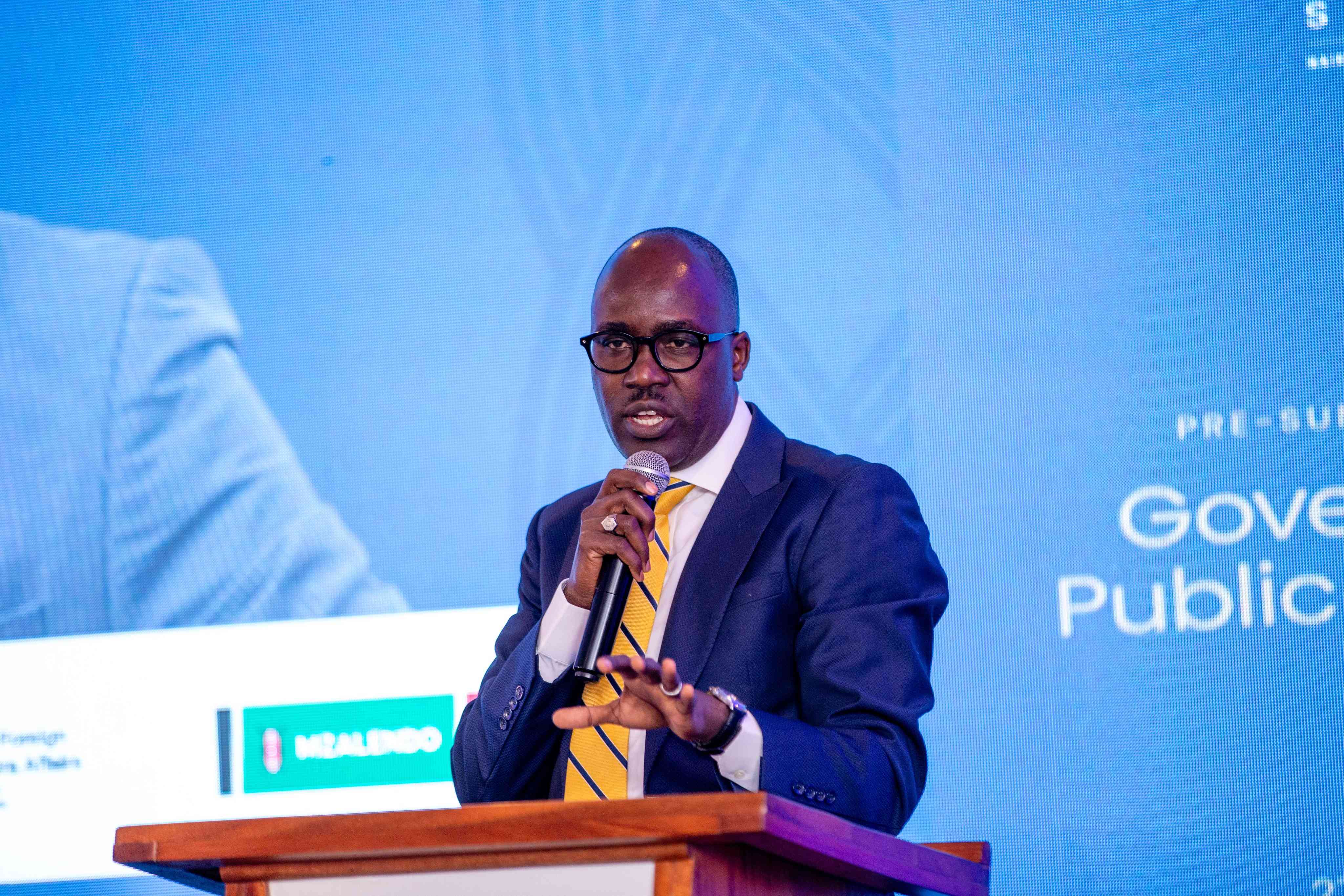
Kenya has called on African nations to unite and negotiate as one bloc, arguing the continent pays $75 billion (Sh9.7 trillion) a year in inflated interest as a "trust tax."
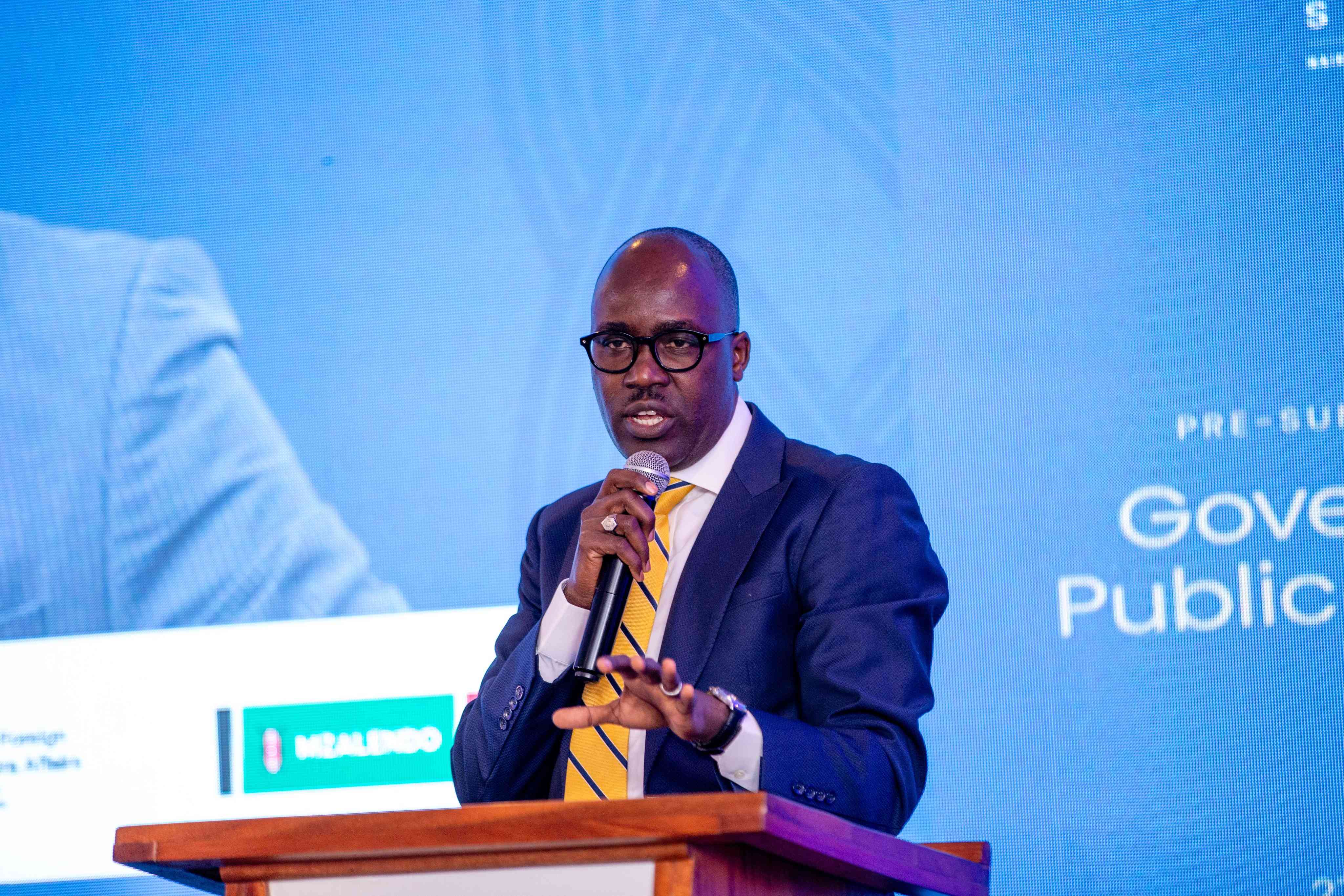
Foreign Affairs Principal Secretary Korir Sing'oei made the remarks on Friday at the closing of the sixth African Conference on Debt and Development in Nairobi, an event organised by the African Forum and Network on Debt and Development to mark the group's 30th anniversary.
"Africa pays 90 billion dollars a year in debt service," noted Sing'oei, adding, "That is more than aid and climate finance combined."
That figure translates to roughly Sh11.6 trillion.
He said 22 African countries are currently in debt distress, and argued the burden stems less from actual default risk than from a risk premium imposed on the continent by international creditors.
Sing'oei traced a shift in Africa's foreign policy priorities, from the pursuit of political independence in the 1960s to the search for aid in the 1990s, and now to the cost of capital.
He explained that Africa needs $1.3 trillion (Sh168.2 trillion) annually to meet the Sustainable Development Goals.
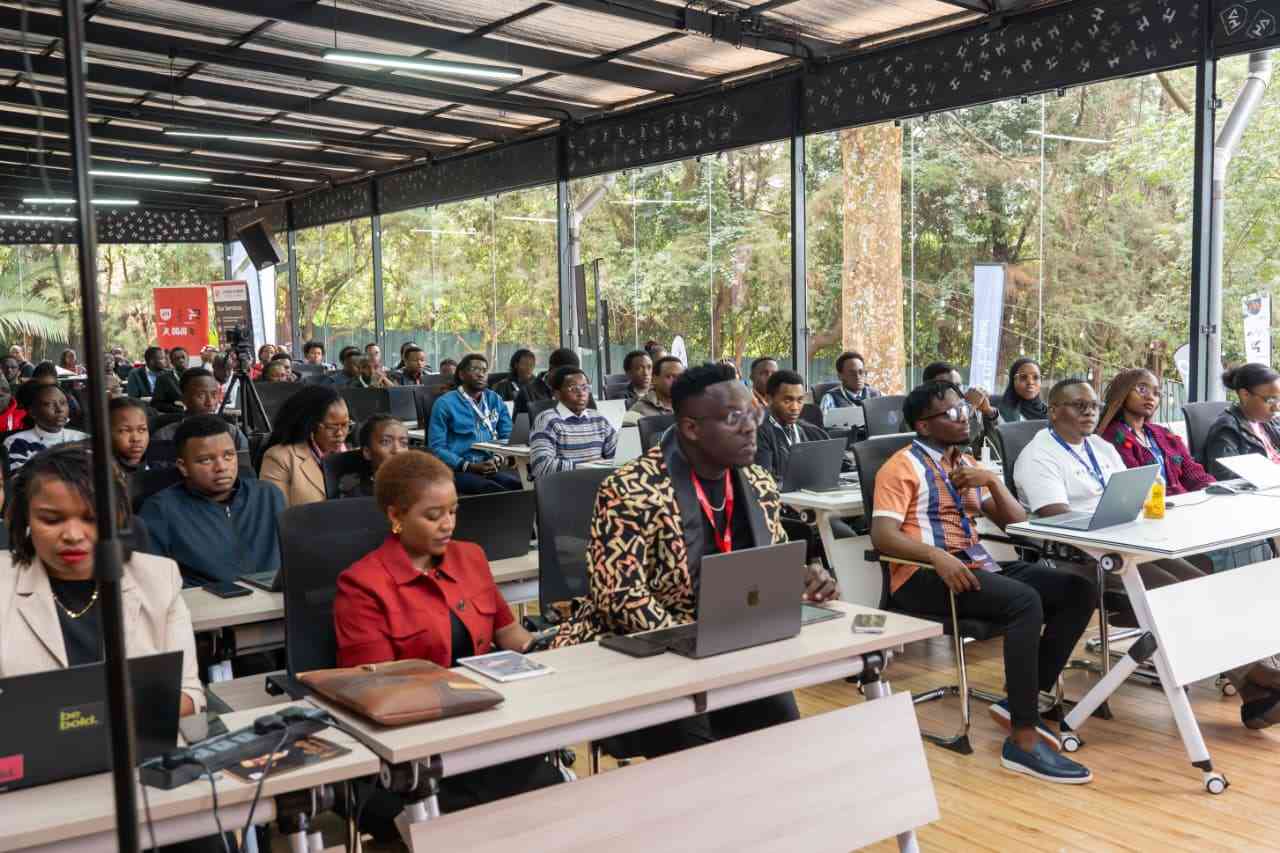
The gathering, held under the theme "From Fragmentation to Influence," drew government officials, civil society groups and researchers to Nairobi to push the African Common Position on Debt, adopted by AU heads of state in February, from declaration toward implementation.
Sing'oei set a target of cutting Africa's borrowing premium by 200 basis points over three to four years, a move he said would free up roughly $20 billion (Sh2.6 trillion) annually, enough to fund the African Union's Agenda 2063 infrastructure programme.
He pointed to the creation of an African Credit Rating Agency, due to launch in Mauritius in October, as one tool to help the continent price its own risk rather than rely on external assessments.
He also cited the Alliance of African Multilateral Financial Institutions, which brings together lenders including the African Development Bank and Afreximbank, as a step toward reducing reliance on external borrowing.
Sing'oei observed that the composition of Africa's creditors has changed sharply since the 1990s, when 70pc of debt sat with Western-led Paris Club lenders.
Private bondholders in London, Hong Kong and Gulf states now hold about 40pc of the continent's debt, he added, a shift that has slowed restructuring efforts such as Zambia's, which took four years to resolve.
"If we do not fix from whom we borrow, how we borrow and at what price, we will not have a social contract," argued Sing'oei. "We will have a debt contract."
The African Common Position on debt is expected to feature at the Global Trust Summit, due to be held in Nairobi in October.
Stay informed. Subscribe to our newsletter
Subscribe to our newsletter and stay updated on the latest developments and special offers!








 join
join