×

The Standard e-Paper
Read Offline Anywhere
 The Standard Group Plc is a multi-media organization with investments in media
platforms spanning newspaper print operations, television, radio broadcasting,
digital and online services. The Standard Group is recognized as a leading
multi-media house in Kenya with a key influence in matters of national and
international interest.
The Standard Group Plc is a multi-media organization with investments in media
platforms spanning newspaper print operations, television, radio broadcasting,
digital and online services. The Standard Group is recognized as a leading
multi-media house in Kenya with a key influence in matters of national and
international interest.

Audio By Vocalize
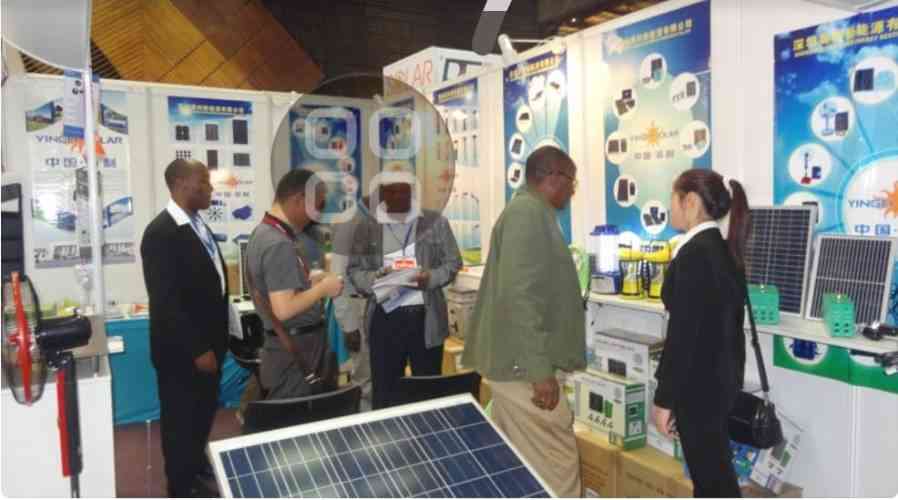
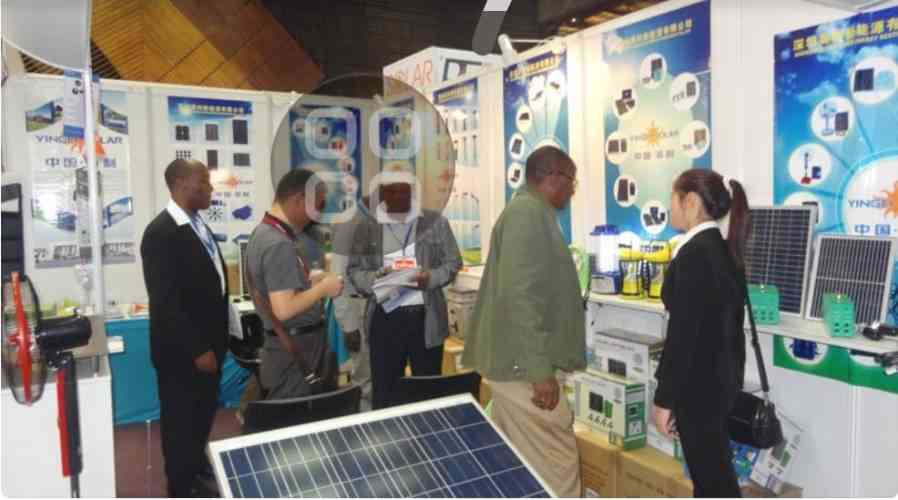
More than 250 exhibitors from 27 countries will gather in Nairobi from Wednesday as Kenya's expanding solar sector drives demand for new energy technologies and investment.
The three-day 11th Solarexpo Kenya and 13th Power & Energy Kenya exhibitions will run at the Carnivore Grounds through Friday, July 31.
Energy and Petroleum Cabinet Secretary Opiyo Wandayi will open the event.
The trade fairs will bring together companies from China, India, South Africa and other countries to showcase solar, power generation and energy technologies for the East African market.
Exhibitors include Dongfang Electronics Corporation, APS Pump, ACTOM, Switchgear Ltd, Ningbo Deye ESS Technology, SRNE Solar, Guangzhou Felicity Solar Technology and Yachu Solar.
Local industry bodies, including the Electricity Sector Association of Kenya, will also participate.
The exhibitions come as solar accounts for a growing share of Kenya's electricity mix.
Data from the Energy and Petroleum Regulatory Authority shows Kenya had an installed electricity generation capacity of 3,868.6 megawatts as of December 2025.
Solar contributed 540.9 megawatts, representing about 14.7 per cent of the country's total installed capacity.
About 210 megawatts comes from grid-connected utility-scale projects, while more than 326 megawatts is generated through captive systems installed by businesses and institutions.
The remaining capacity comes from off-grid systems.
Renewable energy supplied nearly 79 per cent of electricity fed into the national grid during the second half of 2025.
Geothermal and hydropower remained the leading sources while utility-scale solar generated 227.67 gigawatt-hours during the same period.
Kenya aims to generate 100 per cent of its electricity from renewable sources by 2030, a target that will require more investment in electricity transmission, grid flexibility and financing as solar generation expands.
Lower solar panel and battery costs, combined with strong solar radiation across the country, have increased the adoption of rooftop, captive and off-grid systems by households and businesses seeking reliable electricity.
Stay informed. Subscribe to our newsletter
Solar has also become part of rural electrification through the Kenya Off-Grid Solar Access Project, which is expanding electricity access in underserved counties using standalone systems and mini-grids.
Organisers say the Nairobi exhibitions will provide a platform for industry players to discuss technology, financing and partnerships needed to support the next phase of Kenya's renewable energy transition.

Subscribe to our newsletter and stay updated on the latest developments and special offers!













 join
join