×

The Standard e-Paper
Home To Bold Columnists
 The Standard Group Plc is a
multi-media organization with investments in media platforms spanning newspaper
print operations, television, radio broadcasting, digital and online services. The
Standard Group is recognized as a leading multi-media house in Kenya with a key
influence in matters of national and international interest.
The Standard Group Plc is a
multi-media organization with investments in media platforms spanning newspaper
print operations, television, radio broadcasting, digital and online services. The
Standard Group is recognized as a leading multi-media house in Kenya with a key
influence in matters of national and international interest.

Audio By Vocalize
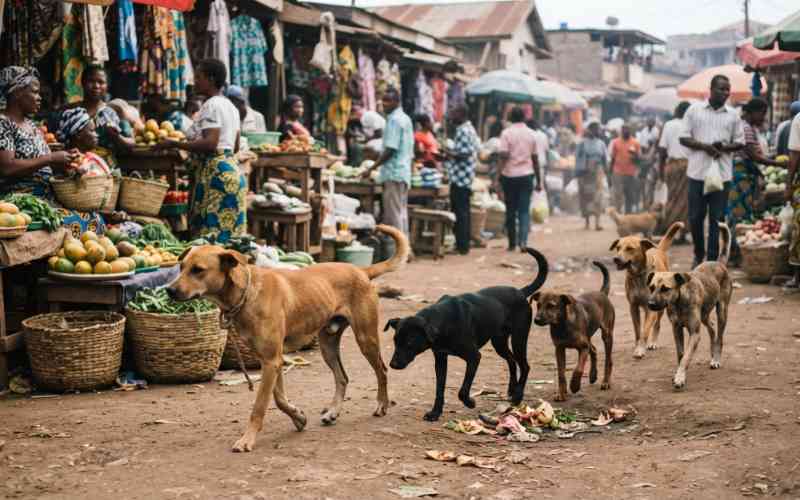
In many towns, market centres, and villages across Kenya, stray dogs are becoming a familiar sight. They wander through streets, scavenge at dumpsites, gather around butcheries and food outlets, and often move in packs.
For many people, this has become. Yet behind these growing marauding dogs lies a serious public health concern that deserves urgent attention. Growing populations of free-roaming dogs are not simply a nuisance. It is a symptom of irresponsible dog ownership, poor waste management, and uncontrolled breeding.
More importantly, this exposes communities to potentially deadly diseases, dog bite injuries, livestock losses, and environmental health risks, and the fatal rabies disease should an outbreak occur.
Rabies is perhaps the greatest threat posed by uncontrolled dog populations, one of the deadliest diseases known to humanity. Rabies is a viral disease spread by infected animals, mostly dogs, that affects the nervous system and is almost always fatal once symptoms appear. The tragedy is that this disease can be prevented through annual affordable vaccination, curable through timely treatment still claims human lives today.
Dogs are responsible for up to 99 per cent of human rabies cases worldwide, particularly in Africa and Asia. Sadly, children are among the most vulnerable victims. Their smaller size, natural curiosity, and frequent interactions with dogs as pets put them at greater risk of dog bites and rabies exposure. The burden is often highest in rural communities, where access to timely and effective treatment may be limited.
When dogs are allowed to move unchecked, vaccination coverage becomes difficult to maintain. An infected dog can travel widely, exposing multiple people, livestock and other animals before the disease is detected.
Even when rabies is not involved, dog bites are a significant public health concern. Victims may suffer physical injury, infections, disability and psychological trauma. Once again, children, the elderly, and livestock herders are particularly vulnerable. In many settlements, packs of dogs have become increasingly aggressive, especially where food competition is intense.
School-going children walking long distances, joggers, cyclists, livestock keepers and pedestrians often face intimidation or attacks from roaming dogs. The costs associated with medical treatment, transport to health facilities and lost productivity place additional burdens on families already struggling with limited resources. Dogs being man’s best friend means that we, as humanity, can play a great role through responsible dog ownership and good environmental practices.
One of the biggest drivers of dog population growth is the abundance of readily available food. Open dumpsites, poorly managed markets, household waste and slaughterhouse remains create an endless buffet for roaming dogs. As long as food sources remain plentiful, dog populations will continue to grow. Poor waste disposal not only attracts dogs but also rats and other scavengers, further worsening the public health challenge. Communities often focus on the dogs themselves while ignoring the environmental conditions that sustain them.
Owning a dog is not merely about keeping an animal for security or companionship. It is a commitment to ensure that the animal does not become a danger to others.
Responsible dog owners should vaccinate their dogs annually against rabies. Confine or supervise dogs rather than allowing them to roam freely, sterilise dogs to prevent unwanted breeding, provide adequate food and water, and ensure dogs receive regular veterinary care.
The community has a role in reporting suspected rabies cases and aggressive dogs, supporting community vaccination campaigns, and raising awareness among children on how to safely interact with dogs.
[Dr Othieno is a vet surgeon and currently the head of communications at the Food and Agriculture Organisation of the United Nations (FAO) Kenya. The views expressed here are his own]
Subscribe to our newsletter and stay updated on the latest developments and special offers!


 Prefer the Standard on Google