×

The Standard e-Paper
Smart Minds Choose Us
 The Standard Group Plc is a
multi-media organization with investments in media platforms spanning newspaper
print operations, television, radio broadcasting, digital and online services. The
Standard Group is recognized as a leading multi-media house in Kenya with a key
influence in matters of national and international interest.
The Standard Group Plc is a
multi-media organization with investments in media platforms spanning newspaper
print operations, television, radio broadcasting, digital and online services. The
Standard Group is recognized as a leading multi-media house in Kenya with a key
influence in matters of national and international interest.

Audio By Vocalize
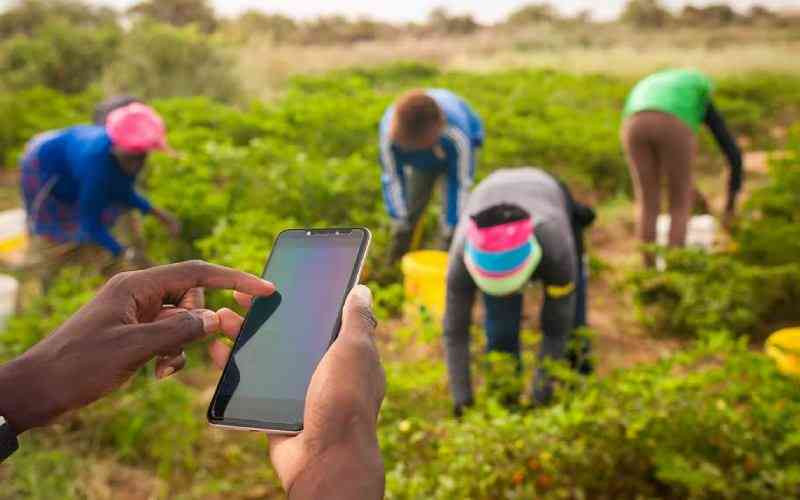
Farmers in arid regions have been urged to treat trees as income-generating assets, creating new opportunities in agriculture, climate resilience, and rural enterprise.
For decades, tree planting in Kenya was largely regarded as an environmental conservation activity aimed at restoring degraded land, preventing soil erosion and mitigating the effects of climate change.
This transformation is set to position agroforestry at the centre of Kenya’s emerging green economy, particularly in arid and semi-arid areas that have long faced recurring droughts, declining soil fertility and food insecurity.
One of the initiatives driving this shift is the Acorn programme, a climate-smart agroforestry project implemented by the Cereals Growers Association (CGA).
The programme is helping farmers integrate trees into their farming systems, not merely as a conservation measure but as an investment that can produce long-term economic returns.
According to CGA Agribusiness Coordinator Urbanus Sanga, the organisation initially promoted agroforestry as a strategy for environmental restoration and climate adaptation.
However, the economic benefits experienced by farmers quickly became evident.
“What started as a conservation intervention has increasingly become a farm productivity investment,” Sanga says.
Today, however, a new narrative is taking root across the country’s drylands, where trees are increasingly being viewed as productive economic assets capable of generating income, improving farm productivity and strengthening climate resilience.
Trees improve soil structure, reduce erosion, increase water retention and create favourable microclimates for crop production. In drought-prone regions, these benefits are translating into stronger harvests, reduced production risks and more reliable farm incomes.
The programme currently supports more than 35,000 farmers and covers over 18,000 hectares of farmland across 12 counties.
More than 500,000 trees have been planted in the last two years, while a nursery with approximately 1.2 million seedlings has been established to support future expansion.
Farmers participating in the programme are encouraged to combine tree planting with conservation agriculture practices such as certified seed use, mulching, conservation tillage and soil management techniques to maximise productivity.
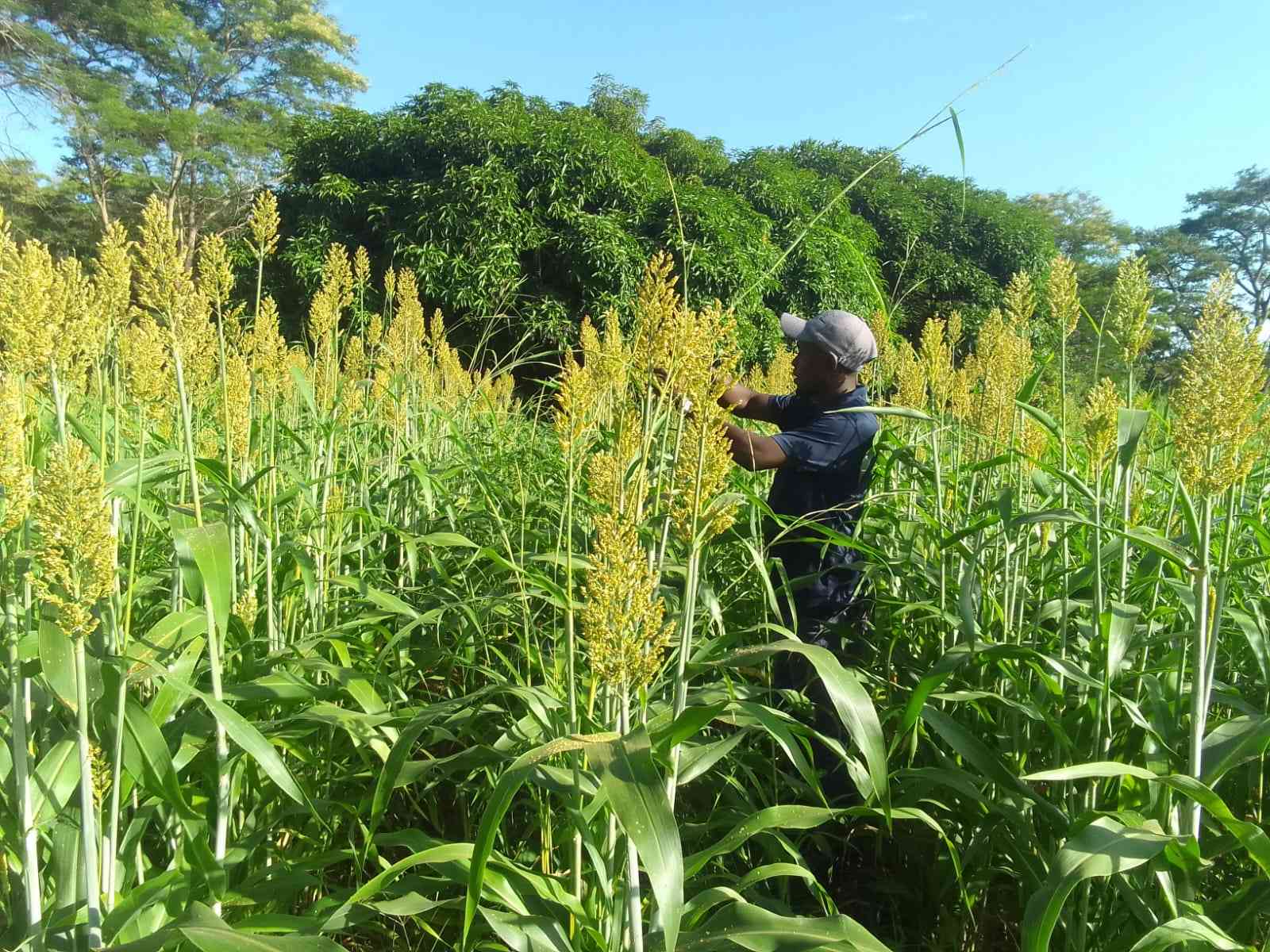
Technology is also playing a key role.
Stay informed. Subscribe to our newsletter
Through the JazaMiti digital platform, farmers can identify tree species best suited to their local conditions, improving seedling survival rates and protecting investments in labour and planting materials.
Beyond improving crop yields, agroforestry is creating multiple income streams for rural households.
Fruit trees such as mangoes, lemons and oranges provide marketable produce, while species including moringa, neem, acacia and Melia volkensii offer opportunities in timber, fuelwood and fodder production.
Livestock farmers are among the biggest beneficiaries. Fodder trees such as Calliandra and Sesbania have gained popularity because they improve animal nutrition and boost milk production.
Trials indicate that feeding one kilogram of fodder from such trees can increase milk output by at least one litre per cow per day. With milk prices ranging between Sh42 and Sh46 per litre, this translates into additional daily income for farming households.
CGA estimates that farmers adopting agroforestry alongside conservation agriculture can increase yields by between 20 and 25 per cent while reducing production costs by up to 30 per cent through lower spending on fertiliser, irrigation and livestock feed.
For many farmers, agroforestry has become a pathway to greater profitability rather than simply higher production.
Among those demonstrating the commercial potential of tree-based farming is Kitui farmer Mitau Nzomo. His journey began in 2004 after the collapse of a business venture forced him to seek an alternative source of livelihood.
He turned to tree farming and established a mango orchard, a decision that has since evolved into a thriving multi-enterprise business.
Today, Nzomo manages more than 300 mature mango trees and earns income from fruit sales, beekeeping, fodder production, livestock and fuelwood.
“When my business failed, I needed an alternative source of income that could sustain my family. Planting trees seemed like a risk at the time, but it turned out to be one of the best decisions I ever made,” he says.
By carefully managing his orchard to produce fruit outside peak harvesting seasons, Nzomo can command farm-gate prices of up to Sh20 per mango.
His beekeeping enterprise has also flourished. Between February and May this year, he harvested approximately 100 kilograms of honey, earning around Sh100,000. He currently manages 24 beehives strategically placed within his orchard.
The relationship between trees and bees has created a mutually beneficial business model, with flowering trees providing nectar while bees enhance pollination and improve fruit production.
His experience reflects a growing trend among farmers who are diversifying their income sources through agroforestry rather than relying on a single crop or livestock enterprise.
Climate change is placing increasing pressure on conventional farming systems, especially in Kenya’s drylands. At the same time, Kenya has committed to growing 15 billion trees by 2032 and increasing national tree cover to 30 per cent.
Globally, investors are also directing more capital toward climate-smart agriculture, ecosystem restoration and nature-based solutions, making agroforestry an increasingly attractive sector.
Another emerging opportunity lies in carbon markets. As trees absorb and store carbon, farmers could eventually earn additional income through carbon credits sold to organisations seeking to offset emissions.
Although challenges remain in aggregating farmers and verifying carbon stocks, experts believe carbon finance could further strengthen the economic case for agroforestry in Kenya.
Subscribe to our newsletter and stay updated on the latest developments and special offers!

 Prefer the Standard on Google









 join
join