×

The Standard e-Paper
Stay Informed, Even Offline
 The Standard Group Plc is a
multi-media organization with investments in media platforms spanning newspaper
print operations, television, radio broadcasting, digital and online services. The
Standard Group is recognized as a leading multi-media house in Kenya with a key
influence in matters of national and international interest.
The Standard Group Plc is a
multi-media organization with investments in media platforms spanning newspaper
print operations, television, radio broadcasting, digital and online services. The
Standard Group is recognized as a leading multi-media house in Kenya with a key
influence in matters of national and international interest.

Audio By Vocalize
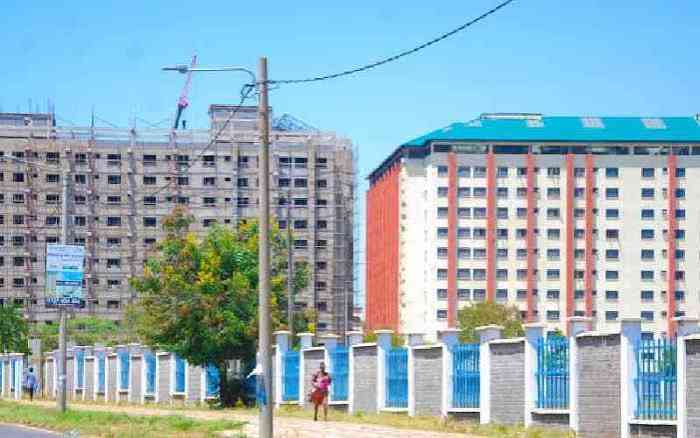
Few challenges are as deceptively complex as housing. It is a problem that appears to be about bricks and mortar. Yet housing is fundamentally about human dignity. It is the foundation upon which families build their futures, children build their dreams and communities build their resilience.
Kenya faces an annual housing deficit of approximately 200,000 units, a gap that has been compounded by a rapid urbanization rate of 4.4 per cent. This is not merely a statistic; it represents millions of citizens living in conditions that compromise their health, safety, and potential. The ambitious target of delivering 277,000 affordable housing units that are currently under construction, with 45,000 units targeted by the end of this year, is a direct response to this urgency. These are critical milestones in a journey to bridge a gap that has grown for decades.
For too long, the conversation around affordable housing has been trapped in a zero-sum game: quality homes cannot be built cheaply, and they cannot be financed sustainably. The Affordable Housing Board believes this is a false dichotomy. The solution lies in leveraging the combined power of government, private enterprise, and innovation to fundamentally re-engineer the economics of housing.
The Board's emphasis on innovative financing proved instrumental in advancing the Affordable Housing Programme. By reducing the cost of financing on the demand and supply side, and deepening public-private partnerships, the AHB helped establish a sustainable financing framework that balanced the interests of developers, financiers, and homeowners. Working alongside institutions such as the Kenya Mortgage Refinance Company, it also supported the expansion of affordable, single-digit fixed-rate mortgage financing for Kenyan homebuyers. The deployment of technology, such as the Ardhisasa digital land registry, is being prioritised to reduce fraud and improve the efficiency of land markets.
Beyond the construction phase, the conversation must shift from merely building units to creating communities. An affordable housing project that is poorly managed is a liability, not an asset. This is why the AHB is championing the professional management of these estates through partnerships with property developers and managers. Nineteen property managers have already been onboarded to ensure these communities are well-maintained, financially transparent, and assets that will appreciate in value over time.
The Board is also embracing modern, cost-effective construction technologies. By using innovative methods and locally available materials, construction costs can be reduced by up to 25 per cent while simultaneously creating jobs and supporting the local manufacturing sector.
Critics often cite the scale of the challenge, and they are not wrong. The task is monumental. The housing programme is a key pillar of the government's Bottom-Up Economic Transformation Agenda, and its success is non-negotiable.
The Affordable Housing Programme represents a unique and unprecedented opportunity to reshape the social and economic fabric of the nation. Homeownership is not merely a financial transaction; it is a psychological anchor, a source of stability, and a platform from which families can plan their futures with confidence.
Yet, for the programme to achieve its full potential, several critical elements must align. First, the enabling environment must be strengthened. Streamlining land acquisition processes, fast-tracking approvals, and ensuring policy coherence across all levels of government are essential to reducing the time and cost of project delivery.
Second, the financing ecosystem must be deepened. Beyond the Kenya Mortgage Refinance Company, the Board is exploring the role of pension funds, insurance companies, and diaspora bonds in mobilizing the substantial capital required. The diaspora, in particular, represents an enormous source of untapped potential.
Third, skills development and capacity building must be prioritized. The construction sector requires a steady pipeline of skilled labour to meet the demands of a programme of this magnitude. The Board is partnering with technical and vocational training institutions to ensure that young Kenyans are equipped with the skills needed to participate in the housing value chain.
Fourth, sustainability must be embedded in every aspect of the programme. Green building practices, energy-efficient designs, and water conservation measures are being integrated into all projects.
Fifth, the voices of the beneficiaries must be heard. The Board is committed to a participatory approach that engages communities in the planning and design of housing projects. This ensures that the homes built are not only affordable but also appropriate to the needs and aspirations of the people who will live in them.
Affordable housing cannot be delivered in isolation from other social and economic interventions. Access to affordable housing must be accompanied by access to affordable transportation, employment opportunities, and quality education and healthcare. This is why the Board is working closely with other government agencies to ensure that housing developments are integrated into broader urban planning frameworks, creating mixed-use developments that are not just places to live but places to thrive.
Stay informed. Subscribe to our newsletter
The journey ahead is long, and the challenges are significant. Yet, there is every reason for optimism. Kenya has the talent, the resources, and the determination to succeed. The Affordable Housing Board is committed to providing the leadership, the coordination, and the strategic direction necessary to transform Kenya's housing landscape.
Subscribe to our newsletter and stay updated on the latest developments and special offers!


 Prefer the Standard on Google








 join
join