×

The Standard e-Paper
Home To Bold Columnists
 The Standard Group Plc is a
multi-media organization with investments in media platforms spanning newspaper
print operations, television, radio broadcasting, digital and online services. The
Standard Group is recognized as a leading multi-media house in Kenya with a key
influence in matters of national and international interest.
The Standard Group Plc is a
multi-media organization with investments in media platforms spanning newspaper
print operations, television, radio broadcasting, digital and online services. The
Standard Group is recognized as a leading multi-media house in Kenya with a key
influence in matters of national and international interest.

Audio By Vocalize

I was alive when a former Chief Justice of Kenya was arrested for participating in a protest.
Let that sentence sink in. Let it unsettle us.
Not because David Maraga is a former Chief Justice. Not because he once headed one of the three arms of government. Rather, the circumstances surrounding his arrest bring into sharp focus uncomfortable truths about the state of our democracy and our understanding of citizenship.
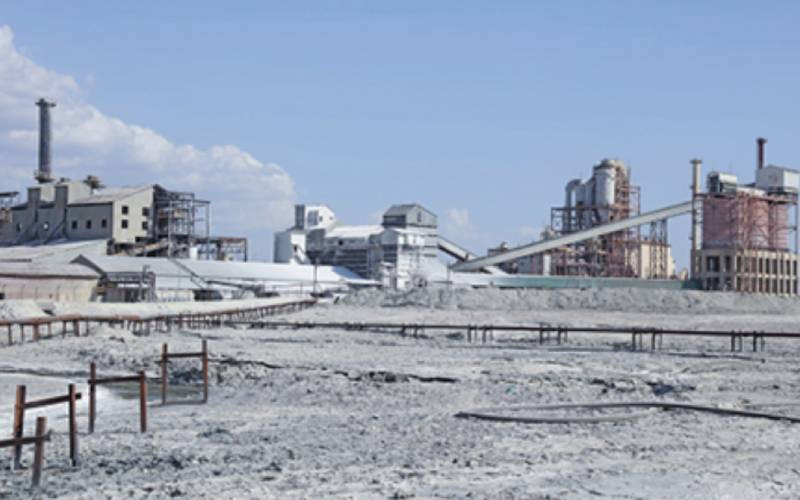
Maraga was arrested while participating in a protest against developments affecting Nairobi National Park. He was among a group of citizens seeking to present a petition and raise concerns about decisions that, in their view, could have lasting environmental consequences. Videos and eyewitness accounts suggest that the protest was largely peaceful. There was no looting, no vandalism, no vehicles set ablaze. Yet the demonstrators were met with tear gas and arrests by plainclothes police officers.
Whether one agrees with the cause that brought the protesters together is beside the point. The issue is far bigger than Nairobi National Park. It is bigger than the stature of the man who became the face of Monday's protest. It is about whether Kenyans remain free to publicly disagree with those in power.
The Constitution is remarkably clear on this question. Article 37 guarantees every person the right, peaceably and unarmed, to assemble, demonstrate, picket and present petitions to public authorities. It does not reserve this right for politicians. It does not grant it only to government supporters. It does not require citizens to first prove that their cause is worthy. This right exists because our democracy requires it.
The framers of the 2010 Constitution understood that democracies remain healthy when citizens can question, challenge and demand accountability between elections. Activism is therefore not an inconvenience to democratic governance; it is an essential feature.
Increasingly, narratives have been cultivated that portray activists as unruly mobs, infiltrated by criminals and intent on causing disorder. Citizens raising concerns about issues that affect their lives have been viewed as obstacles to development rather than stakeholders in it, to explain the use of unnecessary force to quiet them.
The heavy deployment of police officers at peaceful assemblies has become so routine that many Kenyans barely question it anymore. We have reached a point where some openly ridicule activists for exercising their constitutional rights instead of recognising the role they play in strengthening our democracy. That should concern all of us, regardless of our political persuasions.
Today, the person being arrested is a former Chief Justice protesting an environmental issue. Tomorrow, it could be healthcare workers demanding better services. It could be parents advocating for safer schools, residents opposing land grabbing or young people protesting unemployment. Constitutional rights should not become important only when they protect causes we personally support.
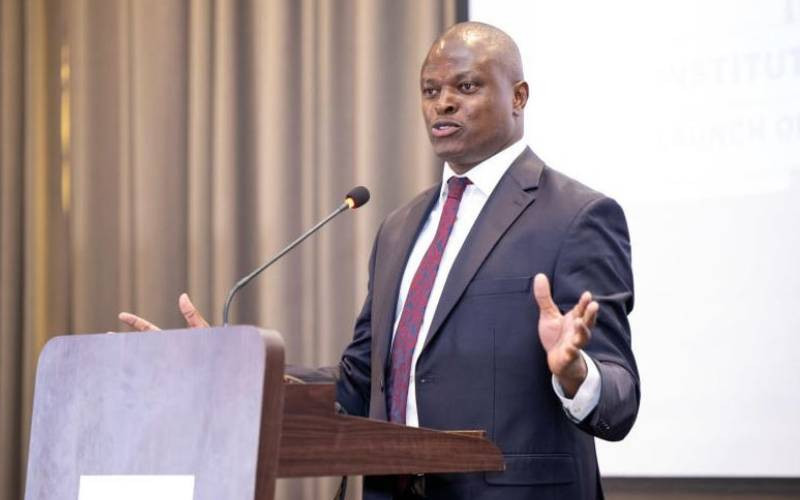
What makes Maraga's arrest particularly significant is not merely the office he once held, but what he represents. As Chief Justice, he headed the Judiciary, the institution entrusted with interpreting and safeguarding the Constitution. In retirement, he has remained a visible participant in public affairs, consistently speaking on matters of governance, constitutionalism and the rule of law. Whether one agrees with his views or not, he has demonstrated a willingness to act on his convictions.
His arrest while participating in what appears to have been a peaceful demonstration creates an image that should give us pause. It raises difficult questions about whether the response was guided by a commitment to uphold the law or by an intolerance of dissenting voices. Granted, no one is above the law. Not even a former Chief Justice. But participation in a peaceful protest is not, in itself, an offence.
The right to assemble, demonstrate and petition was not handed down as a gift. It was won through struggle. We should not be the generation that dishonours that history.
Years from now, future generations may not remember the details of the dispute over Nairobi National Park.
But they may remember something else.
Stay informed. Subscribe to our newsletter
They will remember that there was a time in Kenya when a former Chief Justice stood alongside ordinary citizens to exercise a constitutional right and was arrested for it.
Ms Wekesa is a development communication consultant
Subscribe to our newsletter and stay updated on the latest developments and special offers!


 Prefer the Standard on Google







 join
join