×

The Standard e-Paper
Stay Informed, Even Offline
 The Standard Group Plc is a
multi-media organization with investments in media platforms spanning newspaper
print operations, television, radio broadcasting, digital and online services. The
Standard Group is recognized as a leading multi-media house in Kenya with a key
influence in matters of national and international interest.
The Standard Group Plc is a
multi-media organization with investments in media platforms spanning newspaper
print operations, television, radio broadcasting, digital and online services. The
Standard Group is recognized as a leading multi-media house in Kenya with a key
influence in matters of national and international interest.

Audio By Vocalize
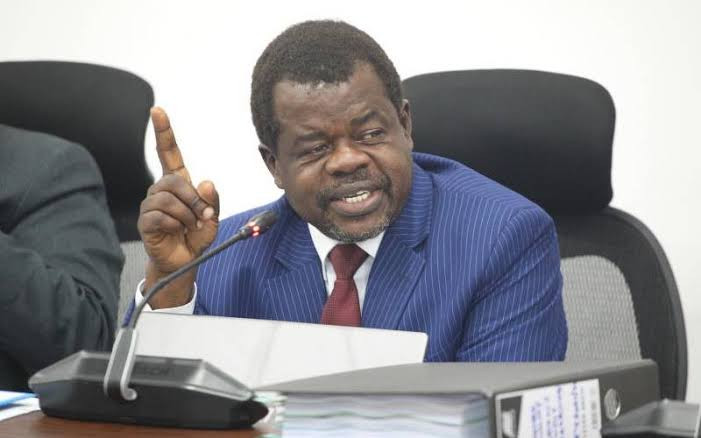
Busia Senator Okiya Omtatah is calling on Parliament, the media, and Kenyans to demand greater accountability over public borrowing.
Omtatah insists that every shilling borrowed in the country’s name must be traceable from approval and disbursement through to the project or expenditure it financed.
He said Kenya must move beyond debates on debt relief and write-offs and instead pursue what he calls “debt justice”, which entails transparency over who authorises borrowing, where borrowed funds are held, how they are spent, and who is held responsible when public money is mismanaged.
“We need debt justice. This money belongs to the people. A government does not own any money,” Omtatah said.
The senator was speaking during the Kenya Editors Guild's (KEG) and International Republican Institute's second institutional dialogue on the role of the media in the oversight and reporting of complex and high-risk public financing instruments.
He argued that public borrowing should have clear parliamentary approval, transparent custody and independent audit.
His remarks come as Kenya’s public debt continues to rise. The National Treasury’s June 2026 Public Debt Bulletin put total public and publicly guaranteed debt at Sh13.12 trillion, equivalent to about 68.5 per cent of GDP.
The latest figures also show continued pressure from domestic borrowing. Central Bank data reported in October put gross domestic debt at Sh7.78 trillion as of September 25, 2026, up from Sh6.84 trillion at the end of 2025.
Treasury bonds accounted for the bulk of domestic debt at Sh6.47 trillion.
Omtatah questioned whether all long-term domestic borrowing has received the level of parliamentary scrutiny required by law, particularly borrowing through instruments such as Treasury bonds. He also raised concerns about the custody and management of external loan proceeds and called for stronger follow-up on reports by oversight institutions.
“Parliament has never approved domestic borrowing. Things like bonds and whatever goes beyond 12 months require Parliament’s sanction,” he said.
The claim concerning the level of parliamentary approval and cumulative borrowing should, however, be checked against parliamentary and Treasury records before being presented as an established fact.
He urged journalists to go beyond reporting headline debt figures and examine how money moves through government.
“If you want to see how money is moving in this country, examine that document,” he said, referring to the Treasury’s monthly statement of Actual Revenue and Net Exchequer Issues, which he said could help journalists track public funds against approved budgets.
Stay informed. Subscribe to our newsletter
KEG President Zubeidah Kananu said the media must make public finance issues understandable to ordinary Kenyans and scrutinise whether the country is getting value for borrowed funds.
She said journalists need reliable and accessible information to establish what the government is committing the country to, why particular financing options are chosen, the risks involved and the eventual cost to taxpayers.
“Every time government borrows, every financing agreement it enters into, and every expenditure committed, the government makes eventually affects somebody,” Kananu said.
The call for greater scrutiny comes against a backdrop of rising debt-service obligations. National Treasury data shows Kenya paid Sh1.72 trillion in domestic and external debt service in the 2024-25 financial year, including both principal repayments and interest.
For businesses, the scale of government borrowing has implications beyond public accounts, particularly because a large share of new financing is being raised domestically. The 2026 Medium-Term Debt Management Strategy targets 84 per cent of gross borrowing from domestic sources over the medium term, with the strategy aimed at lengthening maturities and reducing reliance on short-term Treasury bills.
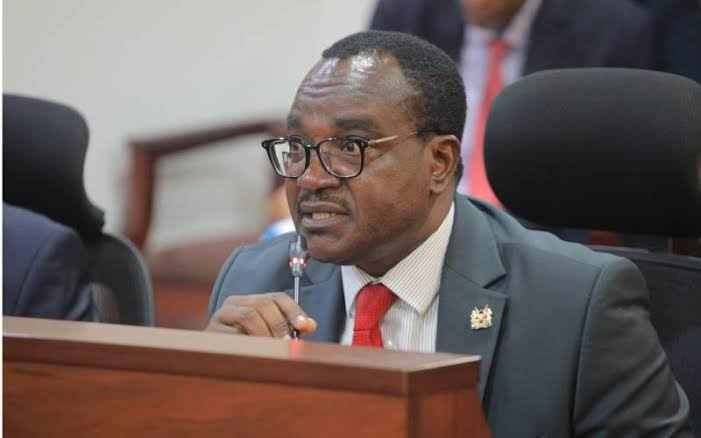
Responding from the public audit perspective, Deputy Auditor-General Edwin Kamar said the Office of the Auditor-General already has a constitutional mandate to scrutinise public finances, including public debt.
The Auditor-General's office says Article 229 requires it to audit public debt and determine whether public money has been applied lawfully and effectively. Its public debt portfolio includes audits covering domestic debt, Eurobond proceeds, commercial loans, debt servicing, external loans and the effectiveness of public debt management.
Subscribe to our newsletter and stay updated on the latest developments and special offers!


 Prefer the Standard on Google







 join
join