×

The Standard e-Paper
Stay Informed, Even Offline
 The Standard Group Plc is a
multi-media organization with investments in media platforms spanning newspaper
print operations, television, radio broadcasting, digital and online services. The
Standard Group is recognized as a leading multi-media house in Kenya with a key
influence in matters of national and international interest.
The Standard Group Plc is a
multi-media organization with investments in media platforms spanning newspaper
print operations, television, radio broadcasting, digital and online services. The
Standard Group is recognized as a leading multi-media house in Kenya with a key
influence in matters of national and international interest.

Audio By Vocalize
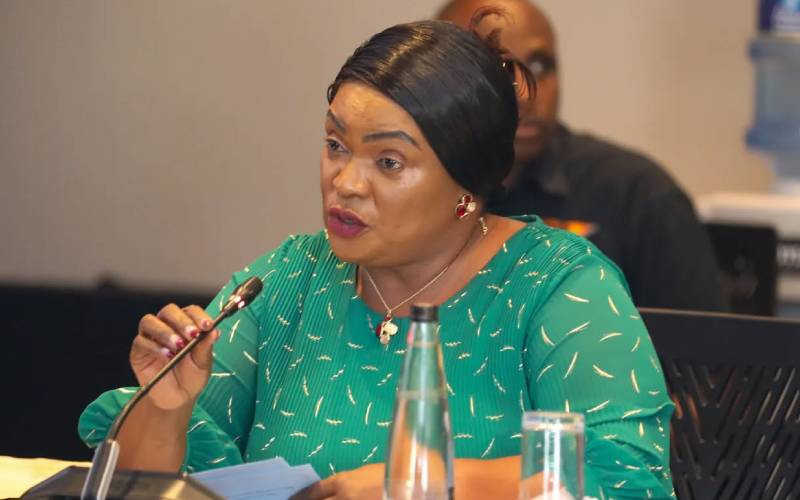
Public Service PS Dr Jane Imbunya Appears Before Senate Labour Committee on June 12, 2026. [Boniface Okendo, Standard]
Teachers are set to emerge as some of the biggest beneficiaries of the government's latest public sector salary review after the Salaries and Remuneration Commission (SRC) approved the implementation of Phase II of the Fourth Remuneration Review Cycle, effective July 1, 2026.
The salary review, announced in a circular dated July 17 and signed by SRC Chairperson Lyn Mengich, affects civil servants serving in the National Government and forms part of the 2025/26–2028/29 remuneration cycle.
While the revised pay structure covers all public officers, the teaching profession stands out due to the wide range of salary adjustments across almost every cadre, from entry-level primary school teachers to chief principals.
"The Salaries and Remuneration Commission has determined and approved the implementation of Phase II of the Fourth Remuneration Review Cycle for the Civil Service in the National Government effective July 1, 2026," Mengich said in the circular addressed to the Principal Secretary for Public Service.
The commission said the new salary scales were arrived at after considering inflation, the country's ability to sustain the public wage bill, labour productivity, affordability, competitiveness within the public service and the need to attract and retain skilled personnel.
For teachers, the revised rates represent a significant boost in earnings.
Entry-level Primary Teacher II officers under Job Group B5 (T-Scale 5) will now earn a basic salary of between Sh32,410 and Sh42,280.
Those stationed in Nairobi will receive a house allowance of Sh6,750, while teachers posted to other regions will receive between Sh3,850 and Sh4,500 depending on their duty station. Together with a commuter allowance of Sh4,000, their gross monthly pay will range between Sh43,160 and Sh53,030.
The salary adjustments extend across the entire teaching profession. Primary Teacher I, Senior Teacher II, Head Teachers, Deputy Head Teachers and Senior Special Needs Education teachers have all been captured under the revised structure.
Secondary school teachers, junior school teachers, senior masters, deputy principals, principals and senior principals will also enjoy higher salaries under the new scales.
Senior educators are among the biggest winners. Teachers serving under T-Scale 14 (D4), including Senior Principals, will now earn basic salaries ranging between Sh120,440 and Sh202,080.
Depending on the county of deployment, they will receive house allowances of between Sh25,000 and Sh50,000, in addition to a commuter allowance of Sh16,000, raising their gross monthly earnings to between Sh186,440 and Sh268,080. Chief Principals under T-Scale 15 (D5) will also benefit from improved remuneration.
Although teachers appear to have received some of the most comprehensive adjustments, the review also benefits the broader civil service.
Officers in the lowest Job Group A3 will earn basic salaries ranging between Sh20,640 and Sh23,710.
Stay informed. Subscribe to our newsletter
They will also receive house allowances of between Sh2,500 and Sh3,750, depending on their duty station, alongside a commuter allowance of Sh3,000, translating to gross earnings of between Sh27,390 and Sh30,460.
At the upper end of the salary structure, officers in Job Group E4 will earn basic salaries ranging from Sh312,085 to Sh576,120.
They will also qualify for house allowances of between Sh70,000 and Sh100,000, in addition to entertainment, domestic servant and extraneous allowances amounting to Sh190,600. In Nairobi, their gross monthly pay will range between Sh602,685 and Sh866,720.
SRC directed that all government institutions implement the revised salaries strictly within approved budgetary allocations, stressing the need for fiscal discipline even as public servants receive higher pay.
The latest review comes at a time when public sector unions have intensified calls for better remuneration to cushion workers against the rising cost of living. Civil servants have repeatedly argued that soaring food prices, higher transport costs, expensive housing and inflation have steadily eroded the value of their salaries over the past two years.
The Fourth Remuneration Review Cycle was introduced to provide predictable and sustainable salary adjustments over four years while ensuring that growth in the public wage bill remains manageable.
The phased implementation allows government to improve employee welfare without placing excessive pressure on public finances.
Subscribe to our newsletter and stay updated on the latest developments and special offers!


 Prefer the Standard on Google








 join
join