×

The Standard e-Paper
Home To Bold Columnists
 The Standard Group Plc is a
multi-media organization with investments in media platforms spanning newspaper
print operations, television, radio broadcasting, digital and online services. The
Standard Group is recognized as a leading multi-media house in Kenya with a key
influence in matters of national and international interest.
The Standard Group Plc is a
multi-media organization with investments in media platforms spanning newspaper
print operations, television, radio broadcasting, digital and online services. The
Standard Group is recognized as a leading multi-media house in Kenya with a key
influence in matters of national and international interest.

Audio By Vocalize

Police arrest protesters at the National Archives in Nairobi on Tuesday during demonstrations against high fuel prices. [Kanyiri Wahito, Standard]
Three protesters were arrested on Tuesday near the Kenya National Archives as police and demonstrators clashed across Nairobi in protests against a recent hike in fuel prices.
The trio chanted anti-government slogans at the foot of the Tom Mboya statue before officers moved in, bundled them into a police van and drove off.
Police set up roadblocks, deployed trucks and erected barricades at different points across the city to manage crowds, as anti-riot units patrolled streets in full combat gear.
Businesses and traffic were largely flowing normally within the central business district.
Nairobi Regional Police Commander Issa Mohammud had earlier warned against unlawful gatherings, citing that organisers had not formally notified his office as required.
Despite the warning, a handful of protesters had gathered around the National Archives by mid-morning.
The demonstrations came days after the Energy and Petroleum Regulatory Authority (EPRA) announced fuel price increases effective April 15, with super petrol rising by Sh28.69 and diesel by Sh40.30 per litre in Nairobi, driven by rising global costs linked to Middle East tensions and a spike in shipping charges.
The government moved quickly to contain the fallout. A day after the hike, EPRA issued a revised pricing order after the National Treasury cut VAT on petroleum products from 16 per cent to 8 per cent, bringing petrol down by Sh9.37 and diesel by Sh10.21 per litre in Nairobi.
But the partial relief did little to cool public anger. Kenyans were still paying Sh19.32 more per litre for petrol and Sh30.09 more for diesel than before the hike took effect, with matatu fare increases already in place.
Public service vehicle operators had adjusted fares following the initial price increase, with traders warning that the higher cost of fuel would inevitably be passed on to consumers.
The protests followed calls from opposition leaders, civil society organisations and Gen Z activists urging Kenyans to take to the streets.
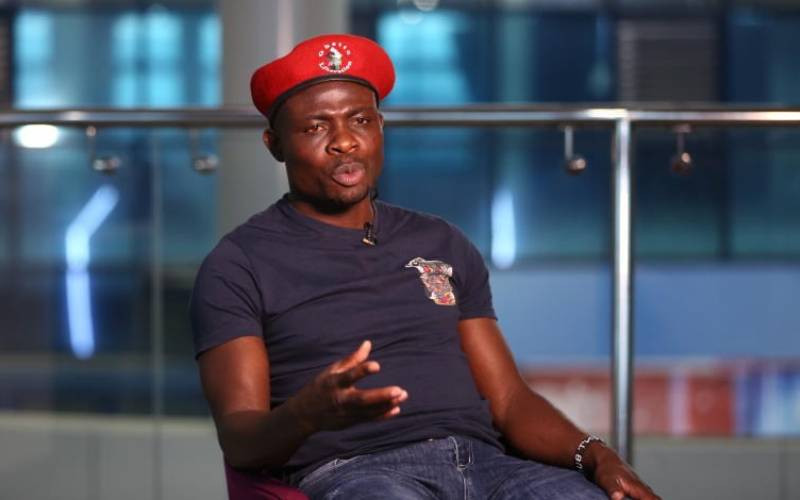
Embakasi East MP Babu Owino had called for nationwide demonstrations, while former Deputy President Rigathi Gachagua issued a seven-day ultimatum demanding a reduction in pump prices, a deadline that lapsed without government action.
Despite the build-up, opposition leaders were yet to be seen in the streets as the protests got underway.
Stay informed. Subscribe to our newsletter
Deputy President Kithure Kindiki cautioned against the demonstrations, arguing that street action cannot lower pump prices and that policy interventions were the appropriate response.

Subscribe to our newsletter and stay updated on the latest developments and special offers!







 join
join