Commuters across the country breathed a sigh of relief on Sunday after matatu operators suspended a nationwide strike that had been scheduled for Monday, February 2, 2026, following consultations between key players in the public transport sector and security agencies.
The planned strike had raised fears of widespread disruption, particularly in major towns where millions of Kenyans rely on public transport to get to work, school and businesses at the start of the week.
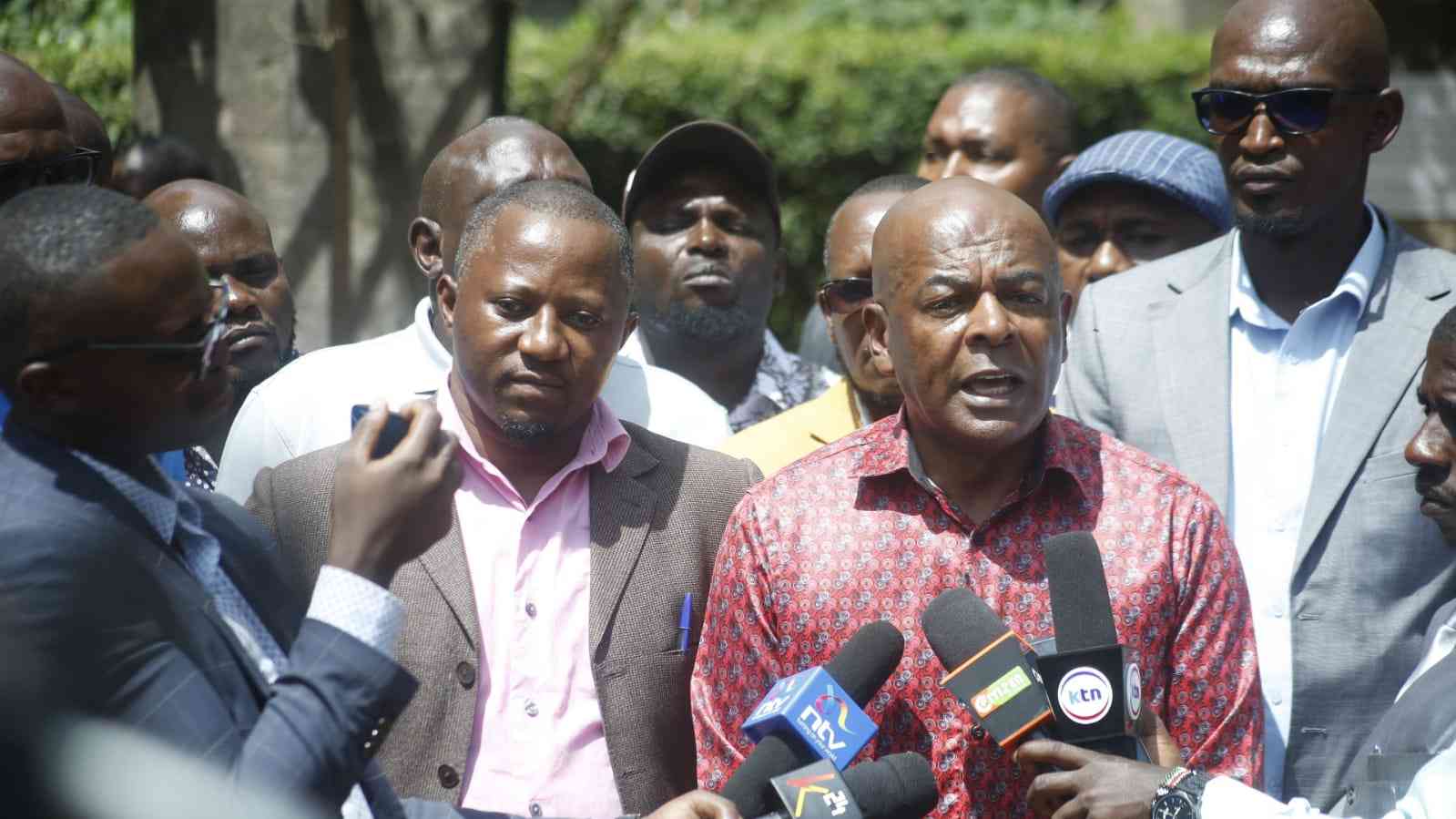
However, the Federation of Public Transport Sector (FPTS) announced that dialogue had prevailed, paving the way for the suspension of the industrial action.
In a statement, the federation said the decision was reached after meetings involving matatu operators, boda boda riders and security agencies, who agreed to halt the strike to allow negotiations to continue.
“As a result of the consultations, it was agreed that the matatu strike scheduled for Monday, February 2, 2026, be suspended to give dialogue a chance,” the federation said.
The suspension means matatu services will operate normally across the country, easing commuter anxiety and preventing economic losses that would have resulted from a transport shutdown.
The threatened strike had been sparked by growing frustrations among public transport operators over an increase in arson incidents by the boda boda riders, harassment by law enforcement officers, punitive traffic enforcement, rising operational costs and what they termed inconsistent implementation of transport regulations.
Last week, matatu associations had warned that the situation had become untenable, accusing authorities of engaging them only during crises while ignoring long-standing grievances affecting the sector.
According to FPTS, the Sunday consultations helped cool tensions and opened the door for broader engagement aimed at finding lasting solutions.
“The federation has scheduled wider consultations to work towards an amicable and sustainable resolution to the issues that prompted the strike notice,” the statement said.
The next phase of talks is expected to bring together a wider range of stakeholders, including representatives of private vehicle owners, freight operators, coach operators, matatu operators, the National Police Service and NTSA.
The expanded discussions will focus on sector-wide concerns, including safety, regulation, enforcement practices and the general stability of the transport industry.
FPTS stated that the inclusive approach was crucial to restoring trust and ensuring the smooth operation of public transport services.
“These discussions are meant to address concerns across the sector and ensure stability, safety, and efficiency within the transport industry,” the federation noted.
While welcoming the suspension, transport analysts say the move is only a temporary reprieve and that failure to address the underlying issues could reignite tensions.
Stay informed. Subscribe to our newsletter
They argue that sustained dialogue, clear regulatory frameworks and consistent enforcement will be key to preventing future disruptions.