×

The Standard e-Paper
Home To Bold Columnists
 The Standard Group Plc is a
multi-media organization with investments in media platforms spanning newspaper
print operations, television, radio broadcasting, digital and online services. The
Standard Group is recognized as a leading multi-media house in Kenya with a key
influence in matters of national and international interest.
The Standard Group Plc is a
multi-media organization with investments in media platforms spanning newspaper
print operations, television, radio broadcasting, digital and online services. The
Standard Group is recognized as a leading multi-media house in Kenya with a key
influence in matters of national and international interest.

Audio By Vocalize
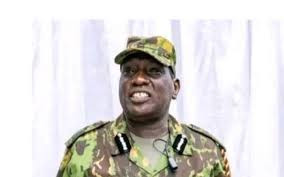
The security breach witnessed during President William Ruto’s public rally in Ganze, Kilifi County, was not just another political incident for social media debates and online humour. It was a serious national security warning that Kenya cannot afford to ignore.
In full public view, a young man broke through security lines, rushed toward the presidential podium, held the President and whispered words into his ear before officers responded. For several seconds, the President stood exposed before a charged public gathering.
Fortunately, the incident ended peacefully. Dr Ruto remained calm and even restrained security officers from rough-handling the individual. Many Kenyans admired the President’s composure under pressure. But leadership composure should never be confused with security preparedness.
The real concern is simple: The intruder reached the President. That alone represents a major operational failure. Presidential security is built on anticipation, prevention, and rapid containment.
Globally, the innermost perimeter around a head of state is treated as a no-breach zone under all circumstances. Once an unauthorised individual penetrates that layer, the system has already failed regardless of the person’s intentions.
Today, it may have been a harmless young man seeking attention or recognition. Tomorrow it could be someone with entirely different motives. That is why professional security agencies are trained never to rely on assumptions about a person’s intentions based on appearance, emotions, or public excitement.
What happened in Ganze also reflects a growing challenge in Kenya’s modern political culture. Public rallies are increasingly becoming highly emotional events where leaders seek direct physical connection with wananchi while crowds push for closeness, selfies, handshakes, and viral moments. Politically, such interactions create powerful imagery. From a security perspective, however, they create dangerous unpredictability.
Kenya has historically maintained one of the most respected presidential protection systems in the region. The country’s elite security formations have protected presidents through difficult political periods, terror threats, and major public events. That reputation was built on discipline, intelligence gathering, crowd control, and strict operational protocols.
However, recent events suggest that presidential public engagements are becoming more vulnerable. The problem is not accessibility itself. In a democracy, citizens appreciate leaders who remain close to the people instead of isolating themselves behind walls and convoys. Public connection is part of leadership. But accessibility must never replace professional security doctrine.
A presidential podium is not an ordinary political stage. It represents the authority of the Republic, constitutional order, and national stability. Presidential security is not a matter of luck.
- Mohamud Mohamed is a political analyst.

Subscribe to our newsletter and stay updated on the latest developments and special offers!







 join
join