×

The Standard e-Paper
Smart Minds Choose Us
 The Standard Group Plc is a
multi-media organization with investments in media platforms spanning newspaper
print operations, television, radio broadcasting, digital and online services. The
Standard Group is recognized as a leading multi-media house in Kenya with a key
influence in matters of national and international interest.

Audio By Vocalize
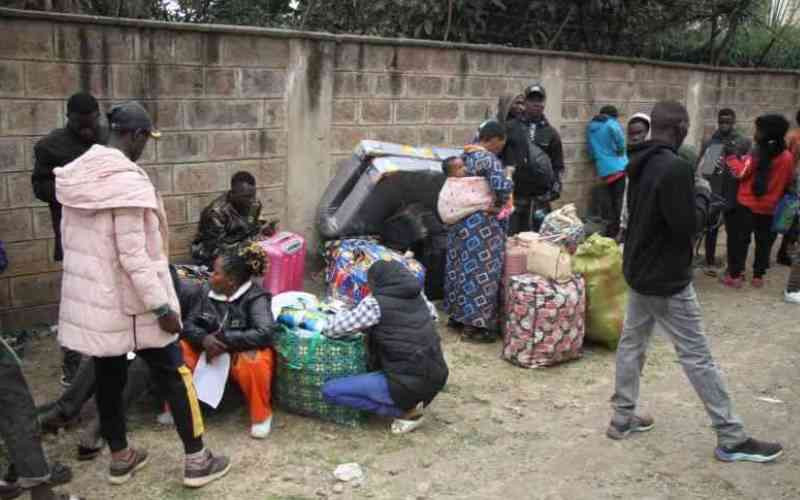
Kenya is recording at least 300 new refugees every day, the majority of whom are minors, increasing the number of children affected by the crisis.
This has put the educational future of these children at risk, with many forced to drop out of school as their parents struggle to survive in various refugee camps.
The influx now threatens to disrupt education, with Kakuma Refugee Camp in Turkana County and Dadaab in Garissa County among the most affected, as refugee numbers continue to rise.
The situation has been compounded by teacher shortages and scarce resources, creating huge disparities and inequalities in access to quality education for thousands of children.
According to Dennis Mutiso, Deputy Director of Girl Child Network Kenya, there are growing concerns over access to quality education for children from conflict-prone countries hosted in Kenya's refugee camps.
Mutiso said the number of children fleeing conflict zones and countries continued to rise, presenting a major challenge to their education.
He said many children risked missing school due to a lack of resources, particularly when government-led resource mobilisation efforts and donor-funded projects ran out of funds.
"The country is registering over 300 refugees each day, especially at Kakuma camp in Turkana and Dadaab in Garissa County, which is posing a challenge for children's access to quality education", said Mutiso.
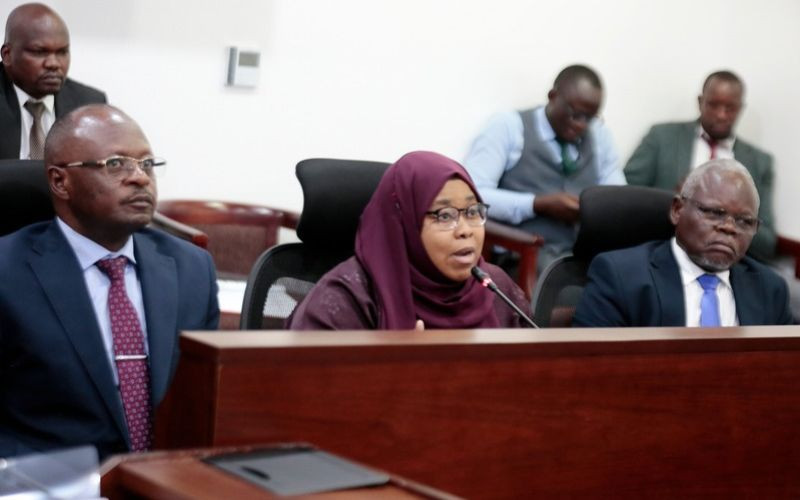
Speaking to the press in Naivasha on the sidelines of an engagement to review the Learning, Equity and Protection for Crisis-Affected Children (LEAD) project, Mutiso said the initiative sought to address growing gaps in access to education for tens of thousands of children.
"Co-Impact funds the project Learning, Equity and Protection for Children Affected by Conflict and aims to make Kenya's public education system work for children affected by conflict", said Mutiso.
He said the project, which targets children aged between four and 17, seeks to address data gaps on affected children and school dropout rates in refugee camps in the two counties.
Mutiso added that the project would address disparities in teacher-to-student ratios, noting that some schools faced severe teacher shortages. It would also push for a sustained government budget allocation for children affected by conflict.
On his part, Hesboners Luke, Head of Programmes at Deaf Empowerment Kenya (DEK), said the country planned to help Garissa and Turkana counties establish sustainable financing for learning institutions to ensure children from needy families remained in school when donor funding ended.
He said many schools in the areas received government support but depended heavily on donor funding. When the funding ended, he added, the schools struggled to maintain their programmes.
Luke said some donors funded only the food component of school programmes. When that support stopped, learners from needy families could no longer attend school.
Stay informed. Subscribe to our newsletter
"We want to strengthen the system so that the government can plan and, even if donors from outside withdraw, learners continue to be fed in their institutions," he said.
He added that the programme would seek better financing mechanisms to enable national and county governments to plan and budget for school feeding programmes.
Luke said some of the challenges included a lack of reliable data to guide budgeting and low teacher retention. Environmental and conflict-related pressures, he said, made it difficult for teachers to remain in the areas for long, disrupting learning.
He called on the government to deploy more teachers to the two counties and allocate adequate resources, adding that teachers should be supported to sustain themselves in the areas and be assured of their security.
Subscribe to our newsletter and stay updated on the latest developments and special offers!


 Prefer the Standard on Google