×

The Standard e-Paper
Fearless, Trusted News
 The Standard Group Plc is a
multi-media organization with investments in media platforms spanning newspaper
print operations, television, radio broadcasting, digital and online services. The
Standard Group is recognized as a leading multi-media house in Kenya with a key
influence in matters of national and international interest.
The Standard Group Plc is a
multi-media organization with investments in media platforms spanning newspaper
print operations, television, radio broadcasting, digital and online services. The
Standard Group is recognized as a leading multi-media house in Kenya with a key
influence in matters of national and international interest.

Audio By Vocalize

When you develop a headache, skin rash or stomach upset, what is the first thing you do? Increasingly, the answer is not to visit a health facility but to reach for a smartphone.
Millions of people now seek health advice from social media platforms, online influencers and more recently, artificial intelligence (AI) chatbots. A recent CNN report highlighted a growing trend in the United States where people are placing as much trust in online personalities and AI-generated advice as they do in healthcare professionals.
AI can explain medical terms, summarise complex conditions, remind patients about medications and answer general health questions in seconds. Social media has also helped raise awareness about diseases that were once poorly understood, including infertility, cancer, diabetes and mental health. These are welcome developments.
The problem arises when information replaces professional medical care. Unlike regulated healthcare professionals, many online influencers have no medical training.
AI chatbots, although remarkably sophisticated, generate responses based on patterns in data. They do not perform physical examinations, interpret body language, appreciate subtle clinical findings or understand the full context of an individual’s medical history.
Incorrect online advice may delay diagnosis, encourage self-medication, promote unnecessary interventions or persuade patients to abandon proven treatments. In medicine, timing often determines outcomes. A delayed diagnosis can have devastating consequences.
In Kenya, health misinformation ranges from miracle herbal cures to exaggerated claims about supplements and vaccines. AI risks amplifying this problem if users accept every response without questioning its source or seeking professional verification.
This does not mean AI should be feared.
Think of AI as a highly knowledgeable assistant. It is excellent at providing information but cannot assume responsibility for diagnosis or treatment. Medicine remains both a science and an art, requiring clinical judgment, experience and human interaction.
Before acting on any health advice found online, ask yourself simple questions: Who is providing this information? Are they qualified? Is the advice supported by credible scientific evidence?
If the answer is uncertain, consult a qualified healthcare professional. No algorithm can replace physical medical interactions tailored to the individual.
Your smartphone can be an excellent source of health information. It should not become your family doctor.
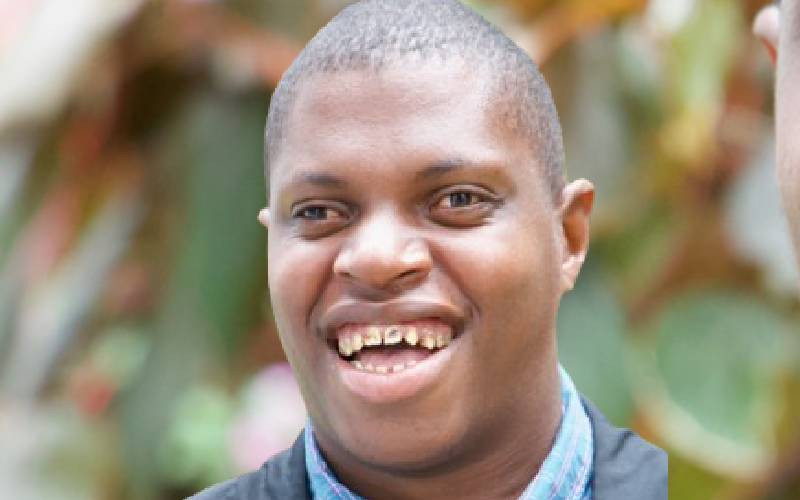
Dr Murage is a Consultant Gynaecologist and Fertility Specialist.
Subscribe to our newsletter and stay updated on the latest developments and special offers!


 Prefer the Standard on Google








 join
join